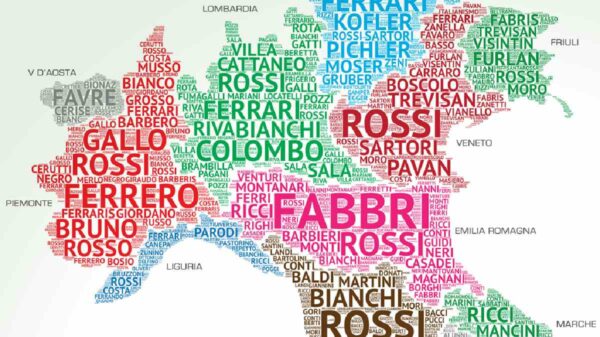




























O sobrenome Rossi é um dos mais comuns na Itália. Assim, existem muitas pessoas com esse sobrenome no Brasil, o país onde ele é mais comum fora da Itália.
Antes de mais nada, vale lembrar que os sobrenomes tiveram origem na necessidade de distinguir as pessoas com o mesmo nome. Conforme as sociedades foram se tornando mais complexas, esses sobrenomes se tornaram fixos e passaram a ser transmitidos para as gerações seguintes.
A natureza de cada sobrenome depende do contexto em que foram criados, ou seja, daquilo que era mais importante em cada época. Nas sociedades que tinham por hábito a caça e a coleta, os indivíduos eram identificados por uma característica ou uma conotação religiosa, por exemplo.
Nas culturas mais tecnicamente estabelecidas, os sobrenomes passaram a ser derivados de ocupações, status social ou local de residência. Eram muito comuns também os sobrenomes derivados do nome do pai, principalmente em sociedades ainda menos desenvolvidas.
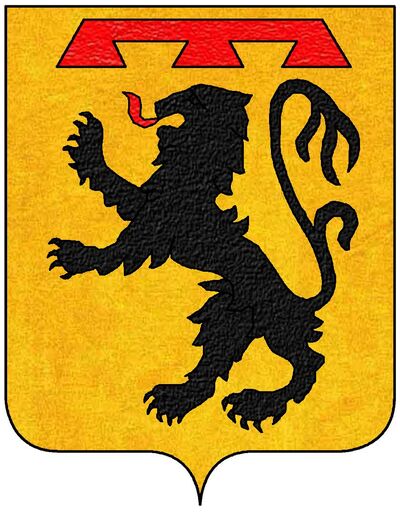
Rossi
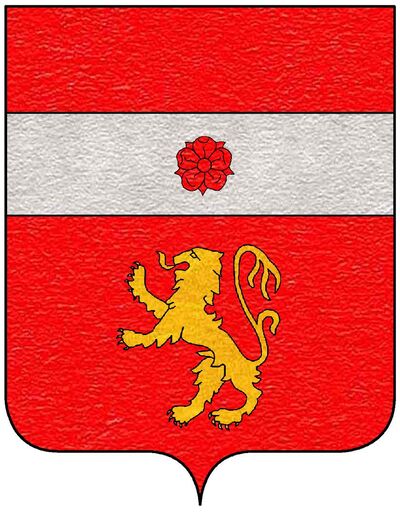
O sobrenome Rossi, com variações como Russo, Del Rossi, De Rossi ou Rossetto, tem origem na palavra rosso, que vem do latim russus, que significa cor vermelha da carne. Outra palavra latina que deu origem a esse sobrenome é rubius ou rubeus, que significa vermelho ou ruivo, uma característica do patriarca da família, provavelmente do cabelo ou da barba.
Existem muitos ramos da família sem ligação uns com os outros. Entre os nobres, o nome Orlando (ou Rolando) “il Rosso” é mencionado em Parma, no ano de 1147. Existem registros desse sobrenome também nos séculos 12 e 13, em Bolonha, Veneza, Florença e Roma.
Brasil
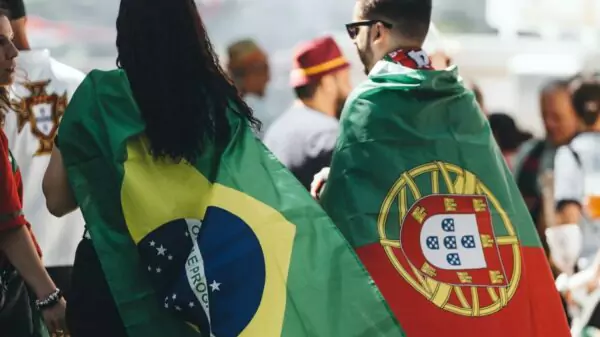
No Brasil, o sobrenome Rossi chegou no final do século 19, quando milhares de imigrantes italianos começaram a desembar no país. No estado do Espírito Santo é o segundo sobrenome mais comum entre os imigrantes da Itália, com 163 integrantes da família tendo chegado entre 1875 e 1950.
O pioneiro foi Virgílio, vindo no navio Rio de Janeiro, que desembarcou em Vitória em 27 de dezembro de 1875, e se dirigiu mais tarde para Santa Leopoldina.
Em São Paulo, entre muitos outros, vale destacar Agostino, que chegou com a família em 1º de junho de 1888. No Rio Grande do Sul, Francesco chegou com a família à Colônia Caxias em 16 de novembro de 1881.
Ocorrências
Segundo o site Forebears, que traz estatísticas de sobrenomes ao redor do planeta, existem 347.288 pessoas com o sobrenome Rossi na Itália. No Brasil, o segundo país onde existem mais pessoas com esse sobrenome no mundo, são 48.986 ocorrências.
Em terceiro lugar vem os Estados Unidos, com 36.975 integrantes da família, seguido pela Argentina, com 34.476 pessoas. Fechando o Top 5 vem a França, com 19.353 pessoas com esse sobrenome.

A grafia original italiana era Rosso, mas foi essa palavra no plural, Rossi, que ganhou o mundo. Antes disso, na Itália, o sobrenome era utilizado tanto por nobres, em regiões como Sicília e Parma, quanto por plebeus. Como é muito comum, vários membros da família se destacaram em diferentes áreas do conhecimento.
Origem
Com relação à origem do nome, ela é incerta, justamente por existirem diferentes grupos que começaram a carregar o sobrenome Rossi na Itália.
Na Renascença, quando os principais Rossi já eram muito poderosos, a teoria corrente dava conta que eles teriam nascido na Grécia Antiga. Ao sobrenome, inclusive, era atribuída uma tradição imemorial e uma origem mítica, com ancestrais como Sísifo, Éolo, o deus Oceano e outras divindades.
Roscio, suposto filho de Sísifo, teria chegado até a Itália e se tornado senhor da Umbria e fundado muitas cidades, entre as quais Rosciolano, a imaginária terra ancestral dos Rossi italianos.

Regiões
O ramo siciliano da família adquiriu muitos títulos e feudos, e exerceu papel destacado na região no século 14. Pesquisas indicam que os Rossi sicilianos descendem de Rabel Tancredi I, que no século 11 era senhor de Cotentin, na Normandia, e fundador da Casa Real siciliana de Altavila.
Dele, teriam nascido vários ramos de grande nobreza, entre eles os Rossi, derivados de Ugone d’Altavilla, parente consanguíneo de Rugiero II da Sicília, e cognominado il Rosso (o Vermelho), apelido que adotou e transmitiu à descendência.
Em Parma, os Rossi seriam descendentes de vassalos do Capítulo da Catedral de Parma. O progenitor deste grupo é Orlando, também cognominado il Rosso, atestado em Parma em 1147. Foi um condottiero de Frederico Barba Ruiva, que o nomeou em 1162 vigário imperial para toda a Itália.
Rossi atualmente
Além dos nobres e senhores dos tempos antigos, a família produziu personalidades em várias áreas até a história recente, como o magistrado e cidadão benemérito Andrea, deputado no parlamento siciliano em 1814, muitas vezes conselheiro provincial.
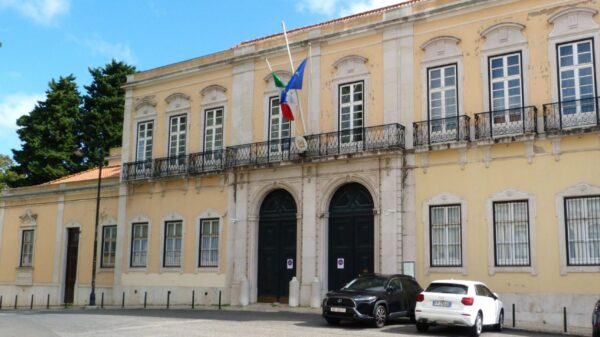
Além disso, vários castelos e villas ligados a essa linhagem ainda sobrevivem, como a Villa Rossi-Martini, em Genova; o Palazzo Scotti-Rossi em Perugia, e a grandiosa Villa e Parque Histórico Rossi de Vicenza. Somente em Canossa, região de Parma, existem três palácios Rossi.

Famosos
Nos tempos atuais, muitas pessoas famosas levam o sobrenome, que ficou famoso na década de 1980 no Brasil por um infortúnio futebolístico. A Seleção Brasileira de futebol foi eliminada pela Itália na Copa do Mundo de 1982 em jogo que terminou com o placar de 3 a 2, com três gols do atacante Paolo Rossi.
O padre Marcelo Rossi, famoso por ter gravado e vendido milhares de discos como cantor e até se apresentado em programas de TV no final da década de 1990, talvez seja a principal celebridade brasileira com esse sobrenome.
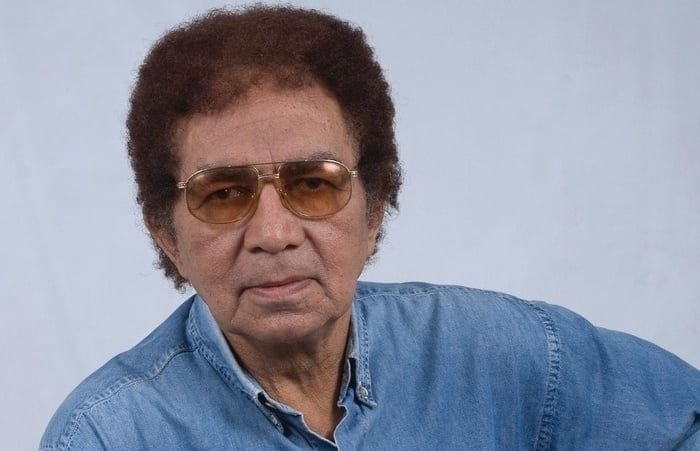
Outro famoso conhecido por esse sobrenome, o cantor pernambucano Reginaldo Rossi, o Rei do Brega, curiosamente foi batizado como Reginaldo Rodrigues dos Santos. Ele adotou o nome artístico de Reginaldo Rossi em homenagem à sua avó, Antônia Rossi.
Variações do sobrenome Rossi
Entre as principais variações do sobrenome Rossi estão as seguintes: De Rossi, Di Rosso, Russo, Di Russo, De Russo, Russa, La Russa, Lorusso, Russi, Ruggiu, Ruju, Rosso, Rossa, Del Rosso, De Rossi, Del Rossi, De Russi, Lo Russo, Larussa, Rosselli, Rossello, Rosselini, Ruggiu, Ruiu, Rubiu, Rossillo, Rossetto, Rossit, Rossini, Rossitti, Rossitto, Rossotto, Russotti, Russello, Russetti, Russino, Russiani, Rossoni, Rossetti, Roussini, Rosselino, Rossato, Della Rossa, DeRossi, De Rubeis e Rosse.
Por Roberto Schiavon/Italianismo