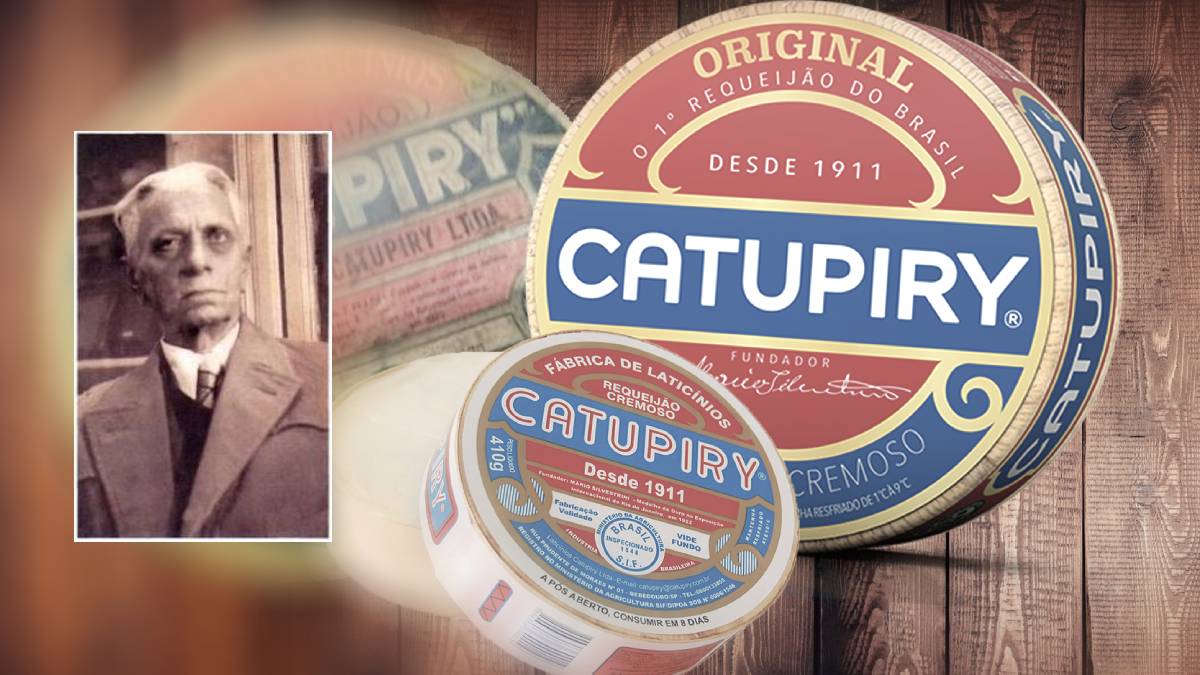
O famoso requeijão cremoso Catupiry foi criado pelos imigrantes italianos Mário e Isaíra Silvestrini. Foi em 1911, no município de Lambari, em Minas Gerais.
A história conta que Mário Silvestrini chegou ao Brasil em 1896, aos 12 anos, vindo da Itália por Gênova. Em 1911, ele já vivia na pequena estância hidromineral de Lambari, no estado de Minas Gerais.

Vale lembrar que naquele início de século o município, que hoje se chama Lambari e tem pouco mais de 20 mil habitantes, tinha o nome de Águas Virtuosas, ou simplesmente Aguinhas.
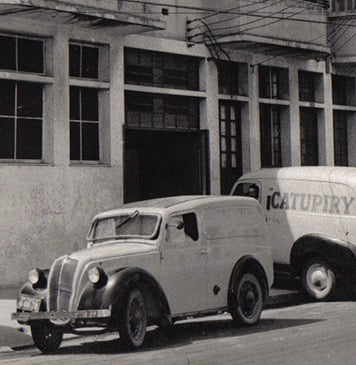
Em Lambari, ou Aguinhas, o imigrante Mario Silvestrini era casado com Isaíra Silvestrini e os dois decidiram iniciar uma pequena fábrica de requeijões artesanais.
Tradição desde a embalagem
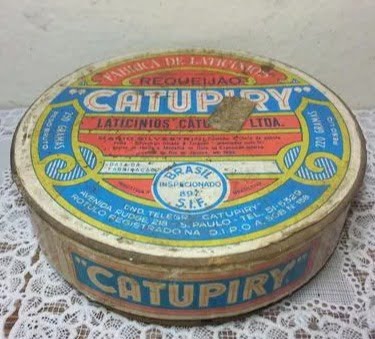
Os requeijões eram produzidos segundo receita de família, quase artesanalmente. Depois de pronto, cada requeijão era embalado em papel celofane e colocado cuidadosamente em pequenas caixas produzidas à mão.
Com o passar dos anos, essas embalagens redondas, feitas com finas folhas de madeira e com rótulo nas cores vermelho, azul e branco, se tornaram verdadeiros objetos de desejo de colecionadores.
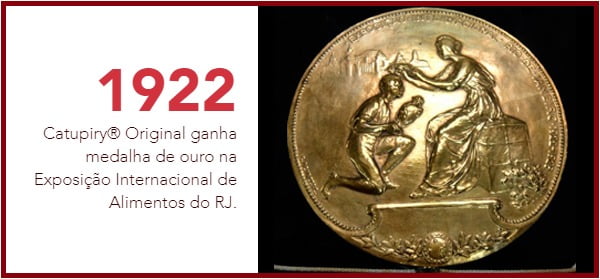
Em 1922, quando já era industrializado na cidade de São Lourenço, o requeijão Catupiry® ganhou seu primeiro prêmio. O produto recebeu a medalha de ouro na Exposição Internacional de Alimentos do Rio de Janeiro.
Em agosto de 1936, a marca Catupiry® foi registrada sob o número 47449. O nome catupiry, em tupi-guarani, significa excelente. Era essa excelência que o casal de imigrantes italianos desejava proporcionar a todos os consumidores do seu produto.
Versatilidade faz catupiry virar paixão
Inicialmente pensado para ser consumido puro ou com pães, torradas e sobremesas, o produto acabou se tornando indispensável em inúmeras receitas, por ser versátil e ter baixo teor de acidez.
Muito rapidamente, o Catupiry passou a ser usado em massas, peixes, aves e despertou a criatividade de donas de casa e chefs brasileiros. Hoje existe uma infinidade de receitas culinárias, doces e salgadas, que utilizam o produto como ingrediente.
A industrialização do requeijão cremoso, que havia começado em São Lourenço, Minas Gerais, passou a ser feita em São Paulo somente em 1949. Essa mudança para o grande centro industrial do país impulsionou definitivamente os negócios.
Em 1973, o Catupiry® ganhou destaque como O requeijão do Brasil no dicionário internacional de queijos, Les Fromages, editado pela Les Editions Larousse.
Estratégia origina pizza de catupiry
Ainda na década de 70, para fugir da crise financeira, a empresa investiu em divulgação, desenvolvendo parcerias ousadas com pizzarias. O responsável por isso foi Armando Alba, funcionário do departamento de vendas da empresa. Ele oferecia o Catupiry, inicialmente de graça, para a pizzaria Livorno, na Avenida Ibirapuera, em São Paulo.
Ao invadir a tradição italiana no Brasil, a estratégia deu origem à Pizza de Catupiry, terceira mais consumida pelos brasileiros. O consumo do produto explodiu. Muitos restaurantes e pizzarias passaram a usar produtos semelhantes e a exibir, nos cardápios, a marca Catupiry, que virou sinônimo de requeijão cremoso.
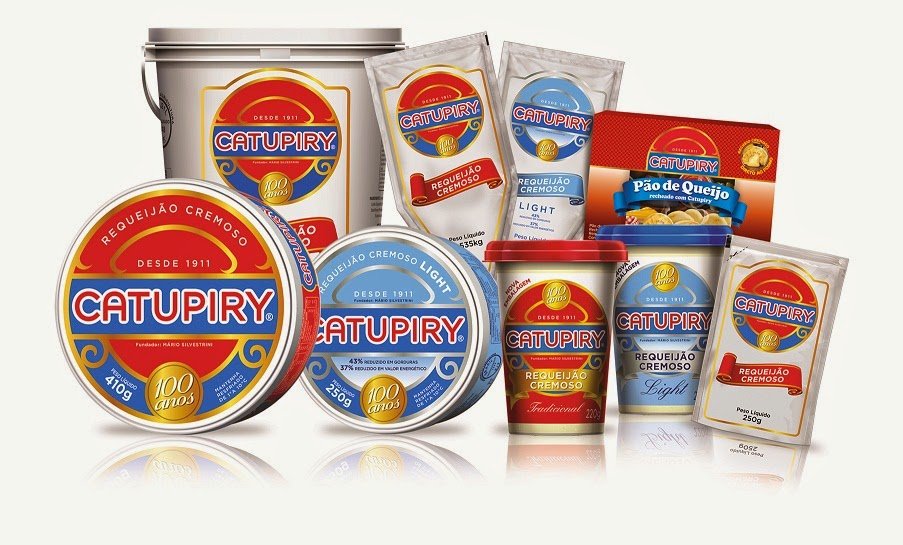
Nas décadas seguintes, a empresa lançou inovações, como o requeijão de copo, em 1985, e os baldes e bisnagas vendidos para pizzarias e outros estabelecimentos comerciais, em 1990.
A primeira loja Delícias Catupiry® foi inaugurada em 2002, no mesmo imóvel da antiga fábrica da marca em São Paulo, no Bom Retiro. O objetivo era oferecer salgados, massas e doces, além de pratos diferenciados no almoço, tudo feito com os produtos Catupiry®.

Empório traz linha com 200 produtos
Em 2018, ao completar 107 anos, a empresa reinaugurou essa primeira loja própria com uma nova proposta e um novo nome: Empório Catupiry.
Além dos requeijões, o espaço conta com uma linha de produtos congelados, lançada em 2017, incluindo pão de queijo, tortinhas, mini kibe, mini coxinha e quiche, entre outros. Ao todo, o portfólio da marca conta com 200 produtos.
A Catupiry produz requeijões e queijos em quatro laticínios. São dois nos municípios paulistas de Bebedouro e Santa Fé do Sul, e os demais em Doverlândia (GO) e Santa Vitória (MG). Hoje, a empresa está nas mãos de seis famílias herdeiras dos Silvestrini.
Simplicidade, tradição e sucesso
O faturamento estimado é de R$ 600 milhões por ano, a empresa tem 650 funcionários e está presente em cinco países, incluindo Estados Unidos, Canadá e Japão.
É uma história que começou lá na estância de Aguinhas, hoje Lambari, em Minas Gerais, onde os italianos Mário e Isaíra resolveram produzir seus requeijões cremosos seguindo receita de família. Hoje a guloseima está na mesa de milhões de famílias brasileiras.
Uma história que não tem hora pra terminar. E tem a cara da força de trabalho dos imigrantes italianos no Brasil.
Por Roberto Schiavon/Italianismo
Newsletter
Últimas do Italianismo
Todo dia, às 18h, um resumo do que aconteceu na Itália direto no seu e-mail.
É gratuito e você cancela quando quiser.