





















A língua italiana abriga mais de 600 palavras de origem árabe. Embora o árabe não tenha influenciado o idioma como o grego ou o francês, seus termos se fixaram ao longo dos séculos. Hoje, fazem parte do vocabulário comum dos italianos — e de quem estuda a língua.
Entre os cerca de 230 mil verbetes do italiano, 23 mil têm origem estrangeira, segundo o Instituto Treccani. Os chamados arabismi chegaram, em sua maioria, por rotas comerciais, especialmente durante a Idade Média.
Veja 11 palavras italianas de uso cotidiano que têm origem no árabe.
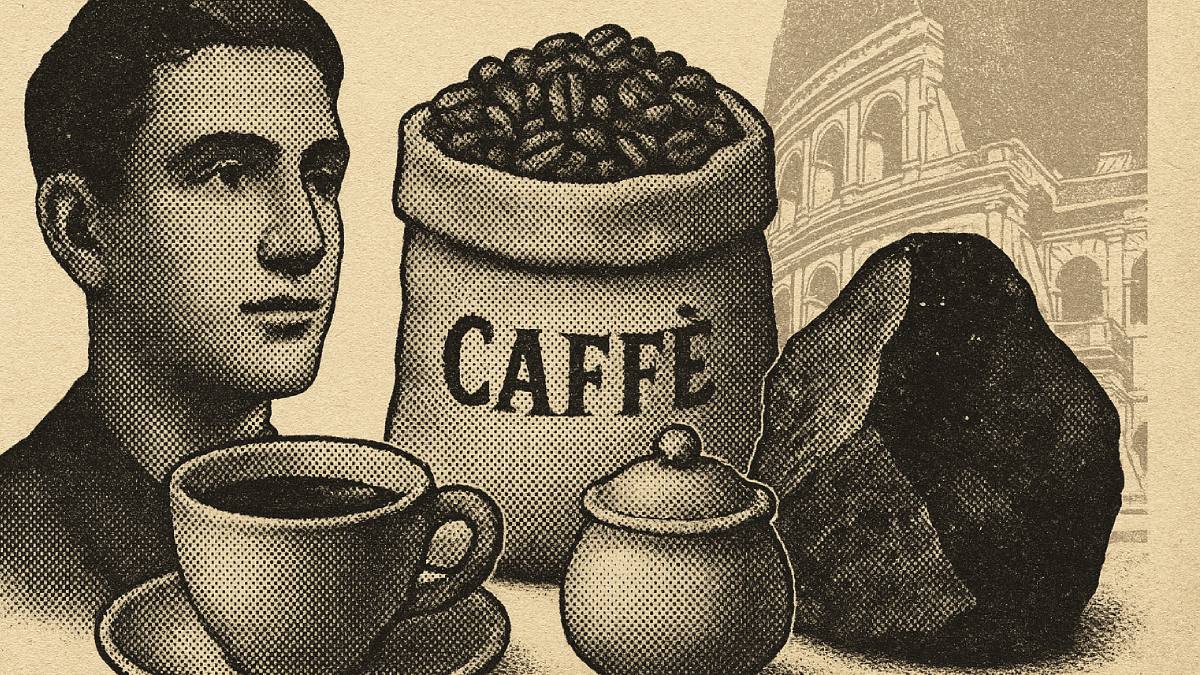
Caffè
A bebida símbolo da Itália tem nome árabe: qahwa. A palavra chegou por meio dos venezianos, no século 16. Em 1750, Veneza já tinha mais de 200 cafeterias, frequentadas por artistas e escritores.
Zucchero
O açúcar entrou na Europa graças aos árabes, que o trouxeram para a Sicília e a Andaluzia. O termo italiano zucchero vem de sukkar, o mesmo que originou o inglês “sugar”.
Tazza
O recipiente para o café também tem origem árabe. A palavra tazza deriva de ṭāsa, que significa “tigela” ou “recipiente arredondado”.
Azzurro
A cor usada pela seleção italiana vem de lāzaward, termo árabe para o lápis-lazúli (ou lazulita), pedra azul extraída no atual Afeganistão. O termo deu origem também ao francês azur e ao espanhol azul.

Ragazzo
O termo ragazzo, usado para “jovem” ou “garoto”, vem de raqqa sò, que significava “mensageiro” em regiões do norte da África. Passou ao latim tardio como ragazium antes de virar italiano.
Alcol
Embora os italianos produzam vinho há milênios, a palavra alcol vem do árabe kohl, que designava um pó fino usado para maquiagem. Com o tempo, passou a significar “essência obtida por destilação”.
Magazzino
A palavra italiana para armazém, magazzino, vem de maḵāzin, que quer dizer “depósito” ou “estoque”.
Albicocca
A palavra albicocca, usada para “damasco”, vem de al-barqūq, que significa “ameixa” em árabe. A fruta é típica dos verões italianos.
Giubbotto
Giubbotto, ou jaqueta, deriva de giubba, forma antiga influenciada pelo árabe jubba, uma túnica tradicional masculina citada inclusive no Hadith islâmico.
Divano
O confortável divano também é herança árabe. Dīwān era o nome dado a escritórios administrativos no Império Otomano, onde escribas trabalhavam sentados em almofadas.
Meschino
O adjetivo meschino tem origem no árabe miskīn, que significa “pobre”. Hoje, é usado com o sentido de “mesquinho”, seja para descrever um salário baixo ou um comportamento desprezível.