
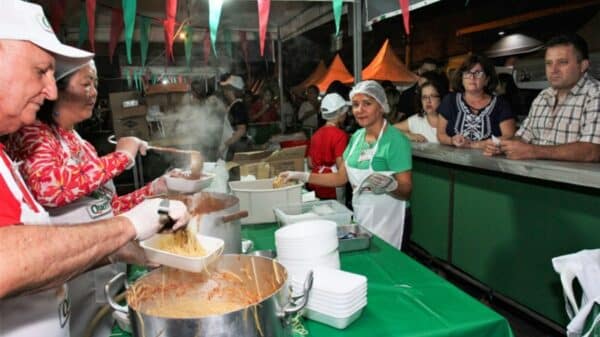













The true "gold of São Paulo" was never solely found in the coffers of the capital. It sprang from the land and the gears of the factories in the interior, driven by an Italian obsession with work and family succession.
Looking at the state's economic map, we realize that... Italian DNA He not only founded bakeries; he built titans that today rank among the largest exporters on the planet.

The global orange throne: the Cutrale dynasty
If you drink a glass of orange juice in London, New York, or Beijing, there's a 30% chance it came from Araraquara.
Founded by José Cutrale, Cutrale It is the biggest example of "vertical integration" in Brazil.
They control everything from seedlings and farms to refrigerated cargo ships that cross the Atlantic.
Under the leadership of the third generation, the company is a discreet powerhouse that has acquired global giants (such as the American Chiquita Brands), proving that the interior of São Paulo is the chessboard where the global commodities market is played.
The resilience of the Lupo family
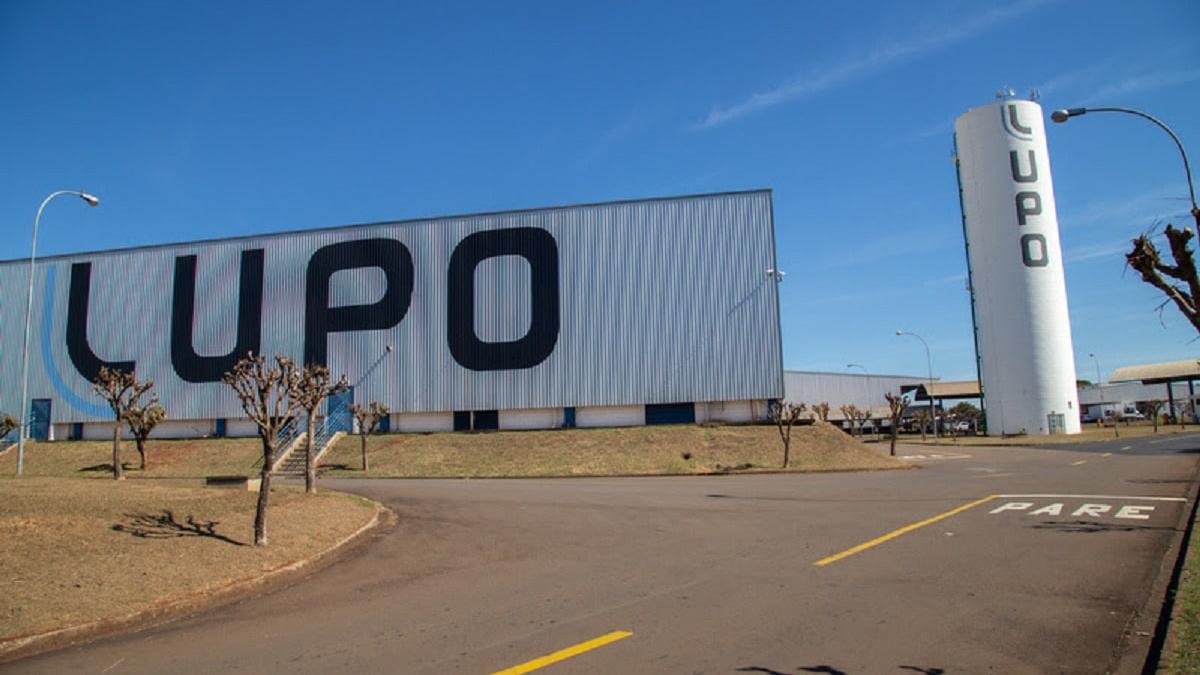
While many textile industries have succumbed to Asian competition, the Wolf — also based in Araraquara — has become a retail and technology phenomenon.
Founded in 1921 by Henrique LupoThe brand is now a giant under the leadership of Liliana AufieroShe transformed her grandfather's sock factory into a smart fabric empire (Lupo Sport) that owns hundreds of its own stores.
Lupo is a living example of "dinner table management": long-term decisions made by a family that refuses to abandon its roots in the countryside.
The power of machines: Dedini and the world's sugar industry.
In Piracicaba, the last name Dedini It is synonymous with the Industrial Revolution.. What Mario Dedini It started as a repair shop for sugar mill machinery and has become the largest capital goods complex in the sector worldwide.
Without the technology developed by the Italians in Piracicaba, Brazil would not be the global leader in bioenergy and ethanol. In 2026, Dedini continues to be the backbone of the plants that power the country's vehicle fleet.
The big lesson these brands leave us with in 2026 is that the model of Italian family management — so often criticized by modern consultants — has proven to be the most resilient in Brazil.
Unlike investment funds that seek quick profits, Lupo, Cutrale, and Dedini plan for the coming decades.
They transformed the interior of São Paulo into an empire that doesn't depend on Faria Lima to shine.
After all, as the saying goes among businessmen in Araraquara: "The money in the capital is made of paper; the money in the interior is made of land, steel, and sweat."
FOLLOW ITALIANISM