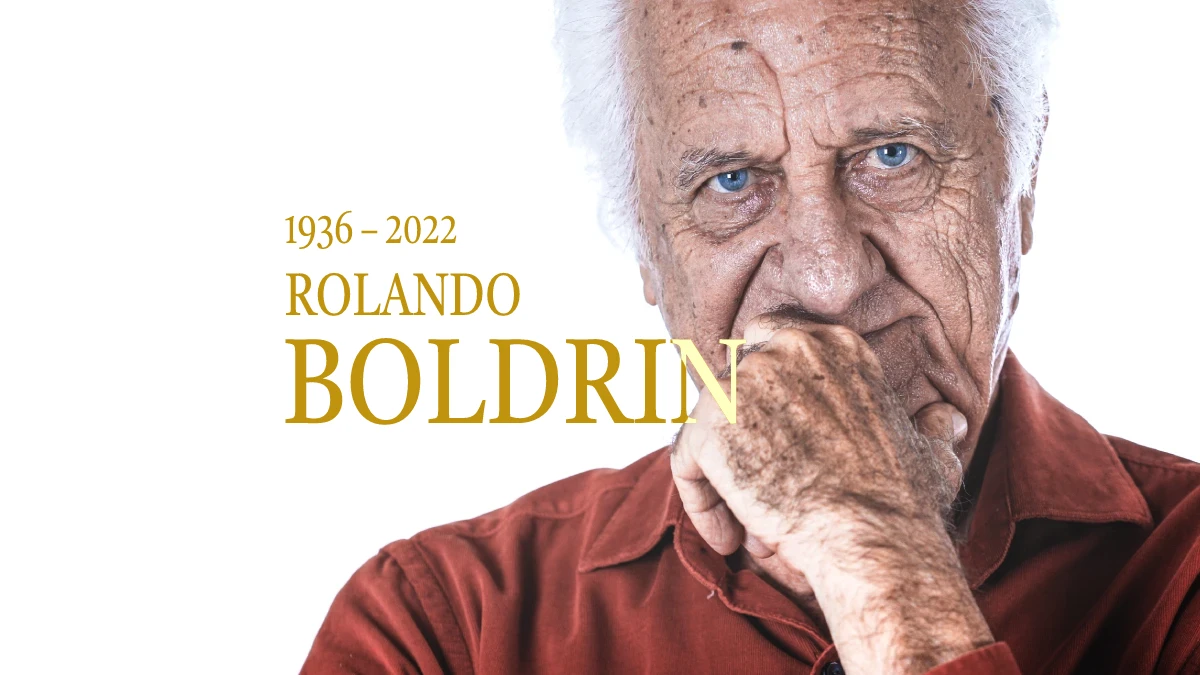
Rolando Boldrin, ator, escritor, compositor e símbolo da divulgação da cultura popular brasileira, morreu em 9 de novembro de 2022 em São Paulo. Além do legado deixado para as gerações futuras, Boldrin estabeleceu mais uma trajetória de sucesso de ítalo-brasileiros no país.
O sobrenome Boldrin tem origem na região italiana do Vêneto, mais precisamente na província de Veneza. É um nome de família classificado como patronímico, pois deriva do nome da primeira pessoa que o utilizou.
É derivado do termo Boldrinus, que deu origem a vários nomes com terminação boldo ou poldo (Uboldo, Leopoldo), todos de raiz germânica. O nome germânico Ubald, que significa “bravo, corajoso”, remonta ao fim dos anos 1300 com Boldrino de Panicale, famoso capitão de ventura.
Esse sobrenome possui variantes como Boldrini, Baldari e Baldorini, também com origem no Vêneto e com diferentes significados. Por exemplo, Baldari e Baldorini significam “Chefe do Exército”.
Popularidade
O site italiano Cognomix registra aproximadamente 1307 famílias Boldrin na Itália, sendo as regiões com maior presença Vêneto, com 965 famílias, seguida da Lombardia (135) e da região do Piemonte (81).
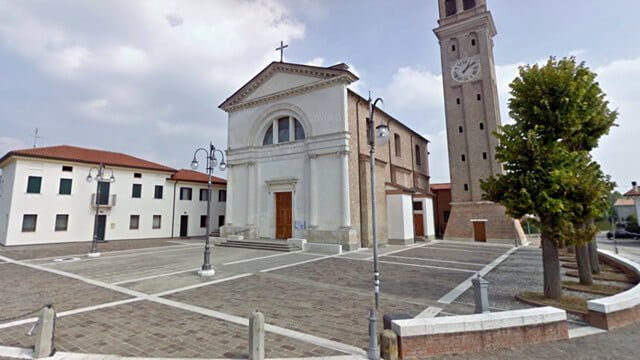
O sobrenome Boldrin é o 205º em popularidade no Veneto, o 70º mais popular na província de Veneza e o terceiro sobrenome mais comum na cidade de Campolongo Maggiore, localizada em Veneza.
Trajetória de Rolando Boldrin
Rolando Boldrin nasceu na cidade de São Joaquim da Barra, interior de São Paulo, em 22 de outubro de 1936. Era o sétimo filho de uma família de origem italiana de 12 irmãos, encabeçada pelos pais Amadeu e Alzira.
Desde pequeno tocava viola, mas se considerava essencialmente um ator. Em entrevista ao “Coleção Aplauso”, projeto da Imprensa Oficial de São Paulo sobre grandes nomes da cultura brasileira, falou sobre suas raízes italianas.
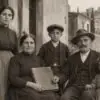
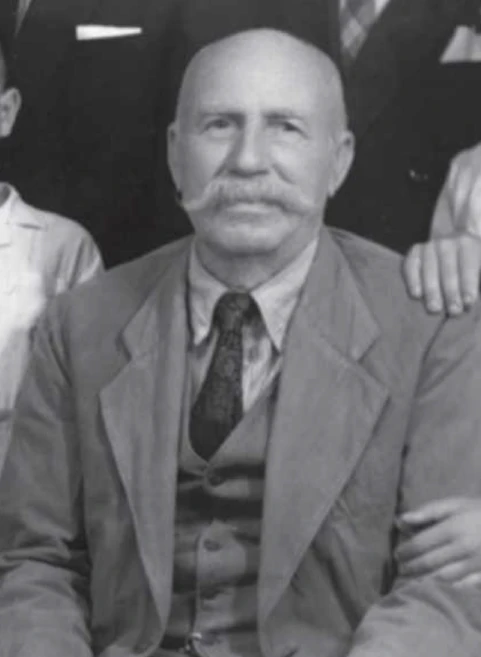
“Meus avós eram imigrantes italianos. Conheci meu avô, o Marião, Mario Boldrin, natural de Merlara, Padova, pertinho de Veneza. Lá tem Boldrin como praga, é como Silva aqui. Era um homem alegre, mas não tinha nada de artista, esse meu lado veio desabrochando naturalmente, de uma forma até emocional”, declarou.
A cultura caipira
Sobre o amor pela cultura caipira, disse que descobriu essa vocação ainda criança no interior de São Paulo, quando passou a registrar na memória a vida simples dos boiadeiros que chegavam à cidade, a poeira das calçadas, o dono do boteco e o jeito rústico de se viver a vida.
“Tudo que me chamava atenção, eu registrava. Isso foi caminhando comigo, essa forma de ir registrando o que acontecia, os tipos, o jeito dos brasileiros, principalmente. Digo que era o ator que já existia em mim e que acabou desabrochando por meio da televisão em 1958, depois no teatro e no cinema”, disse Rolando Boldrin.
A música de Rolando Boldrin
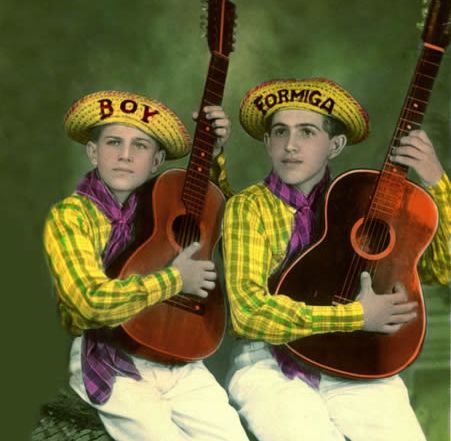
Em 1947, com apenas 11 anos, Rolando Boldrin formou a dupla Boy e Formiga com um de seus irmãos. Apaixonado desde cedo por nomes da música sertaneja tradicional, como Tonico & Tinoco e Cornélio Pires, ele queria compartilhar o Brasil interiorano por meio da arte.
Aos 16 anos, incentivado pelo pai, Rolando Boldrin foi para a capital paulista de carona em um caminhão. Antes de emplacar na carreira de cantor, foi sapateiro, frentista, carregador, garçom e ajudante de farmacêutico. Aos dezoito anos prestou serviço militar no Exército, em Quitaúna. Nos anos seguintes, passou a se dedicar somente à atividade musical.
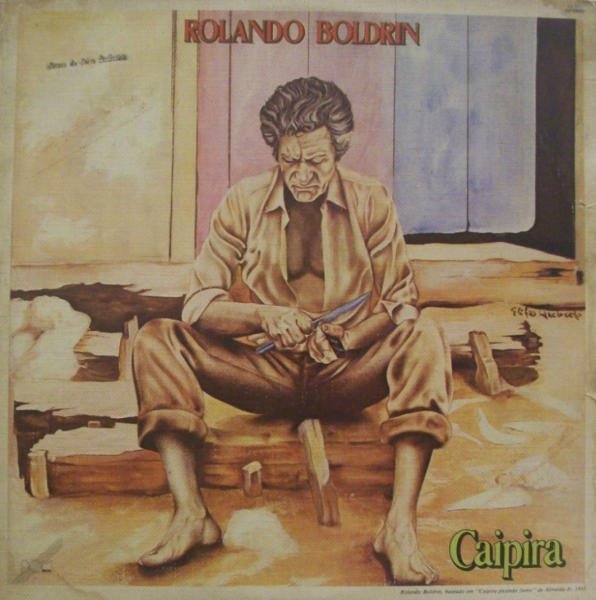
Ele debutou na música em 1960, como convidado no disco de sua futura esposa, que se tornou sua produtora, Lurdinha Pereira. Em 1974 lançou seu primeiro disco solo, “O Cantadô”, pela gravadora Continental.
O ator Rolando Boldrin
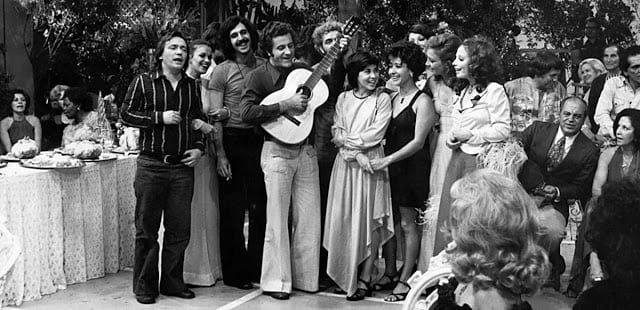
Rolando Boldrin também teve grande experiência como ator de teleteatro da TV Tupi, entre o final da década de 1950 e início da de 1960, ao lado de nomes como Lima Duarte, Laura Cardoso e Dionísio Azevedo. O livro “A TV antes do VT” mostra várias de suas passagens na emissora, em fotos das gravações dos programas da TV Tupi, quando não havia videoteipe.
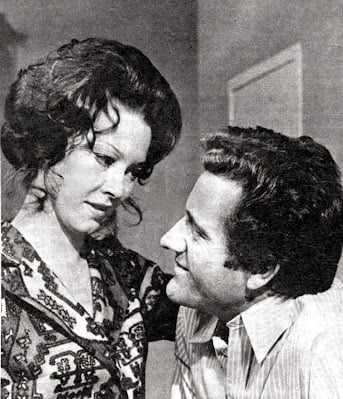
Entre as décadas de 1960 e 1980, Boldrin atuou em aproximadamente 30 novelas das emissoras Record, Tupi e Bandeirantes.
Divulgador da cultura brasileira
Na década de 1980, passou a apresentar programas de televisão, como Som Brasil (TV Globo), Empório Brasileiro (TV Bandeirantes) e Empório Brasil (SBT). Seu último trabalho como apresentador foi o programa Sr. Brasil, pela TV Cultura de São Paulo.
Nesses programas, Rolando Boldrin aproveitava o espaço para divulgar a música sertaneja raiz, muitas vezes levando para públicos maiores artistas que nunca tiveram oportunidade de mostrar seu trabalho, além de interagir com nomes consagrados.
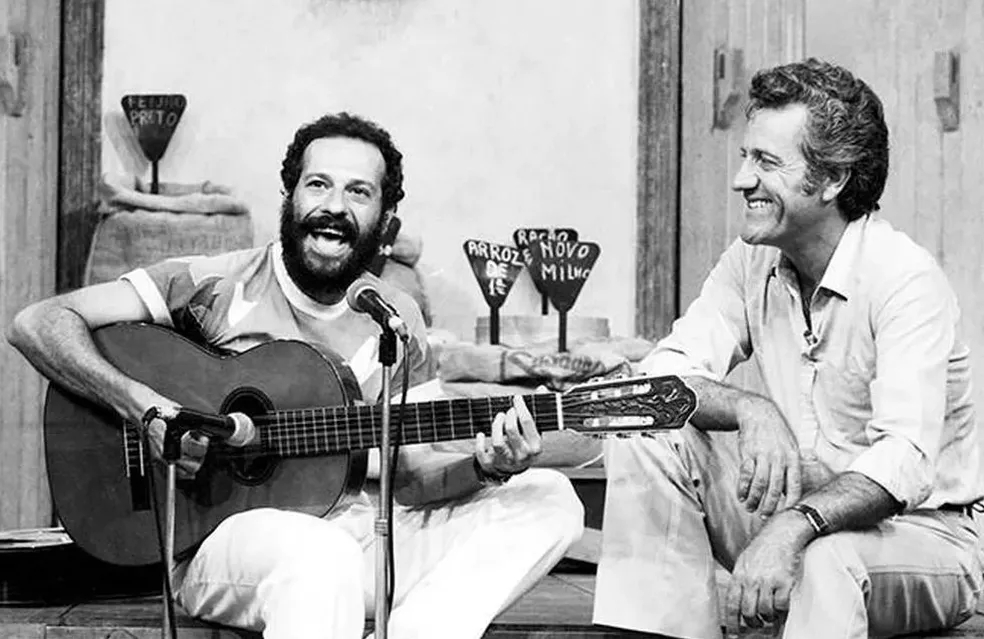
Foi na televisão também que se consagrou como contador de “causos”, histórias que podia ser bem humoradas ou tristes, mas sempre cheias de poesia, narradas com sua voz profunda e ricamente expressiva, sobre a vida no campo e as desventuras do homem caipira. Além disso, Rolando Boldrin cantava, dançava, exibia peças teatrais e pequenos documentários.
Após deixar o Som Brasil da TV Globo em 1984, ele levou esse formato que o consagrou para todos os outros programas de televisão que comandou.
Premiações e homenagens
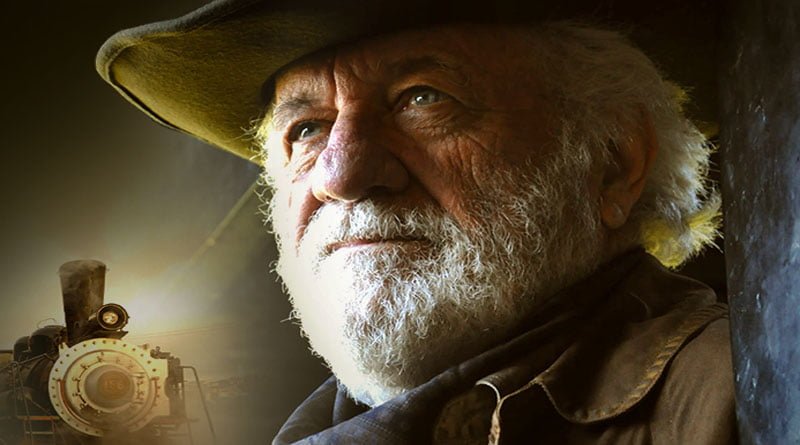
Rolando Boldrin recebeu o prêmio de melhor ator coadjuvante no Festival de Cinema de Brasília, por sua atuação como Pedro Melo, em O Tronco (1990), filme baseado no romance homônimo do escritor goiano Bernardo Élis.
Em 2010 foi tema do desfile da escola de samba Pérola Negra, no carnaval de São Paulo, com o enredo “Vamos tirar o Brasil da gaveta”, tendo como ponto central o empenho de Boldrin em ressaltar a cultura nacional.
Em 2022, a TV Cultura homenageou o ator pelos seus 85 anos de vida com a exibição do documentário “Eu, A Viola e Deus”, dirigido por João Batista de Andrade.
Despedida de Rolando Boldrin
Rolando Boldrin morreu no dia 9 de novembro, aos 86 anos, em decorrência de insuficiência respiratória e renal, deixando uma vida de trabalhos realizados durante sua trajetória artística exemplar.
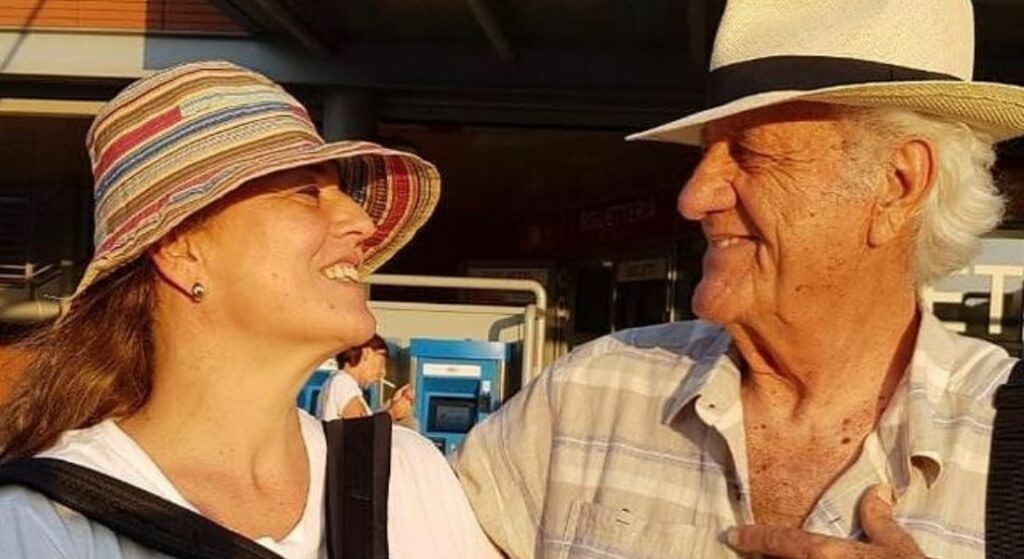
O velório foi realizado na Assembleia Legislativa de São Paulo e o sepultamento no Cemitério Gethsêmani, na capital paulista. Era casado com a produtora e cenógrafa Patricia Maia Boldrin e deixou a filha Vera Boldrin, fruto de seu primeiro casamento.
O artista recebeu diversas homenagens de seus colegas e de seu público e entrou definitivamente para a prateleira de lendas da cultura popular brasileira.
Newsletter
Últimas do Italianismo
Todo dia, às 18h, um resumo do que aconteceu na Itália direto no seu e-mail.
É gratuito e você cancela quando quiser.