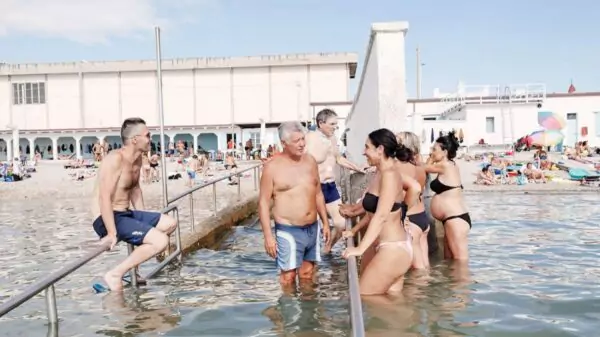











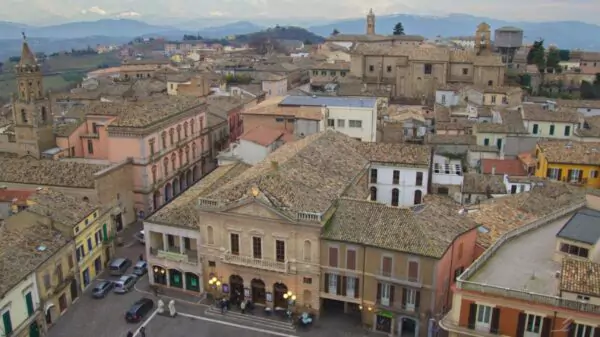
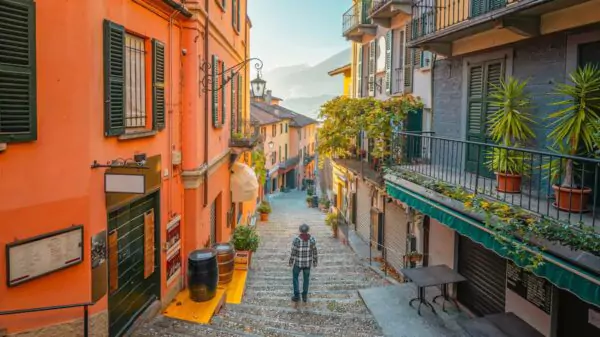


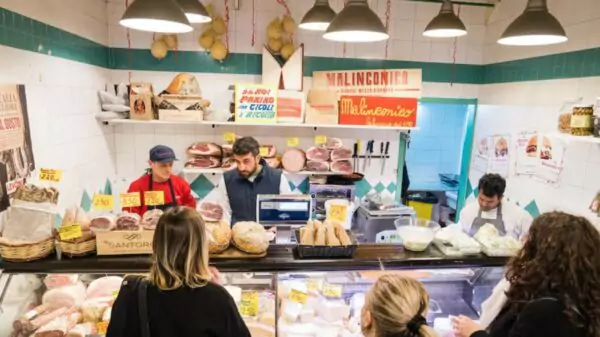


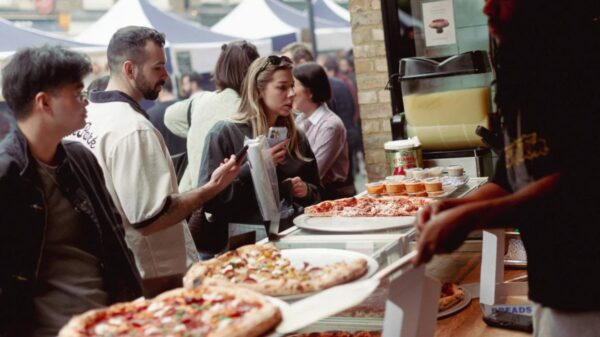

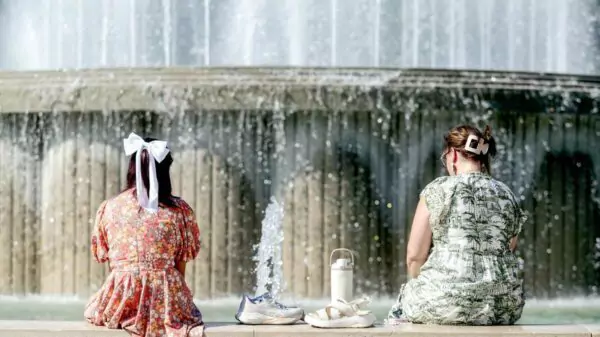




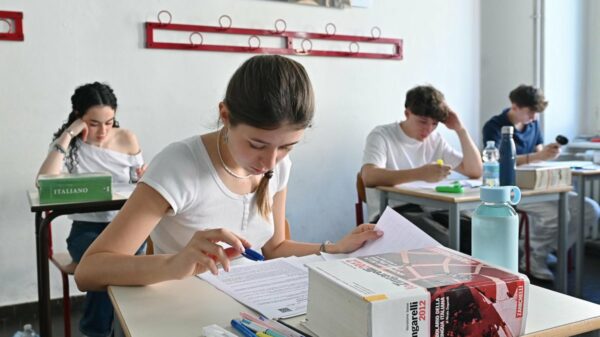
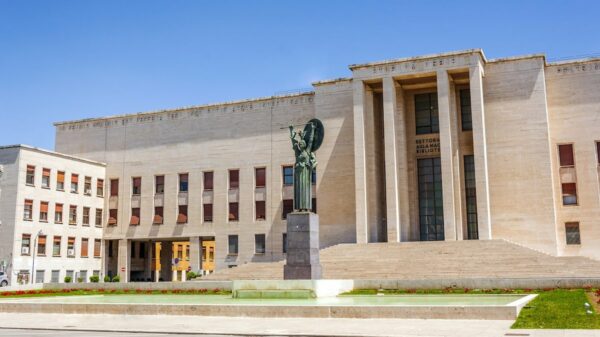
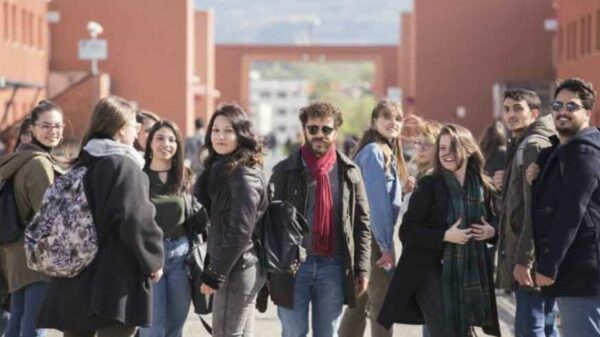
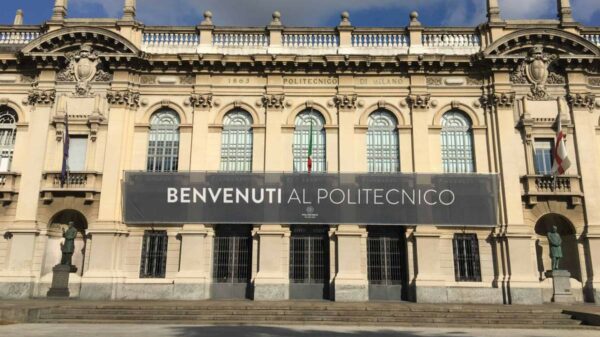
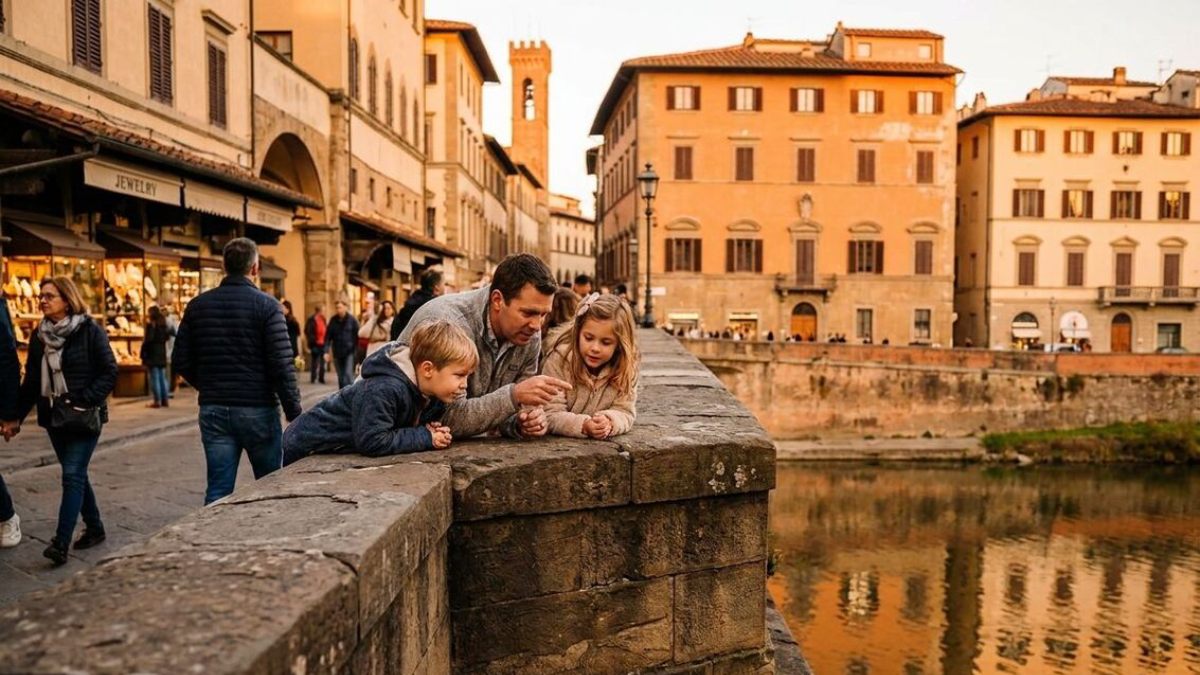
Trieste It's the best Italian city for seniors. Bolzano It leads for young people between 18 and 35 years old. Florença tops the ranking for children.
The data comes from the newspaper's new annual survey. Il Sole 24 Ore on quality of life, presented at the Trento Economics Festival, which this year introduces unprecedented indicators, including the strength of social relationships and the so-called "15-minute city": the possibility of accessing shops, pharmacies and recreational services on foot in just a few minutes.
The best cities in Italy by age group in 2026.
Source: Il Sole 24 Ore / Festival dell'Economia di Trento 2026
The research confirms a consolidated geographical division: northern and part of central Italy concentrate the best positions, while the south systematically occupies the last places. Trapani closes the ranking for children, Taranto for young people, and Vibo Valentia for the elderly.
What do the new indicators measure?
The 2026 edition of the survey expands the concept of well-being beyond employment and income. The evaluation includes the presence of family and friendship networks in the area, the proximity of essential services, and the perception of safety. The logic is simple: in a rapidly aging country with a growing number of people living alone, having someone close by—a relative, a friend, a neighbor—has become as relevant a well-being infrastructure as a higher salary.
ISTAT's projections for the period between 2024 and 2034 reinforce this interpretation: a sharp drop in the number of children, very weak growth in the youth population—especially in the south—and an increase of about 20% in the population over 65 years of age.
Rankings by age group
For seniors, the podium is made up of Trieste, Trento and Milan. For young people, Bolzano Florence leads the ranking, followed by Trento and Gorizia. In the children's ranking, Florence is first, followed by Milan and Aosta.
The presence of Trento on two of the three podiums and Milan in two rankings reinforces the importance of the north in the distribution of urban well-being in Italy.
More jobs, more vulnerability.
Research points to contradictory signs in the Italian economy. On the one hand, there is an increase in stable employment contracts and a decrease in youth unemployment. On the other hand, the burden of rent on family income is growing, as is the consumption of antidepressants and the number of people living alone. Post-pandemic school performance is also a concern: INVALSI tests show that reading and math skills have not yet recovered to pre-Covid levels.
The new measure of well-being
The central conclusion of the research is that quality of life in Italy is increasingly measured less by the wealth produced and more by the concrete sustainability of daily life—available time, proximity to services, perceived safety, and social relationships. This transformation also changes the way Italian cities are perceived and deepens the gap between areas that attract population and opportunities and others that continue to slowly empty out.