



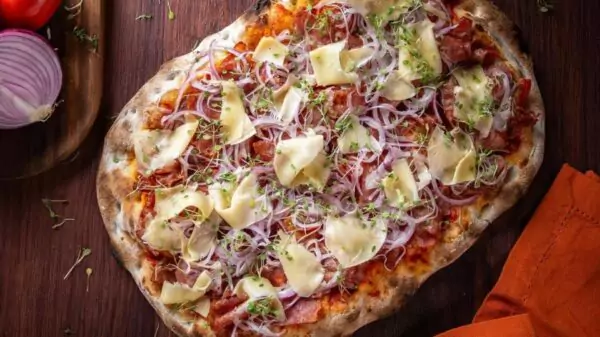










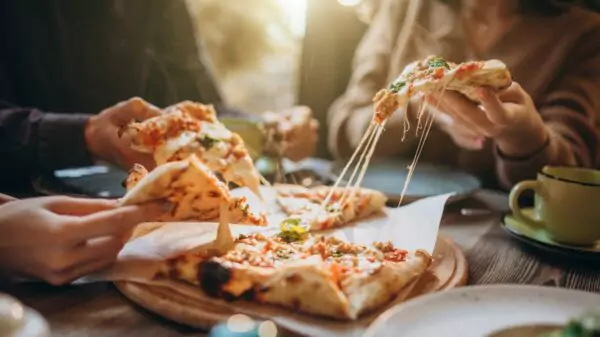

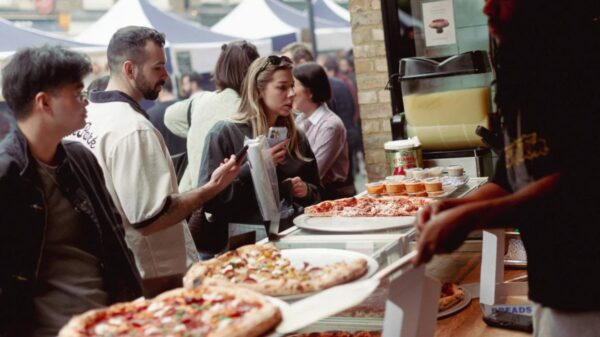










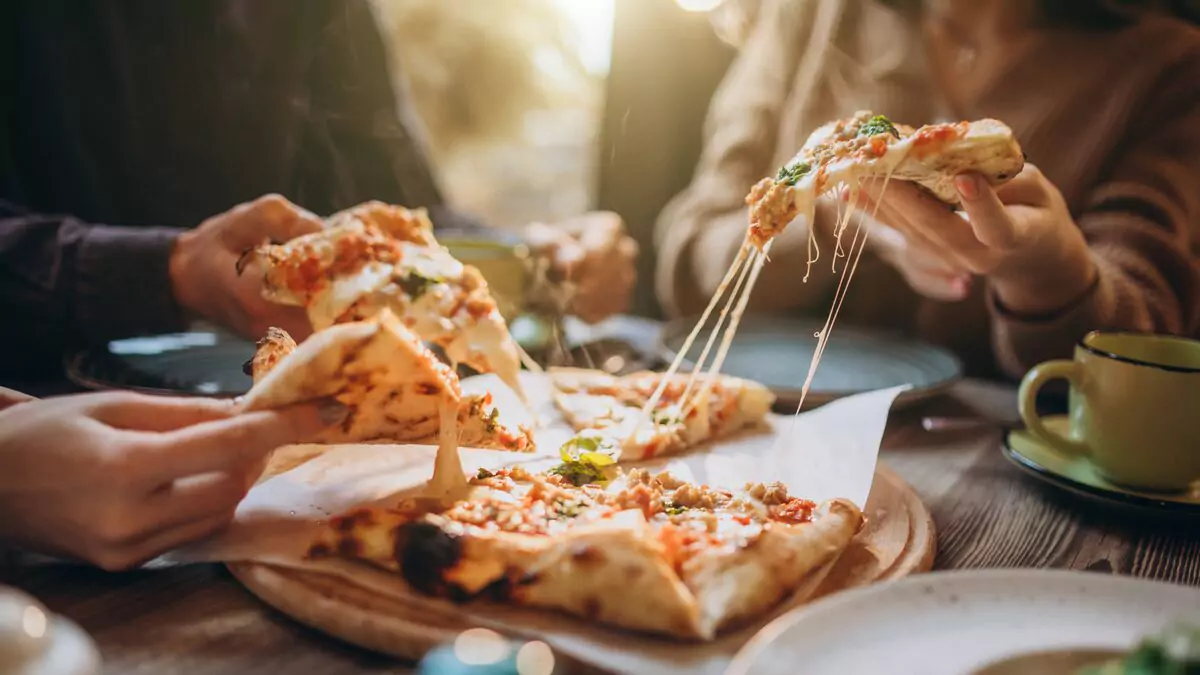
Brazil celebrates Pizza Day this Friday (10) as the second largest consumer of the dish in the world, behind only the United States. There are more than 160.000 pizzerias in the country, which sell around 200 million units per month.
The dish has become popular, but it has differences compared to... traditional Italian versionIn Brazil, pizza has become a meal to share with family or friends, almost always at night. In Italy, it's more common to eat it individually, even at lunch.
The dough and the edge
The differences begin with the preparation method. “The basic difference is the flour and the long fermentation process. When you take pizza made in Brazil, some doughs even contain eggs, the fermentation is shorter, and the flour is of a different type,” says Gerardo Landulfo, delegate of the Accademia della Cucina Italiana.
In Italy, the dough is thin and light, made only with flour, water, salt, and yeast. In Brazil, the predominant version is a bit thicker, so much so that many pizzerias ask if the customer prefers thick, medium, or thin crust.
The crust also varies. In Italian pizza, it's thick, hollow, and crispy. In Brazil, it tends to be thinner and often folded around a filling of cheese or creamy ricotta.
The filling
“The second significant difference is what goes on top of the pizza, the toppings,” adds Landulfo. Italy values tradition, with few flavor options and few ingredients.
In Brazilian pizza, there are no limits. The menu ranges from classics like pepperoni, four cheeses, and Portuguese style to options such as french fries and filet mignon. "Brazilians like a lot of cheese, they like various ingredients. There are different flavors in Italy too, but never with more than two or three ingredients," says the delegate.
A nighttime dish
According to Landulfo, pizza became a nighttime dish in Brazil because the first pizzerias only opened on weekend nights, as it was expensive to keep the oven lit all day.
“It was a commercial issue. It was better to sell pizza at night and on the weekend than not sell it at lunchtime. But in Nápoles"Starting at 10 am, people are already eating pizza, which is also a type of street food," he says.
Brazilian appetite sustains an expanding market. Sectoral research by APUBRA, conducted by the consulting firm Galunion in 2024, indicated that 92% of pizzerias were profitable that year, with 1.552 stores surveyed nationwide. (With information from ANSA Brasil and APUBRA)