



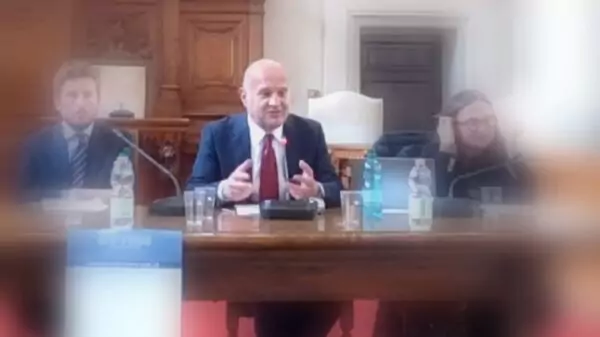





















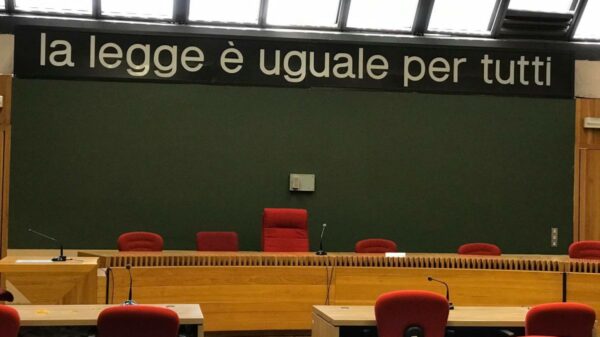










Good news for those who descends from Trentino peopleThe Provincial Council of Trento unanimously approved a proposal requesting the Italian Parliament and Government to reopen the path to recognizing citizenship for descendants of emigrants before 1918. The majority and the opposition voted together, a rare occurrence on an issue that often divides Italian politics.
The decision doesn't change the law for now. But it transforms the entire Province into an official spokesperson for the cause in Rome, with the weight of a consensus that transcends all parties. For the Trentino communities in Brazil and Argentina, it's the strongest political signal since the 2025 reform.

A historical injustice that has already been corrected once.
Those who left Trentino between the end of the 19th and the beginning of the 20th century departed from a territory that still belonged to... Austro-Hungarian EmpireThose emigrants were not Italian citizens, and therefore their descendants cannot prove the continuity required by the common rules of jure sanguinis.
However, there is an encouraging precedent. Law 379 of 2000 created an extraordinary procedure and allowed more than 7 people to obtain Italian citizenship. Rome has already recognized this history once. What the proposal now asks is that it recognize it again, after the reform of March 2025 closed the doors once more to these communities.
“We are not asking for territorial privileges, but for the recognition of a particular historical trajectory,” summarized the author of the proposal, council member Michele Malfer (Campobase).
The movement has been growing for ten months.
The vote crowns a mobilization that has been gaining momentum since September 2025. when Malfer submitted the proposal to the Provincial CouncilIn February 2026, the Trentino-Alto Adige Regional Council approved a similar text, calling for the elimination of the restrictions on Decree Law 36 / 2025 for the descendants of emigrants who left before 1920. Now the two institutional levels of the territory speak the same language.
Support from the provincial government came through the advisor. Mattia Gottardi, who highlighted the historical, cultural, and identity-related value of the proposal and recalled the debate at the World Conference of Trentino People. Stefania Segnana cited the institutional mission to Brazil for the 150th anniversary of Trentino emigration. Walter Kaswalder pointed out the disparities that the new rule created within the families themselves.
The debate also touched on citizenship for children of immigrants living in Italy. Council members such as Francesca Parolari and Lucia Coppola advocated for broadening the recognition of belonging, while Mirko Bisesti and Daniele Biada preferred to keep the two issues separate.
In his rebuttal, Malfer reaffirmed that the proposal corrects a historical and legal anomaly without creating privileges. If approved, the text obliges the Province to request national intervention. The decision now rests with Rome, but this time it comes accompanied by a unanimous message from the land where it all began.
What is a "voting proposal"?
It is a political instrument of the provincial and regional councils of Italy. Through it, the local body formally requests that the Parliament and the national government act on a matter outside their competence. The document is not binding on Rome and has no deadline for response. Its weight is political: the greater the consensus in its approval, the greater the pressure on the central power. It was a movement of this type that paved the way, in the past, for Law 379/2000.
(With information from L'Adige, Più Democrazia in Trentino and Unione delle Famiglie Trentine all'Estero)
















Cida
14 July 2026 15 at: 47
Ciao a tutti! This is great news that you can get citizenship there! Per jure sanguinis more quickly.