


















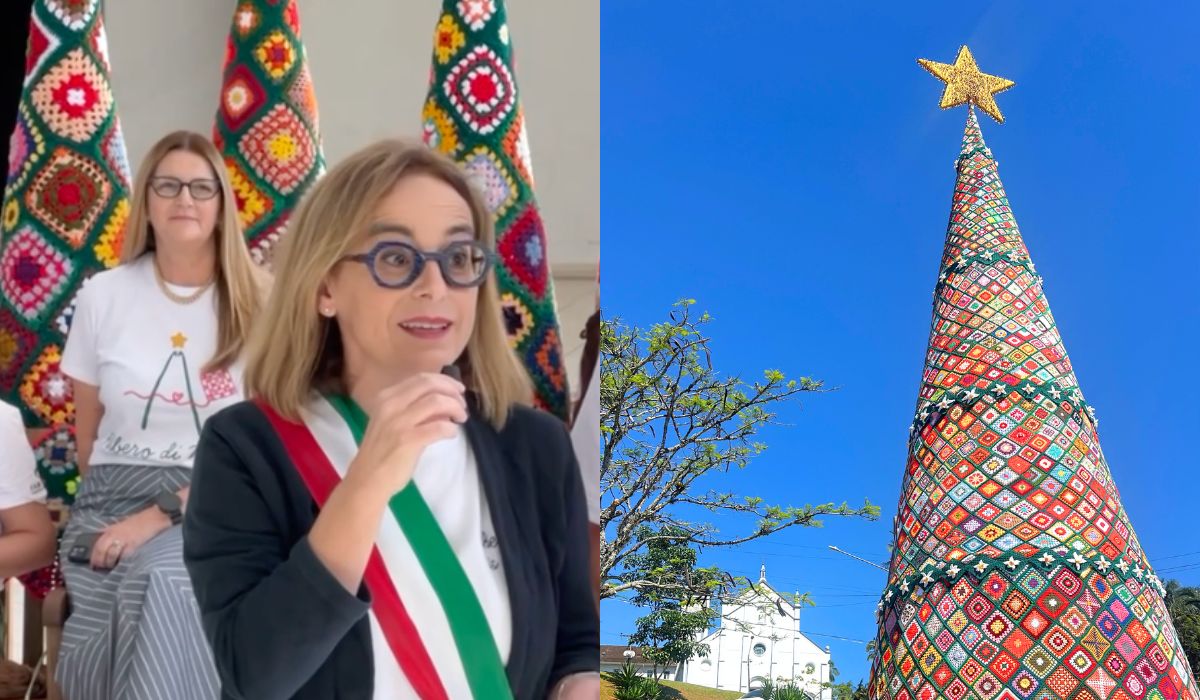
During an official visit to the city of Rodeio, in the Itajaí Valley (SC), the Italian mayor of Borgo Valsugana, Martina Ferrai, was moved when she encountered residents who, according to her, possess... the same faces, surnames, and physical features of the inhabitants of his hometown.
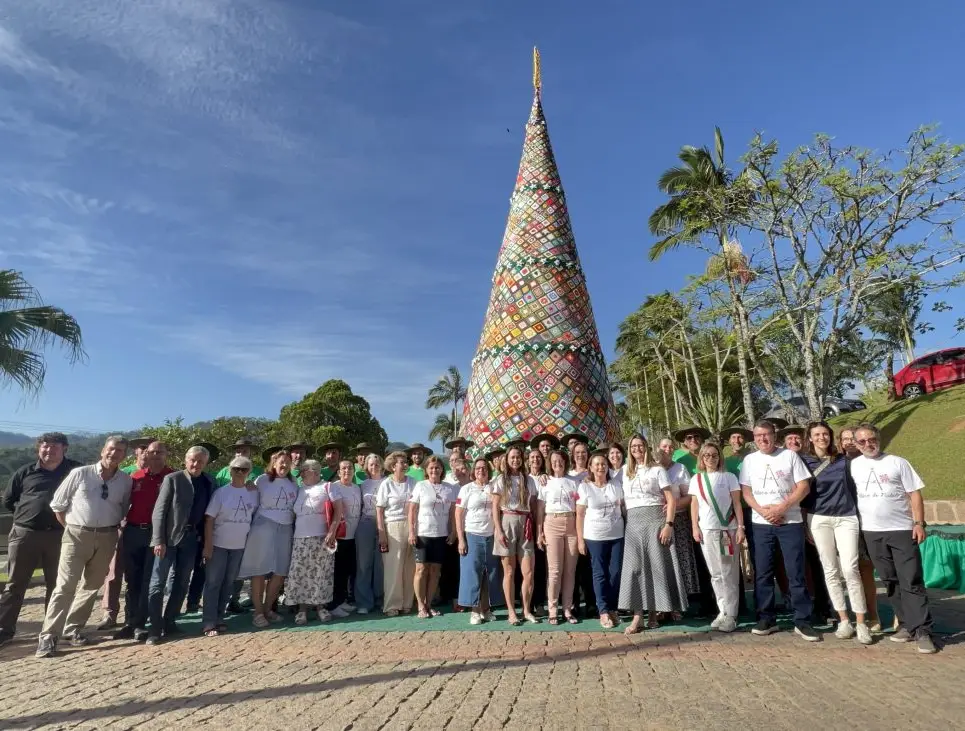
The statement was made last Tuesday (12), during a symbolic meeting with the local community, marked by the inauguration of the largest crocheted Christmas tree in Brazil. “These days, with the delegation present here, with the choir, we have met dozens of people who have exactly our faces, our surnames, our features. And here we really recognize each other in a thread of fraternity and familiarity that is incredible. Therefore, these days are incredibly rich in emotion. I have a great honor,” he said.
The mayor's speech highlights a reality often ignored by Italian authorities: the strong, active, and deeply rooted presence of descendants of immigrants in hundreds of Brazilian municipalities, especially in the Southern Region. In cities like Rodeio, founded by Trentino immigrants more than a century ago, cultural, linguistic, and family ties remain strong.
Despite the affectionate tone, the mayor's surprise is noteworthy for reinforcing the historical disconnect between part of the Italian public administration and the Italian-Brazilian communities. Even with a well-documented history of migration, many Italian administrators demonstrate a lack of understanding of the impact of the diaspora in countries like Brazil.
Ferrai's visit was part of the tour of the Coro Valsella, a musical group from Borgo Valsugana that traveled to Brazil to celebrate 150 years of Trentino immigration. In Rodeio, in addition to the ceremony with the crocheted tree, a symbol of community identity, there was also a cultural exchange with the Trentino Circle, local authorities, and crocheters who participated in the creation of the piece, conceived by Mirela Maria Moretto Moser and Richard Siqueira Cortes.
Commenting on the project, Martina highlighted the symbolism of details such as the alpine stars, traditionally linked to the Trentino region. “This tree is truly enormous, much bigger than the one we have in Olle. I really liked the detail of the alpine stars, because it shows that, when planning this tree, the crocheters thought of a symbol that connects them to their Trentino origins.”
The manager concluded the visit by highlighting the emotional value of the experience: “This moves me deeply. Beyond the impressive work behind it, there is also a profound and emotional meaning, familial and heartfelt. This touched me very much.”
The warm reception in Rodeio reinforces the importance of institutional recognition from the Italian authorities.
The surprising familiarity that persists among the descendants of immigrants raises questions about the treatment reserved for this population, which is often ignored or faces bureaucratic obstacles in the process of obtaining citizenship and reclaiming its identity.
FOLLOW ITALIANISM