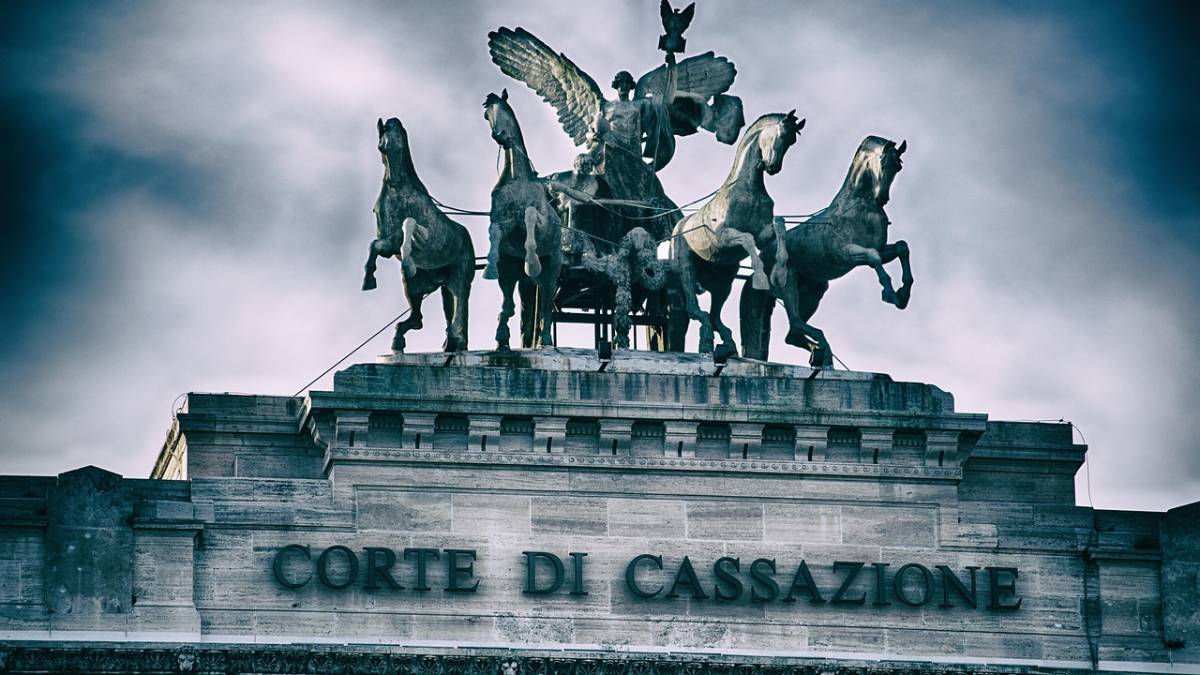
Menos de duas semanas após a Corte Constitucional italiana validar a lei que restringiu a cidadania ius sanguinis, um jurista brasileiro especializado em Direito Internacional afirma que a situação mudou de figura. Para o advogado Rui Badaró, doutor em Direito Internacional e professor visitante da Università degli Studi di Trieste, no norte da Itália, a sentença nº 13818/2026 da Corte Suprema di Cassazione, publicada na última quinta-feira (14), representa uma virada concreta: “quem atua em Direito Internacional/Constitucional, em matéria de cidadania, tem nova arma. E tem o dever técnico de usá-la.”
A afirmação não é retórica. A decisão da Suprema Corte criou uma categoria jurídica nova, o pregiudizio a monte, que equipara a impossibilidade de agendar atendimento consular ao indeferimento formal de um pedido. Na prática, isso significa que o descendente bloqueado em fila de espera pode acionar a Justiça diretamente, sem precisar provar que esgotou o caminho administrativo antes.

O que mudou e por quê
O cenário que antecede a decisão é conhecido por milhares de brasileiros. Em 30 de abril, a Corte Constitucional, a chamada Consulta, homologou a lei 74/2025 (Decreto Tajani), que introduziu um corte temporal no reconhecimento da cidadania por descendência. Para Badaró, aquela decisão operou “reforma constitucional material sem reforma constitucional formal”, e foi o que o levou a escrever, dias antes, que o ius sanguinis havia morrido.
A sentença da Suprema Corte não desfaz esse golpe. Mas abre outro caminho. “Onde a Consulta fechou a porta substantiva, a Cassazione abriu a janela processual”, escreve o jurista.
A nova categoria jurídica
O caso que originou a decisão envolve descendentes de um italiano nascido em 1818, emigrado à Colômbia. Em setembro de 2022, ajuizaram ação perante o Tribunal de Gênova, porque a embaixada italiana em Bogotá havia suspendido os agendamentos sem data para retomada. O próprio site oficial registrava: “Atualmente, ainda não está prevista uma data para a retomada destes compromissos”.
A Suprema Corte respondeu com clareza: a obstrução da entrada é tão grave quanto o indeferimento da saída. E fixou um princípio vinculante para toda a jurisdição inferior, que o interesse de agir “sussiste não apenas em caso de negativa ou atraso, mas também quando existam impedimentos que não permitem sequer apresentar o pedido à Administração.”
Badaró destaca ainda que a Cassazione reafirmou a estrutura clássica do direito por descendência, definindo que a autoridade consular exerce “funzione meramente accertativa” — função declaratória, não constitutiva — e que o direito à cidadania “è permanente ed imprescrittibile”: ou seja, existe desde o nascimento e não prescreve.
O que fazer agora
O jurista, que publicou análise sobre o tema no Consultor Jurídico, aponta que a decisão alcança diretamente os consulados italianos em São Paulo, Rio de Janeiro, Belo Horizonte, Curitiba e Porto Alegre. A prova necessária é o próprio bloqueio: capturas de tela de tentativas no sistema Prenot@mi, e-mails sem resposta, declarações públicas de suspensão nos sites consulares.
“O cadáver respira”, conclui Badaró, referindo-se ao ius sanguinis que a Consulta declarou enterrado há menos de duas semanas.
Newsletter
Últimas do Italianismo
Todo dia, às 18h, um resumo do que aconteceu na Itália direto no seu e-mail.
É gratuito e você cancela quando quiser.












La migliori notizia sulla cittadinanza è chiamato <> per Italianismo.