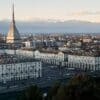









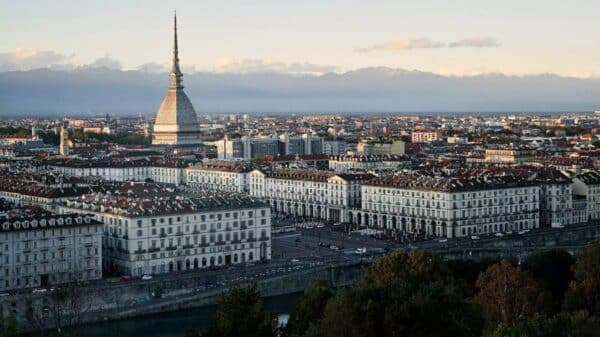














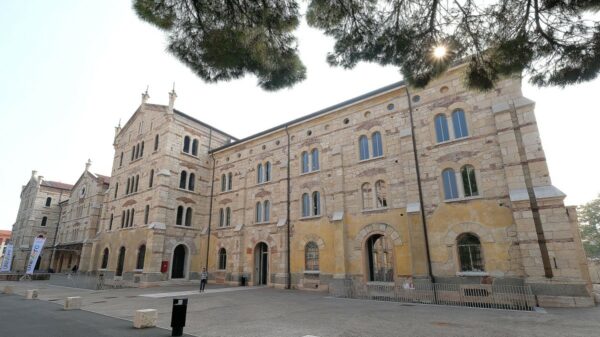
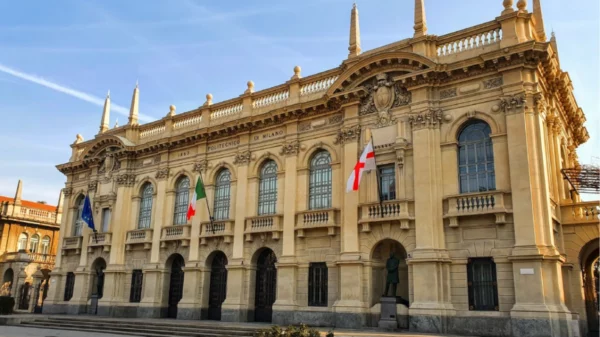



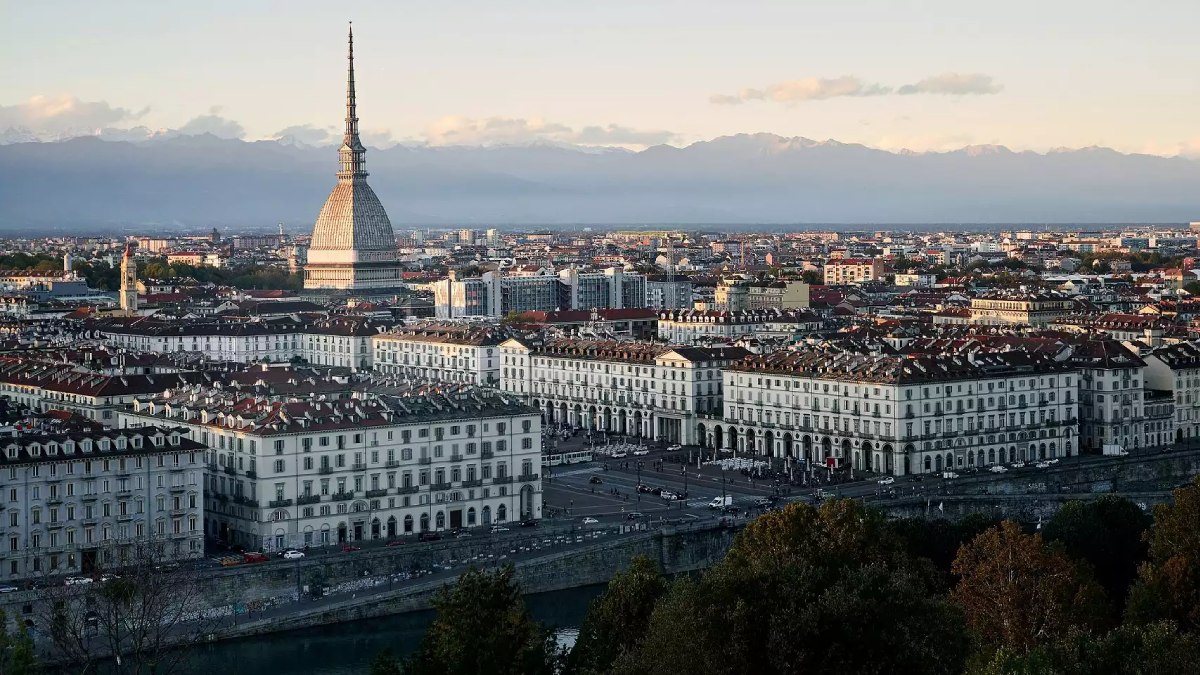
Turin has never been a top choice on traditional Italian tourist itineraries. However, in 2026, the capital of Piedmont Fiat's birthplace gains prominence for bringing together renowned museums and preserved palatial architecture.
The city now occupies the space of authenticity that Florence sacrificed by converting its historic center into an exclusive destination for visitors. While the Tuscan capital faces the challenge of managing crowds, the Piedmontese capital maintains the pulse of a city made for its residents.

• Cases affected by the decree
• Delays at the town hall and consulate
• Customized legal strategy
This identity translates into a human scale that other Italian centers have lost. Turin offers renowned museums and wine gastronomy, such as Barolo and Barbaresco, without reorganizing its logistics to cater to mass tourism.
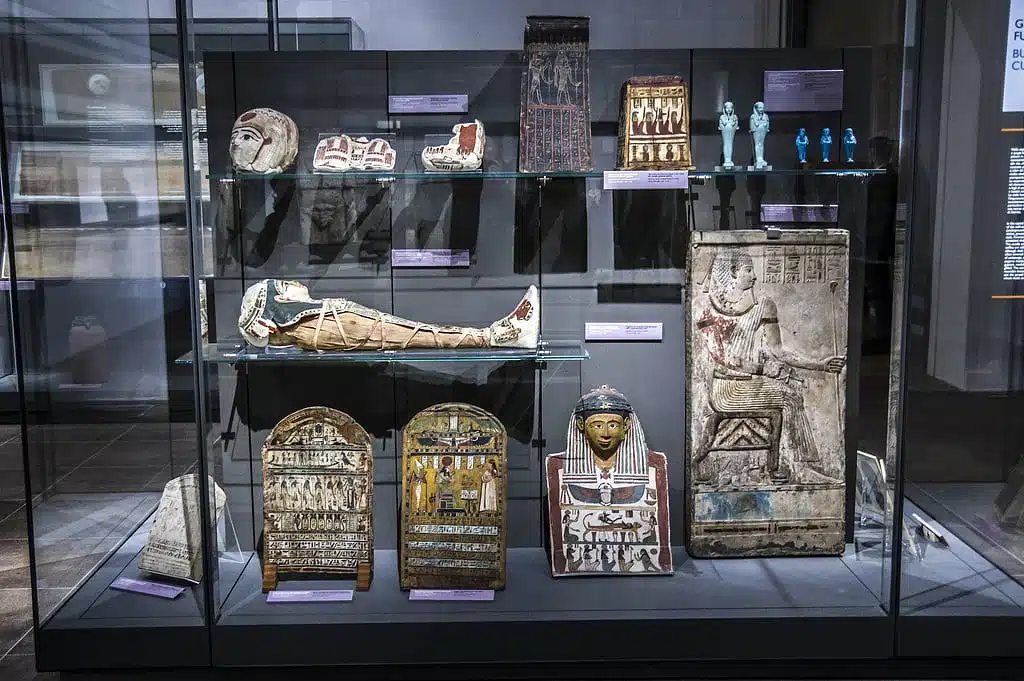
The Egyptian Museum of Turin holds the second largest collection of Egyptian art in the world, surpassed only by that of Cairo. The collection includes more than thirty thousand pieces. Another highlight is the National Cinema Museum, housed in a 19th-century iron and glass dome.
The regional cuisine centers around chocolate. Gianduiotto, made with hazelnuts, has artisanal versions available in the city. Meanwhile, bicerin, a chocolate and coffee drink served since the 18th century, is a part of local daily life during the colder months.
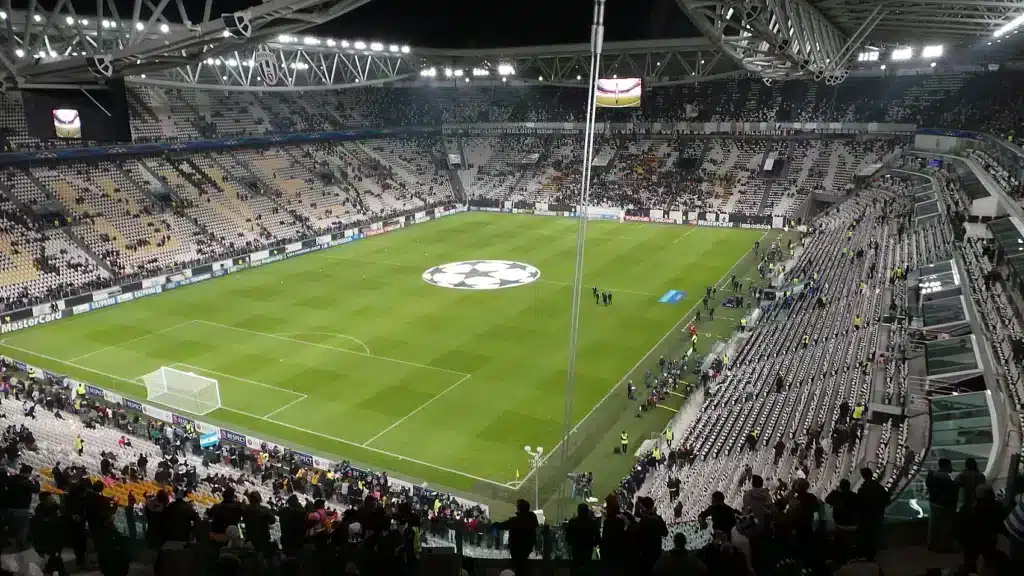
Sports and industry also shape local identity through from Juventus and Fiat. The Allianz Stadium and the automaker's museum in Mirafiori are frequent destinations for those interested in football and industrial design.
The cost of living in the city remains lower than in other Italian metropolises, particularly for hotels and restaurants. Turin represents the choice of travelers seeking the authentic Italy that the major tourist centers no longer offer.