




















Traveling to Italy doesn't have to be a privilege reserved only for those who earn in Euros and are wealthy. With a planned budget of BRL 150 per day (excluding accommodation and airfare, which must be paid in advance)With this, you can live the "Italian dream" in an authentic way.
The trick used by experienced travelers is... "selective luxury"Saving money where no one sees it, so you can splurge where it really matters.
1. Breakfast "al banco"
Never, under any circumstances, sit at the tables in the main squares of tourist cities like FlorençaRome, Venice, just to have a simple coffee.
- The rule: In Italy, there's the "al banco" (at the counter) price and the "tavolo" (at the table) price. At the counter, an espresso and a cornetto cost around... €2,50 (R$15)If you're seated, the price can triple. If you choose Piazza San Marco, in the historic heart of Venice, be sure to have your credit card ready.
- Gain: You save money and still get the authentic experience of a place.
2. Lunch is the new dinner.
In recent years, Italian restaurants have reinforced the Menu of the Day (Menu of the Day).
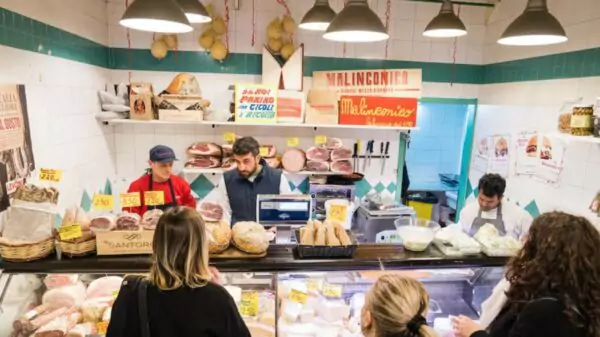
- For about €12 to €15 (R$70 – R$90)You are entitled to a first course (pasta), water, and coffee. Save something light and inexpensive for the evening (like a pizza al taglio) and invest your budget in a hot, full lunch.
3. Free water: the treasure of the "nasoni"
Stop buying €2 plastic bottles. Italy is full of ice-cold drinking water fountains. In Rome, look for them... Nasoni.
- Economy: €4 to €6 per day. At the end of 10 days, it's... 300 BRL Extra money to buy that special wine.
| Meal/Expense | Cost in Euros | Cost in Brazilian Real (approx.) |
|---|---|---|
| Breakfast (at the counter) | € 2,50 | 15,00 BRL |
| Lunch (Today's Menu) | € 13,00 | 78,00 BRL |
| Appetizer/Light Dinner | € 8,00 | 48,00 BRL |
| Urban transport / Water | € 1,50 | 9,00 BRL |
| DAILY TOTAL | € 25,00 | 150,00 BRL |
4. The three-court rule
If you see a waiter at the door calling you, a menu with colorful photos, or—the biggest red flag—the flags of various countries printed on the menu, keep walking.
The best restaurants in Italy don't need sidewalk advertising. They're hidden away in residential alleyways, often without neon signs, just a discreet plaque that says "The restaurant is the best." tavern ou Osteria.
The menu is short: An authentic restaurant focuses on what's fresh that day. If the menu has 50 pasta options, be suspicious. If it only has 5 or 6, you're in the right place.
Avoid the "vizu": Restaurants with direct views of the Colosseum or the Milan Cathedral charge a "view rental" fee on your bill. Walk three or four blocks into the neighborhood.
Observe the audience: If you walk into a place and only hear Italian (or local dialects), you've found a treasure. Locals avoid "tourist restaurants" because the food is often pre-cooked and the seasoning is adapted to foreign palates.
Extra Tip for 2026:
Use apps like TheFork Or Google Maps itself, but filter by the comments. in ItalianWhether the locals are complaining or praising it, that's the real verdict. Furthermore, many of these "hidden" places offer house wine (House wine) for a fraction of the price of a labeled wine, and the quality often surprises you.