

































The real estate market in Italy is undergoing a structural change. Extreme heat, prolonged droughts, and floods are no longer secondary factors and are now directly influencing property values.
The impact is already altering purchasing decisions, evaluation criteria, and even the financial viability of properties in different regions of the country.
Social networks and the ignored risk
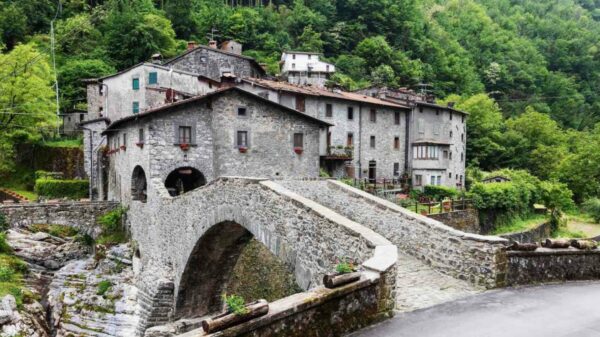
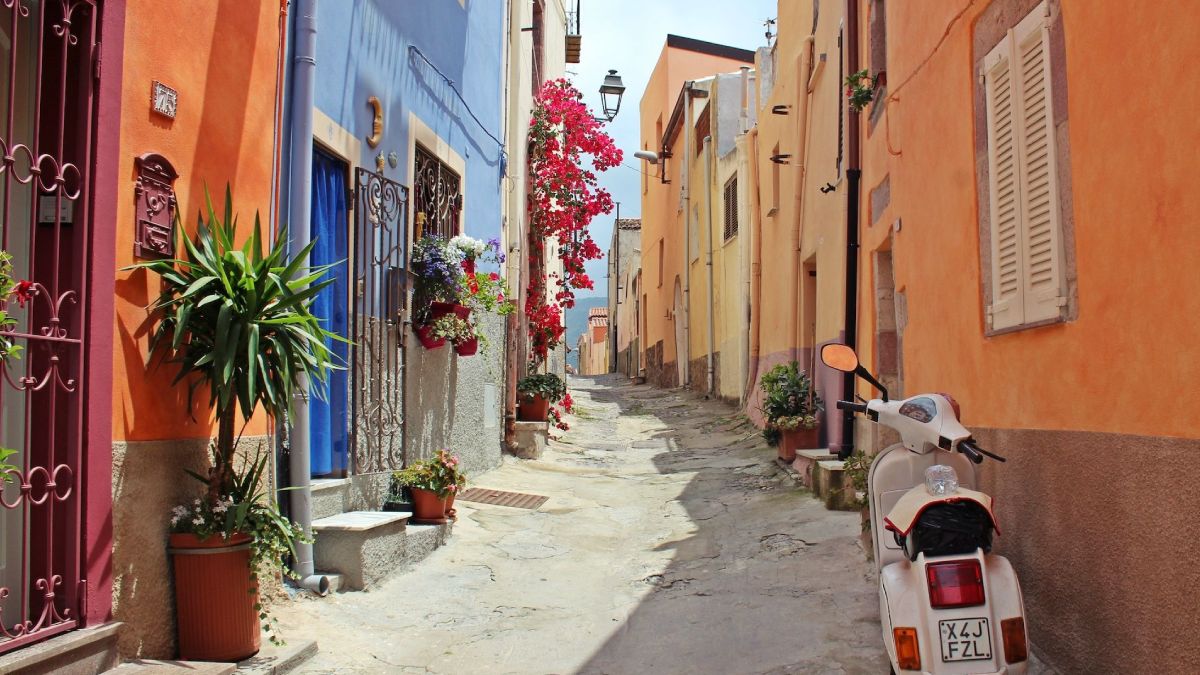
Videos that promote cheap houses in Italy They continue to attract foreign buyers, including Brazilians. Most highlight the low prices, landscapes, and Italian lifestyle.
But these offers, in many cases, fail to consider (or show) essential factors such as climate risk, infrastructure, and future costs.

The Supreme Court reaffirmed: citizenship is born with the person.
- New legal front opened
- Processes can still be filed.
- Individual assessment before any decision.
Choosing a location based solely on aesthetics can mask structural problems and escalating expenses.
Climate becomes central to the decision.
Data from institutions such as IVASS and the OECD indicate that a region's microclimate now defines the real value of an asset, directly influencing insurance costs and property liquidity.
Elisabeth Jane Bertrand, founder of the portal DolceviaHe states that many buyers still ignore this data. "The buyer who is paying attention is already adjusting their map. Those who aren't, still choose based on a sunset view and a zip code," he says.
According to her, the period of comfortable use of properties is decreasing, especially during the summer months.
Longer summers and less habitable conditions.
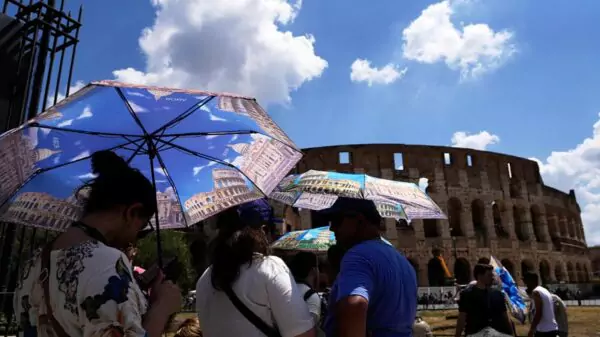
Temperatures above 40 degrees Celsius in southern Italy and above 35 degrees Celsius in major cities made July and August less attractive.
This directly affects properties intended for vacation rentals. Profitability then becomes dependent on intermediate months, such as spring and autumn.
Climate phenomena and direct impact
Weakening Atlantic ocean currents intensify extreme events in the Mediterranean.
Storms known as medicanes can generate intense rainfall in a short period, overwhelming old drainage systems, common in historic cities.
The result is frequent flooding and structural damage.
Microclimate redefines value
Recent data shows that the microclimate of an area has become a determining factor in property prices.
Altitude, ventilation, access to water, and sun exposure carry more weight than location. Studies by the Fondazione GRINS indicate drops of 1,6% to 3,2% in property prices in areas affected by extreme events.
Pressure on insurance companies
The insurance sector is already responding to the increased risks. IVASS report ( Institute for Insurance SupervisionIt points out that the costs of climate events have risen from 2 billion to more than 7 billion euros.
This results in insurance being more expensive or unavailable in certain regions.
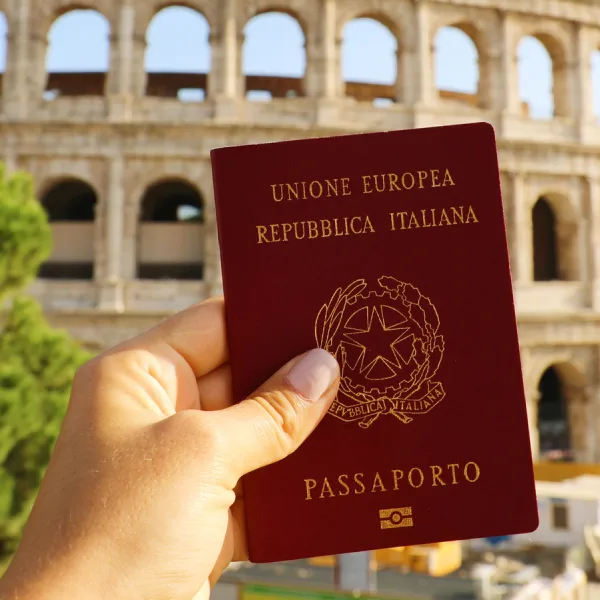
The Constitutional Court's decision changed the landscape. The new citizenship law will now be reviewed by the European Union's courts of justice.
Without adequate insurance coverage, the property loses liquidity and market value.
International assessment reinforces trend
O Climate Risk Index 2026 The report highlights Italy as one of the European countries most vulnerable to direct economic losses from extreme events. It indicates that the "new normal" is already affecting the valuation of real estate assets, where proximity to urban "heat islands" or flood zones causes an immediate devaluation in the secondary market.
The OECD points out that properties in areas of extreme heat are facing a drop in liquidity.
The cost of climate adaptation will be deducted from the asset's value.
Regions with distinct behaviors
The impact is not uniform. Northern areas, such as Piedmont and Lombardy, exhibit greater hydrological and thermal stability.
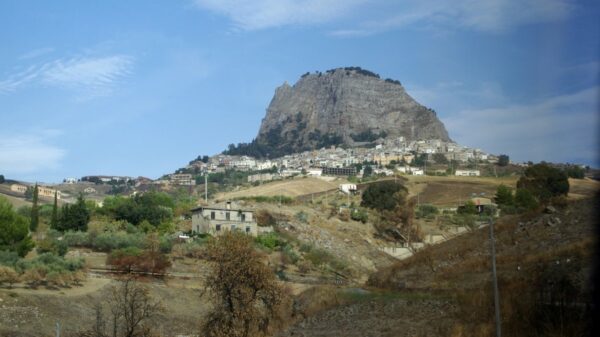
Regions like Sicily and Sardinia are already facing water shortages and an increased risk of wildfires.
Infrastructure becomes a differentiator.
The adaptability of cities is directly influencing property values.
Drainage systems, urban planning, and water resource management become central criteria. Properties in well-prepared cities tend to maintain their value and attractiveness.
What to consider before buying
The analysis highlights essential factors that should be considered before purchasing:
• Suitable for use in summer
• local drainage infrastructure
• property altitude
• access to water
• Actual insurance conditions
Prior analysis reduces risks and avoids unexpected costs.
Structural change in the market
The logic of the Italian real estate market is in transition.
The value of a property is no longer defined solely by location, but now incorporates climate resilience, adaptation costs, and long-term sustainability.
Italy will continue to be a desirable destination. But the purchase decision requires more technical analysis and less impulse.