























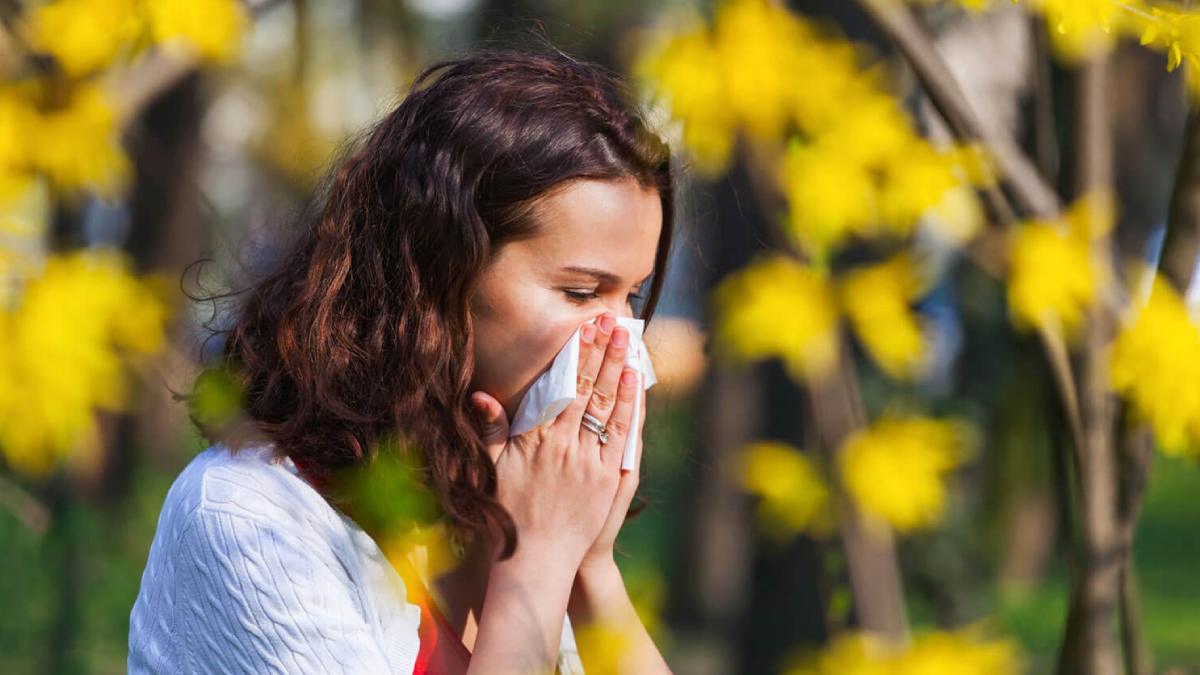
Allergy season has already begun in Italy with the arrival of sunnier days. Frequent sneezing, irritated eyes, and runny noses are once again part of the daily routine for some of the population.
About 20% of people in the world are allergic to pollen. The phenomenon has been growing, associated with climate change.
In early spring, the main pollutants in Italy are pellitory, birch and cypress pollen, especially in the south-central regions. These trees release pollen between January and April.
As the season progresses, grasses, olive trees and plane trees become predominant. At the end of summer, plants from the Asteraceae family come into play, with a cycle between July and October.
most common symptoms
Symptoms include a stuffy or runny nose, sneezing, and itchy or watery eyes. Throat irritation, headache, and fatigue may also occur.
Some people use antihistamines daily during the critical period to reduce the effects.
The little secret
O local honey consumptionCollecting pollen, produced in the surrounding area, is a common practice in Italy during allergy season. Many see it as a helpful way to combat the symptoms caused by pollen.
The idea behind this custom is simple. Honey produced in the region itself contains small amounts of local pollen. By consuming the product frequently, the body would be gradually exposed to these substances.
This process is popularly associated with a kind of adaptation of the body to the environment. That's why many Italians include honey in their diet during periods of higher allergy incidence.
What to ask for at the pharmacy
In Italy, allergy medications can be purchased without a prescription, but only at pharmacies or designated supermarket counters.
The main request is for an antihistamine, also called an "antihistamine." Among the most common are cetirizine, loratadine, and fexofenadine.
Pharmacists also often recommend nasal sprays containing corticosteroids, such as mometasone. Another option is saline nasal spray, used to clear pollen from the respiratory tract.
Eye drops are also recommended to relieve eye irritation.
In more severe cases, the recommendation is to seek medical attention for evaluation and possible prescription.
How to reduce exposure to pollen
Health authorities recommend avoiding direct contact with pollen whenever possible.
Wearing sunglasses helps protect your eyes. Outdoor activities, such as gardening or playing sports, should be avoided during periods of heightened concentration.
Ideally, go out in the late afternoon or evening. Dry, windy days tend to have higher pollen levels.
At home, the recommendation is to open the windows for short periods, preferably early in the morning or at night.
After going outside, it is recommended to shower, wash your face and hair, and change your clothes. Fabrics and hair strands accumulate pollen particles.
It is also recommended not to dry clothes outdoors and to use a vacuum cleaner instead of a broom when cleaning.
Useful vocabulary in Italian
Some expressions can be helpful in the pharmacy:
I'm surrounding an antihistamine for allergies
I'm looking for an antihistamine for allergies.
Fieno fever
Hay fever
itch
Itching
Sneezing
Sneezing
Nasal spray
nasal spray
Stuffed nose
Stuffy nose
A runny nose
Runny nose
Gocce per gli occhi or colliri
Eye drops
Red eyes
Red eyes
Occhi lacrimosi
Tearful eyes
These expressions help describe common symptoms and facilitate communication with pharmacists during consultations.