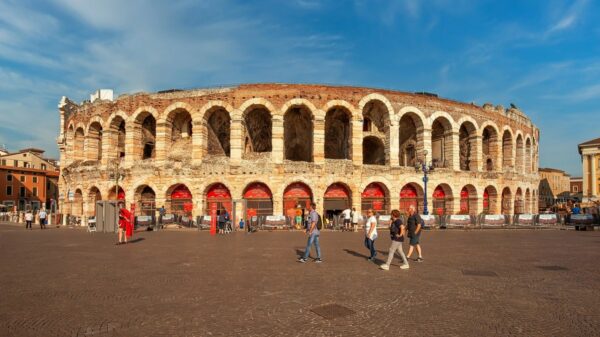





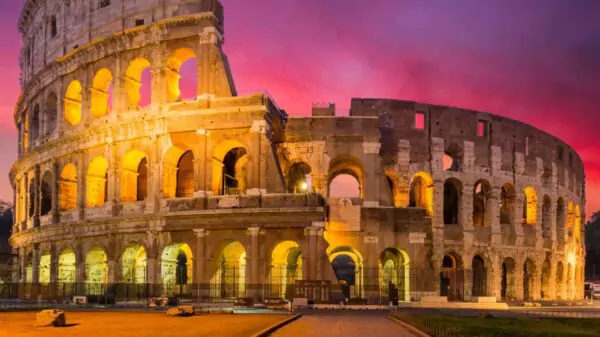





Living in Italy is a dream come true. ten out of ten descendantsbut the reality of everyday life in Beautiful country It goes far beyond the postcard image of the Colosseum or the Tuscan hills. There's an unwritten "code of conduct" and a series of eccentricities that only those who experience the daily life of Italian cities understand.
We've compiled unusual facts that movies don't show, but that define the experience of being a resident in Italy in 2026.
1. Cappuccino only until 11am
Ordering a cappuccino after lunch is considered a serious mistake.Italians believe that hot milk after eating hinders digestion. Be prepared for pitying looks from the barista.
2. Pineapple pizza doesn't exist.
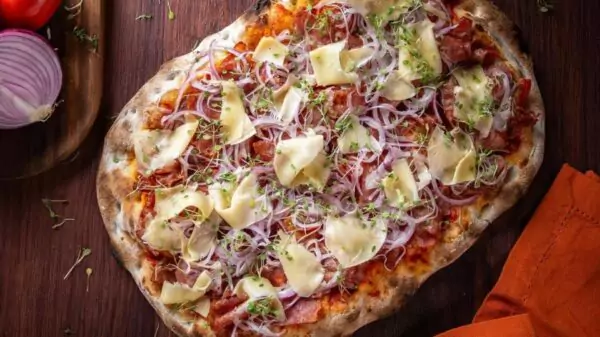
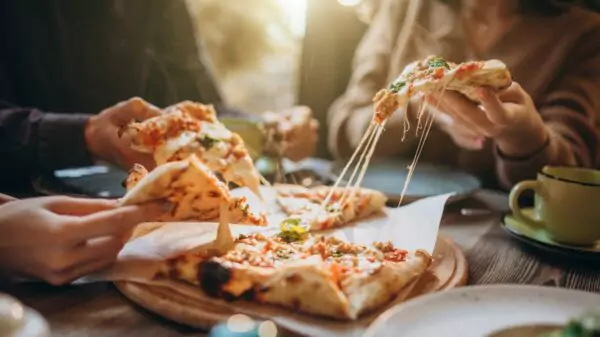
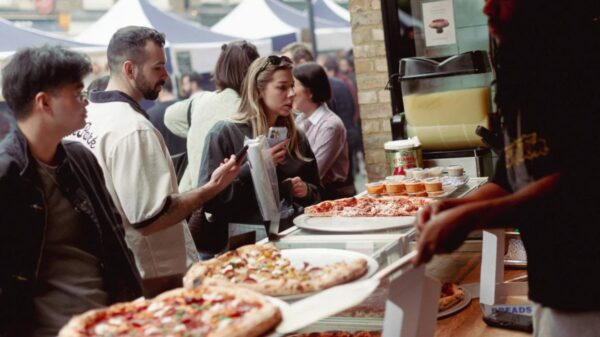
In Naples, the birthplace of pizza, adding pineapple is considered cultural heresy. Neapolitan pizza even has intangible cultural heritage protection. There's even a serious debate in the Italian Parliament about preserving the original recipe.
3. Pasta al dente is really rigorous
"Al dente" isn't a matter of personal preference—it's the standard. Overcooking pasta is considered a culinary offense. Each region has its preferred pasta and a fierce pride in its local recipe.
4. Sparkling water vs. still water: choose carefully.
In restaurants, the first question is always “acqua frizzante o naturale?” — and you should know the answer. Asking for tap water is perfectly acceptable in the North, but it might elicit strange looks in the South.
5. Wine cheaper than water (sometimes)
In wine regions such PiedmontIn Tuscany and Veneto, a bottle of local wine can cost less than a bottle of imported mineral water in a restaurant. Wine on the table is almost mandatory.
6. "Ora italiana" is a real thing.
Arriving 15 to 30 minutes late to dinners or informal gatherings is completely normal and expected. Arriving on time might even embarrass the host, who is still getting ready.
7. Voice volume is communication.
What sounds like an intense argument is probably just a lively conversation about football or the recipe for... nonnaItalians typically speak loudly—silence in public can be interpreted as coldness.
8. The family decides everything
It's common for adult Italians to have lunch at their parents' house every week—or every day. Career decisions, dating, and moving to a new city often require family approval. "mammismo" It is a phenomenon studied by sociologists.
9. Bella figures above all
Leaving the house poorly dressed for "a quick errand" is unthinkable for many Italians. Personal presentation is taken seriously, even for a trip to the pharmacy. Wearing gym clothes outside is tolerated, but not ideal.
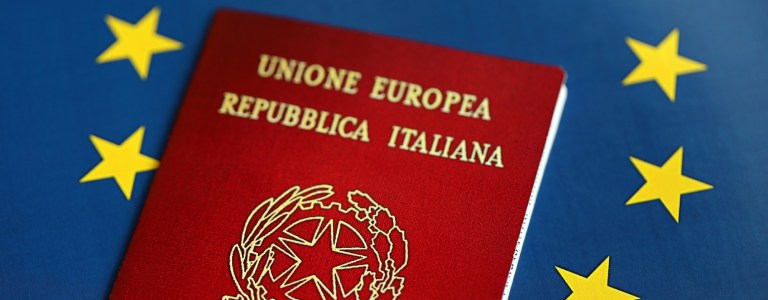
10. Codice fiscale is your new CPF (Brazilian tax identification number).
You will need fiscal code For absolutely everything: opening a bank account, renting an apartment, connecting to the internet, buying a SIM card, going to the doctor. It's the first step in any bureaucratic process in Italy.
11. Never-ending queues
Immigration offices (Questura) and general bureaucracy operate with legendary slowness. Online appointments often have waiting times of weeks. Bringing a book, coffee, and endless patience is unofficial protocol.
12. Registered letters: an important event
Receive a Registered mail (Registered mail) from the post office while you're not home is a minor crisis. You receive a notification, you have a deadline to pick it up, and if you don't pick it up... the bureaucracy gets worse.
13. Lunch break is sacred.
In smaller towns, shops close between noon and 15 or 16 pm for lunch. Trying to buy something during this time results in a closed door with the famous "Torno subito" sign — which can mean anywhere from 5 minutes to 2 hours.
14. Drafts are deadly hazards.
The "draft" (corrente d'aria) is considered the cause of everything: headaches, stiff necks, colds. It's not uncommon to see Italians closing open windows on hot days to avoid this invisible threat.
15. Dogs go everywhere.
Dogs are allowed into many restaurants, shops, and even supermarkets. Italians have a very close relationship with their dogs. A well-behaved dog is rarely turned away—it's almost a citizen with rights.
16. Sunday is family day, not shopping day.
On Sundays, many shops are closed or only open in the morning. Sunday is officially for family lunch, the passeggiata. (tour) and rest — not for consumption.
17. Collective heating in buildings
In many older apartments, central heating is controlled by the building management and switched on/off on fixed dates according to the calendar—regardless of the outside temperature. It could be 5°C and the heating still "hasn't turned on."
18. Cash is still king in many places.
Despite being the 8th largest economy in the world, many restaurants, markets, and small vendors still prefer—or only accept—cash. Carrying euros in cash is practical wisdom, not paranoia.
19. Regional trains: a spiritual experience
High-speed trains (Frecce) are extremely punctual and modern. Regional trains are a different story: delays are common and air conditioning is optional in the summer. That's when you learn to appreciate the present.
20. Limoncello after dinner, as a toast.
In many restaurants in the South, especially in Campania, limoncello is served complimentary as a digestif at the end of the meal. Refusing it can be considered rude. It's protocol, not accidental generosity.