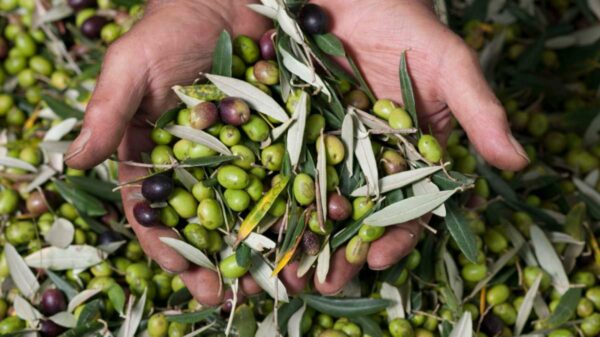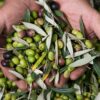



























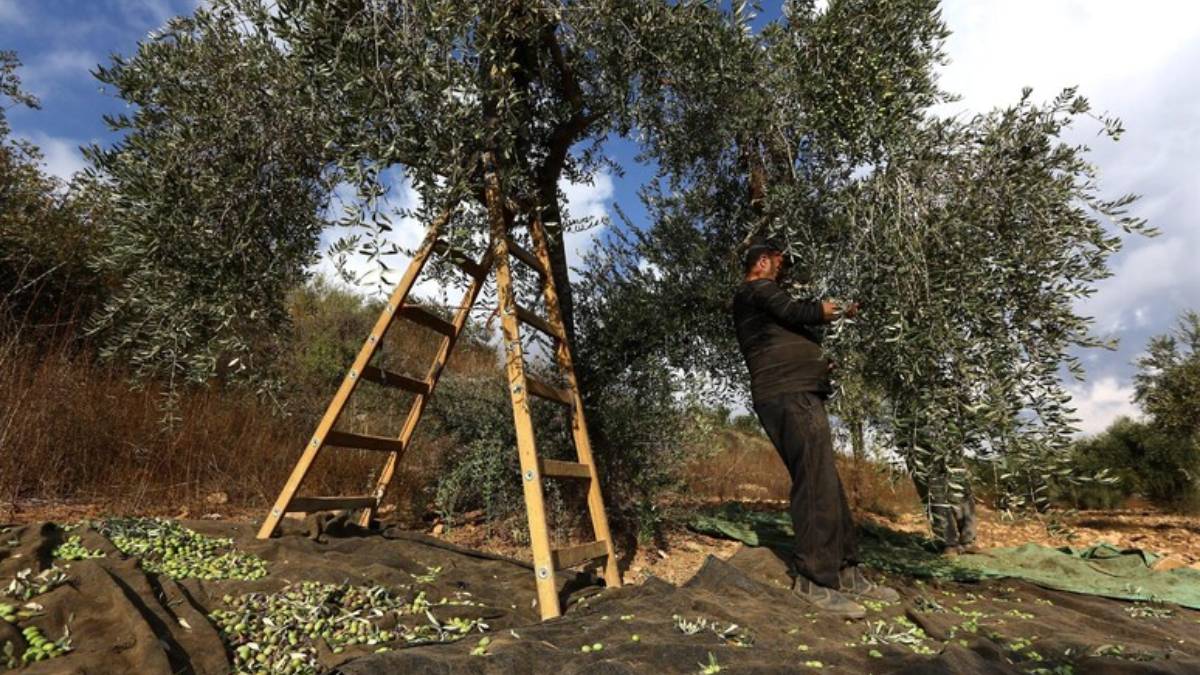
The biblical story of Noah's Ark, which is said to have saved a pair of each animal species during a long storm, served as inspiration to guarantee the future of some varieties of olive trees that are at risk of extinction in Italy, Spain and Morocco because they are not as productive from a commercial point of view.
To prevent the loss of such a vast heritage in terms of biodiversity, the “Noah’s Ark of olives” has invested in the cultivation of regional olive trees, such as in the Italian cities of Lugnano in Teverina, in Umbria, and Follonica, in Tuscany.
In Umbria, olive oil consumption is so present in the culture that every newborn or newcomer to Lugnano in Teverina is given a welcome olive tree. In the village, located in the Amerini hills, archaeological excavations have revealed the presence of olive cultivation since the end of the 1st century.
The city's “Noah's Ark” is called “Olea Mundi”, a collection of 400 varieties of olive trees that can be replicated from three specimens of each species, totaling 1,2 trees spread across 10 hectares.
In addition to the genetic preservation of important samples, the initiative also allows scientists to study the behavior of cultivars amid climate change.
“Global collections of olive tree species represent a major driving force for the territories fortunate enough to be home to these excellences. In addition to the study and conservation of biodiversity, they are an important tool that can be put to the service of schools, universities and tourists interested in the world of olive oils,” says European Parliamentarian Francesca Peppucci.
Italy is the leader in the European Union in the number of extra virgin olive oils with Protected Designation of Origin (43) or Protected Geographical Indication (7) seals, the result of a heritage of 250 million plants and 533 olive tree cultivars. (HANDLE)