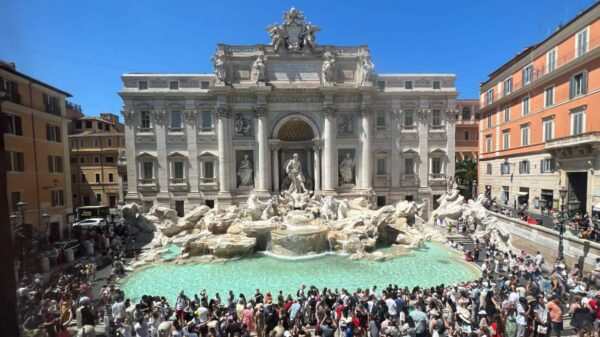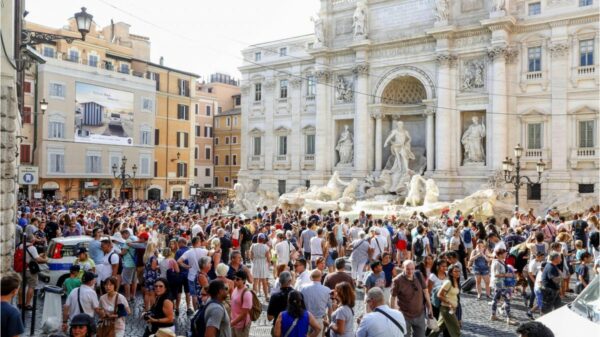


























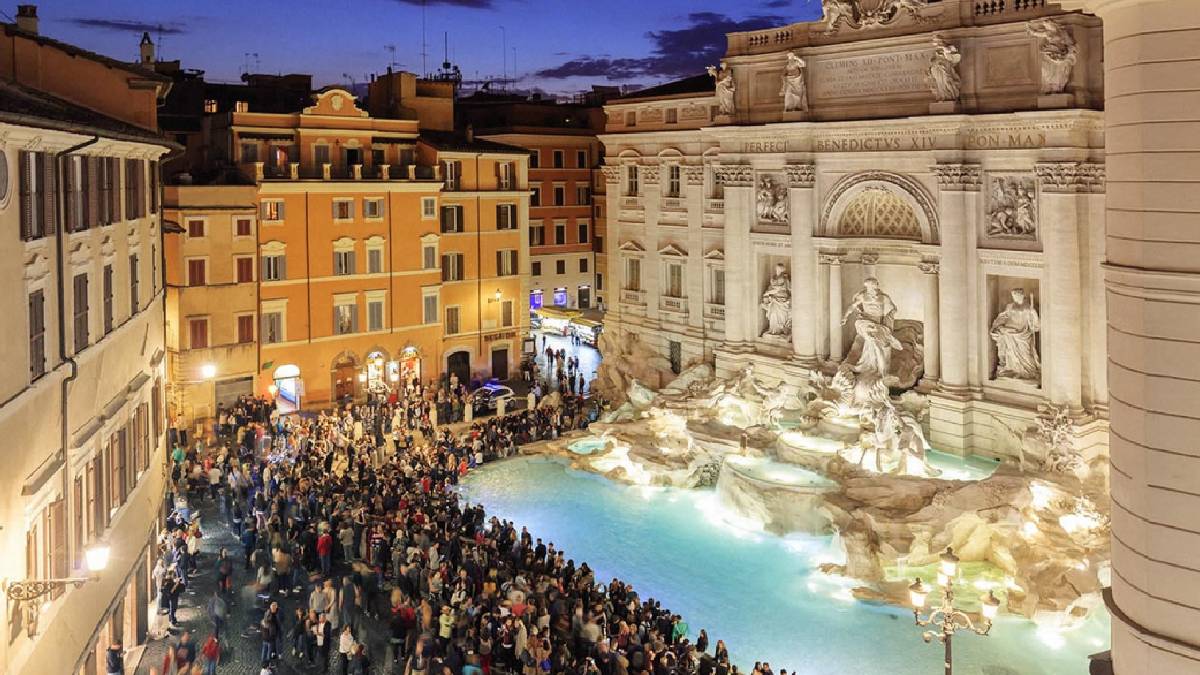
The Rome City Hall confirmed on Monday (7) that it will limit access to the Trevi Fountain, one of the most visited attractions in the “eternal city”, and that it is considering charging tourists for tickets to the monument.
The initiative will be tested during maintenance work on the fountain, which will be emptied and surrounded by transparent panels while the renovation takes place.
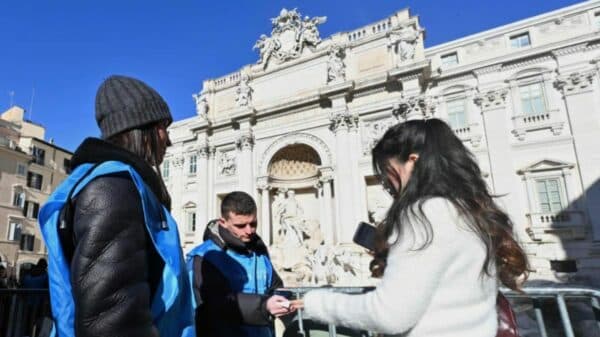
So that travelers can visit the monument during this period, a horseshoe-shaped walkway will be installed, where access will be controlled to avoid overcrowding.
“This work is an opportunity to announce what we have decided: the walkway will allow us to experiment with the contingent visitation method, also for obvious security reasons.

The Supreme Court reaffirmed: citizenship is born with the person.
- New legal front opened
- Processes can still be filed.
- Individual assessment before any decision.
"Our intention is to establish, through an experimental phase, the maximum number of people [that the monument can accommodate]," said the mayor of Rome, Roberto Gualtieri, from the center-left.
“We will count the number of people who enter [the walkway], and then we will have to wait for them to leave so that others can admire the fountain,” he added. According to Gualtieri, a subsequent phase will decide on the institution of a “small financial contribution” from tourists.
However, the mayor assured that the square where the monument is located will not be closed and that visitors will be able to move freely around the site.
The €327 ($2 million) renovation is expected to be completed before the start of the 2025 Jubilee, which begins on Christmas Eve 2024, and Gualtieri estimates that ticket charges could start in the first half of next year.
According to Rome City Hall, the Trevi Fountain receives 10 to 12 visitors a day, which translates into around 4 million visitors a year. “We want to offer tourists an experience that is not chaotic and promote a slower and more responsible type of tourism,” said the city’s tourism secretary, Alessandro Onorato.
Last month, it was considered that future tickets could cost one euro (R$6).
Other Italian cities have also been adopting measures to curb the harmful effects of mass tourism in recent years.
In the first half of the year, Venice tested a payment reservation system to enter its historic center, a measure that could become permanent in 2025, while Florence banned new Airbnbs in its historic center. (HANDLE)