





























While some foreigners living in Italy are still wearing T-shirts, Italians are gearing up for one of the most stressful fashion events of the year: a wardrobe change. from summer to autumn.
This tradition is not just an aesthetic ritual, but rather a reflection of the meticulous way in which Italians deal with what they wear, and when they wear it, depending on the season.
A careful styling ritual
It is often said that Italians stand out for the way they dress, with designer clothes, elegant bags and shoes.
However, the issue is not whether they actually dress better than others, but rather that they are extremely picky about what they choose to wear, and this includes carefully adapting to the weather.
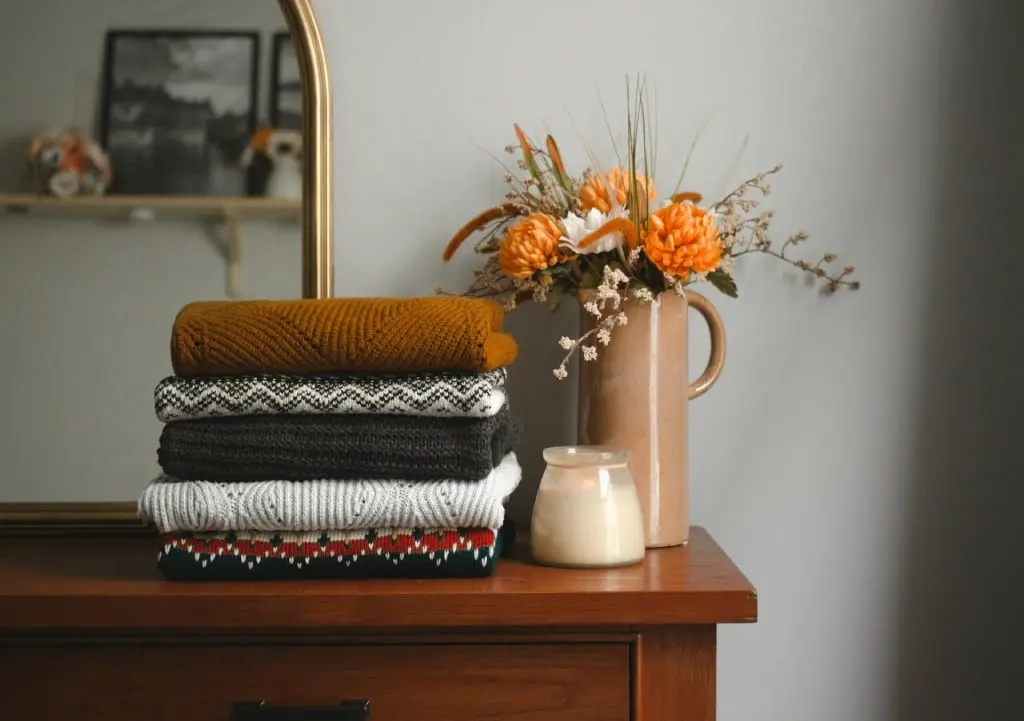
The wardrobe change, or “change of station”, is a task taken seriously and involves all family members, from the youngest to the grandparents. This process, which can consume entire days of weekends or free time, resembles an annual ritual, as important as taking the car for a check-up.
The transition from summer to autumn
In Italy, there are four major wardrobe changes, one for each season. The most exhausting is undoubtedly the transition from summer to autumn, which usually takes place around mid-September, when the heat begins to ease.
This is the time when light, colorful summer clothes are carefully removed from the closets and placed on the bed, while the heavier autumn clothes, stored high up in wardrobes or in storage, are revisited.
Time for cleansing and renewal
In addition to organizing your clothes, changing your wardrobe is also an opportunity to do some cleaning: it's time to try on fall clothes and decide whether they still fit or have lost their appeal.
This process can take hours, if not days, especially when it comes to jackets and coats, which tend to take up more space and need to be removed from basements or attics, cleaned and tried on.
The importance of details
Another crucial aspect of this transition is the change of footwear. Sandals and flip-flops, considered unacceptable after September 20, are put away, making way for boots and sneakers, which now occupy the shelves.
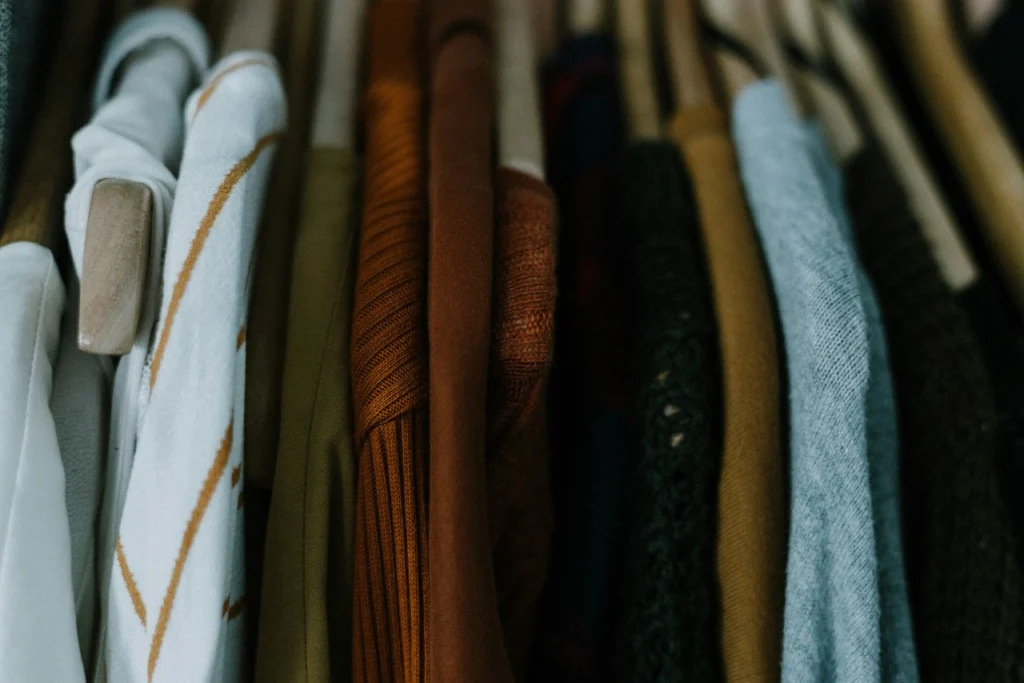
And even though the temperatures are still high, for an Italian, when summer ends, it really ends.
Dressing in layers: the “onion” style
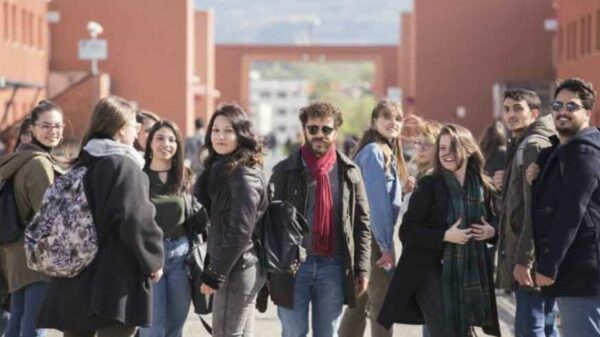
This change isn’t just about comfort. There’s a certain unspoken dress code that dictates that in the fall, it’s time to wear light shirts, leather jackets, and stylish scarves to face the first chill.
The expression “dress in cipolla”, which means “dressing like an onion”, symbolizes the idea of wearing layers of clothing that can be removed or added throughout the day, depending on the temperature changes. It is a way to protect yourself from the changes in the weather and, at the same time, maintain your style.
Preparing for winter
Additionally, there is a “second stage” of this transition that occurs in December, when winter clothing, such as down jackets, (piumini) and wool sweaters come into play to reinforce autumn choices. Even though the Italian cold is not as intense as in other countries, it is common to see Italians wearing hats and gloves as a sign of professional status and style.
Climate change and the wardrobe
Climate change, however, has affected this wardrobe change ritual. The unpredictable weather, with long summers and milder winters, makes it increasingly challenging to adapt clothing to the seasons.
This has led many Italians to question the usefulness of certain traditional items, such as leather jackets and dusters, which were common in the past, but now only come out of the closet on rainy days.
The tradition of Italian fashion
Even with the uncertainties of the weather, changing one's wardrobe remains an important event in the lives of Italians.
For many, this process represents a way to stay organized and prepared for the changing seasons, as well as an opportunity to acquire new fashion pieces, which, for most, is essential to maintain status and style.
Fashion in Italy is more than an aesthetic choice, it is a deeply rooted cultural issue. (deposit photos)
FOLLOW ITALIANISM