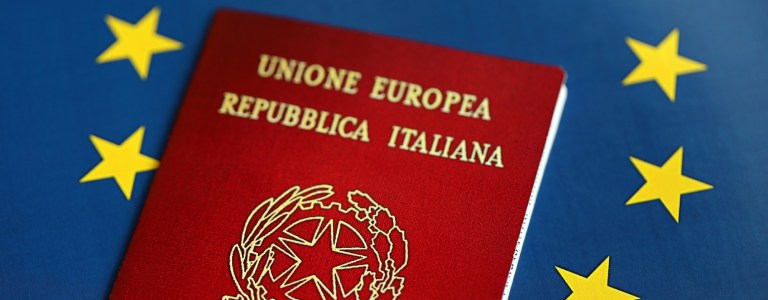











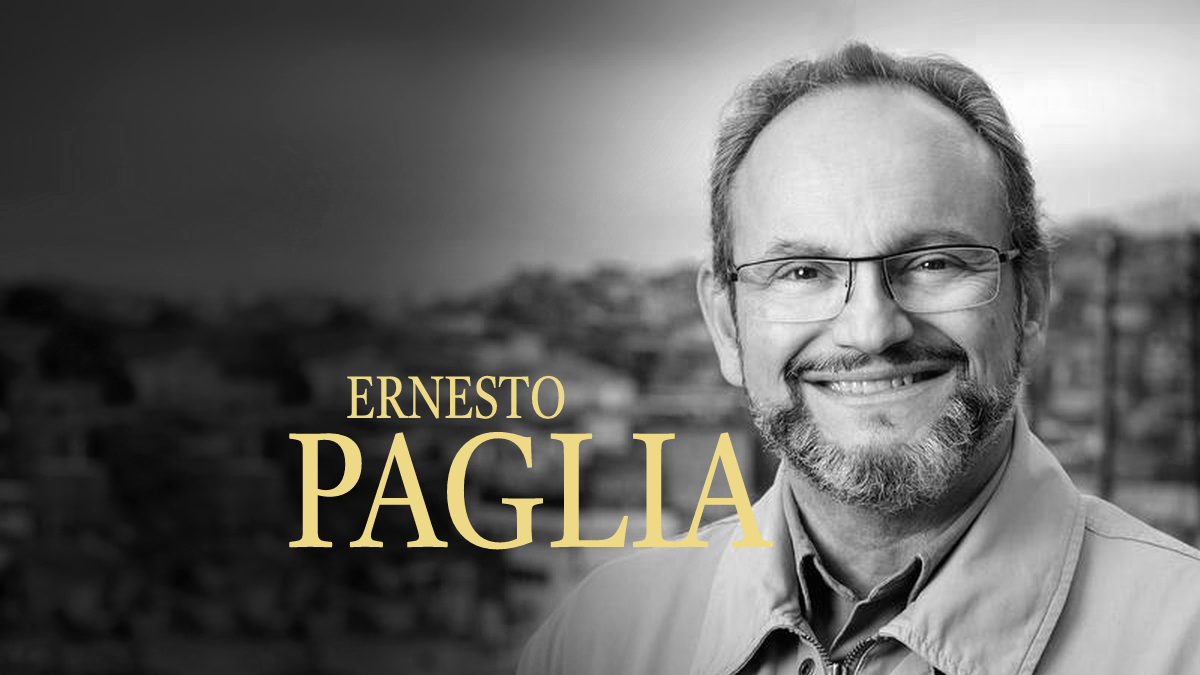
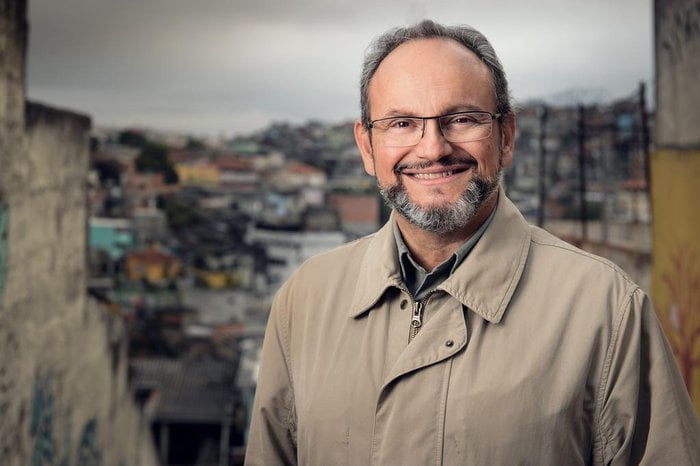
Ernesto Paglia anunciou na última semana de 2022 seu desligamento da TV Globo, após 43 anos de serviços prestados à emissora. Um dos maiores jornalistas do Brasil, seu sobrenome italiano tem forte presença nas regiões do Lázio e da Sicília.
Segundo o site Cognomix, o sobrenome Paglia deriva de apelidos ligados à palavra “palha” e, portanto, ao comércio ou à proximidade de locais com muitos celeiros.
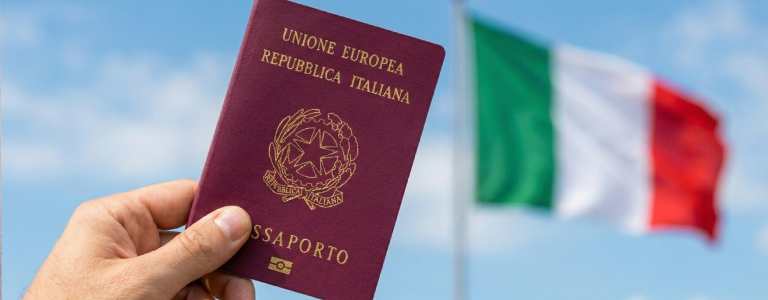
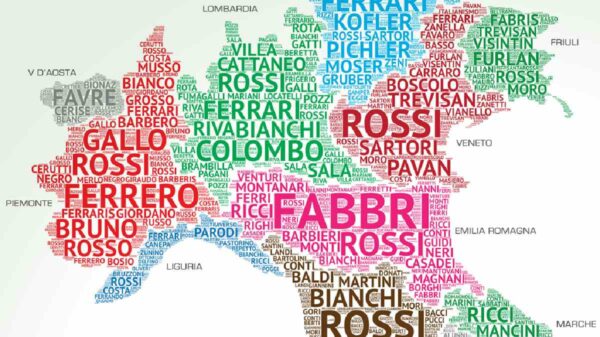
O sobrenome Paglia está espalhado por toda a Itália. Entre suas variantes, Pagli é toscano; Paietta tem possível linhagem na província de Varese; Paiola é sobretudo do Vêneto; Paiotta, raro, tem alguma presença na Puglia e Pajetta é da Lombardia e do Vêneto.
Popularidade
Existem aproximadamente 2252 famílias Paglia na Itália, sendo as regiões com mais ocorrências as seguintes: Lázio (609), Sicília (361) e Emilia-Romagna (300).
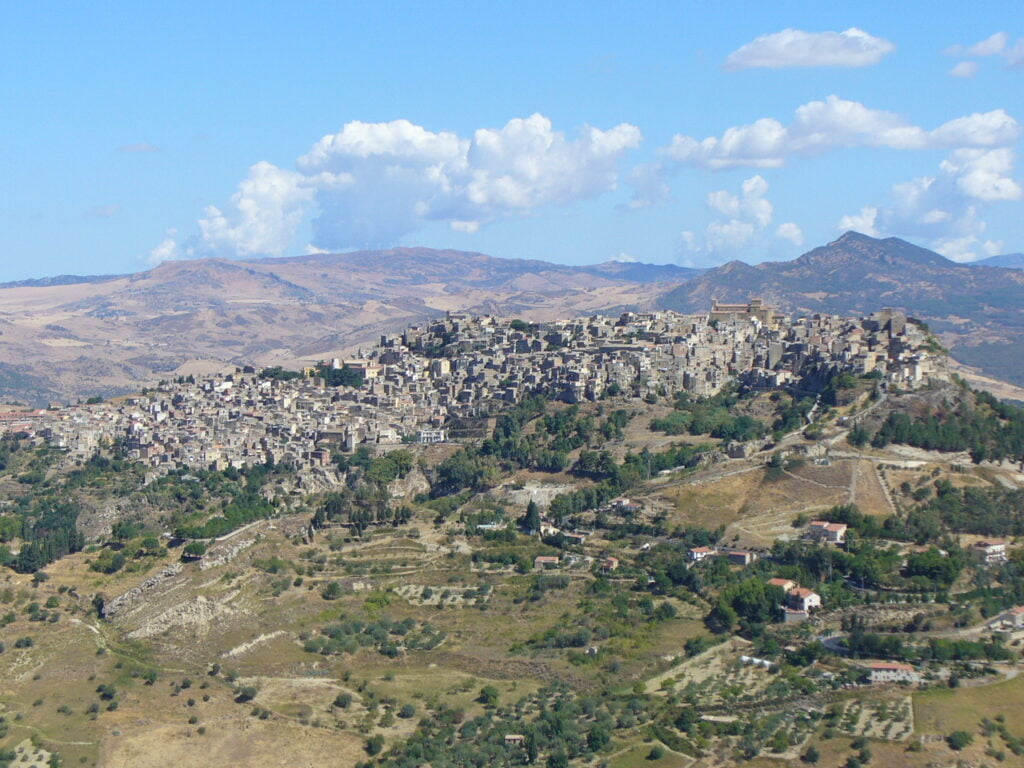
O sobrenome Paglia é o 354º em popularidade na região do Lázio, o 49º na província de Enna (região da Sicília) e o mais popular na cidade de Calascibetta, também localizada na província de Enna, na Sicília.
Trajetória de Ernesto Paglia
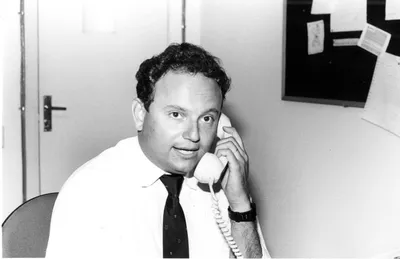
Ernesto George Paglia nasceu em São Paulo no dia 9 de abril de 1959, filho do jornalista italiano Gerardo Paglia e da argentina Haida Alcira Frias Paglia.
Quando tinha apenas 11 meses, sua família se mudou para a Argentina, terra natal da mãe. No entanto, três anos depois, seu pai conseguiu emprego em um dos jornais dos Diários Associados e a família voltou para São Paulo. Na juventude, Ernesto Paglia e sua família moraram em Ribeirão Preto, interior do estado de São Paulo.
Aos 17 anos, Ernesto foi para a capital e se formou em jornalismo na Universidade de São Paulo (USP). Ele também cursou Ciências Sociais na mesma universidade, embora não tenha se formado. Em 1979, conseguiu seu primeiro emprego, na Rádio Jovem Pan. Dois meses e meio depois, aderiu à greve dos jornalistas de São Paulo e foi demitido.
O início na Rede Globo
Mas a greve não rendeu somente decepções. Se uma porta se fechou, outra se abriu, justamente por conta de pessoas que conheceu durante o movimento, como o jornalista Carlos Monforte, da Globo de São Paulo.
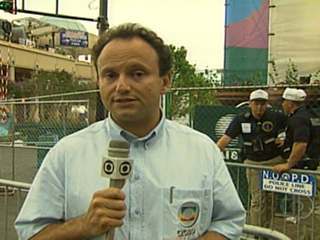
Foi Monforte quem o apresentou a Dante Matiussi, chefe de reportagem. Assim, sua carreira na emissora iniciou em junho de 1979. Seu horário era da meia-noite às sete da manhã, considerado a “porta dos fundos” na época.
Já a partir de 1980, Ernesto Paglia começou a trilhar seu caminho vitorioso na Globo, ao participar da cobertura da greve dos metalúrgicos de São Bernardo do Campo, liderada pelo então sindicalista Luiz Inácio Lula da Silva.
No mesmo ano, ele integrou a equipe itinerante da Globo que acompanhou a cobertura da primeira visita do Papa João Paulo II ao Brasil.
Em 1982, Ernesto Paglia foi enviado à Espanha para sua primeira cobertura de Copa do Mundo. Ele também cobriu as copas de 1986 (México), 1990 (Itália), 1994 (EUA), 2002 (Japão/Coréia), 2006 (Alemanha), 2010 (África do Sul) e 2014 (Brasil).
Na área de esportes, participou também das equipes enviadas pela Globo às Olimpíadas de Barcelona (1992), Atlanta (1996), Pequim (2008), Rio de Janeiro 2016 e aos Jogos Panamericanos do Rio de Janeiro (2007).
Globo Repórter e Londres
Ernesto Paglia foi designado em 1983 a integrar a equipe da Central Globo de Jornalismo que renovou a linguagem do Globo Repórter.
Ele trabalhou exclusivamente para o programa nos três anos seguintes. Em 1984, realizou uma reportagem-documentário sobre o cacique-deputado Mário Juruna, com direção de Mônica Labarthe e roteiro de Fernando Gabeira.
Em 1986, aos 27 anos, tornou-se um dos mais jovens correspondentes internacionais da Globo, baseado no escritório da emissora em Londres.
Enviado a Bagdá, cobriu o conflito Irã-Iraque. Ficou nessa função até 1989, quando retornou ao Brasil para trabalhar, prioritariamente, para o Jornal Nacional.
Voltou a ser correspondente em Londres no período 2000/2001, quando cobriu a Segunda Intifada Palestina e a invasão norte-americana ao Afeganistão.
Ernesto Paglia na Globo News
Em 1996, Ernesto Paglia contribuiu para a primeira grade de programação do novo canal de notícias Globo News. Nos três anos seguintes, formatou e comandou o programa semanal de entrevistas “Painel”.
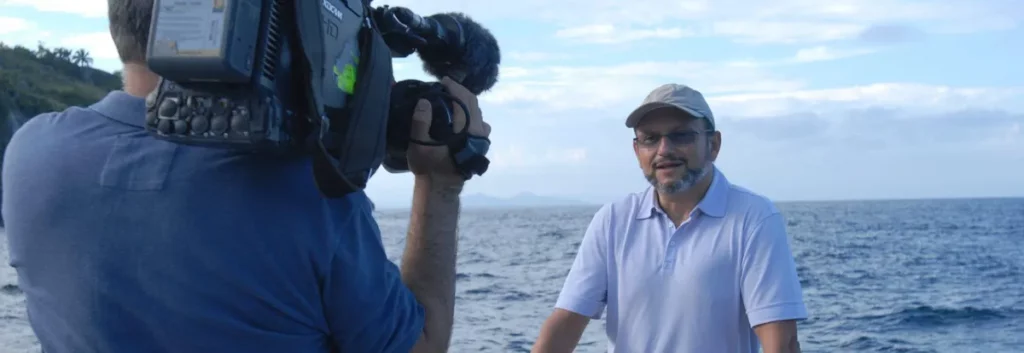
Entre 2010 e 2014, integrou a equipe que desenvolveu a primeira minissérie jornalística da TV Globo, o projeto Globo Mar. Com formato de documentário jornalístico, o programa era focado em assuntos relativos ao mar.
O trabalho à frente do Globo Mar foi reconhecido pela Marinha do Brasil com as condecorações “Ordem do Mérito Naval” (2011) e “Mérito Tamandaré”(2015).
Em 2010, nas cinco semanas que antecederam o primeiro turno das eleições presidenciais, trabalhou no projeto JN no Ar, que ia ao ar no Jornal Nacional.
Ernesto Paglia viajava a bordo de um jato executivo e, de acordo com a necessidade, de um turbo hélice, para um município sorteado a cada noite, entre os 26 estados e o Distrito Federal, para reportagens sobre os problemas locais.
Essa maratona em busca da realidade do país foi registrada no livro “O Diário de Bordo do JN no Ar – Cruzando o país numa cobertura histórica”, de sua autoria.
Prêmios
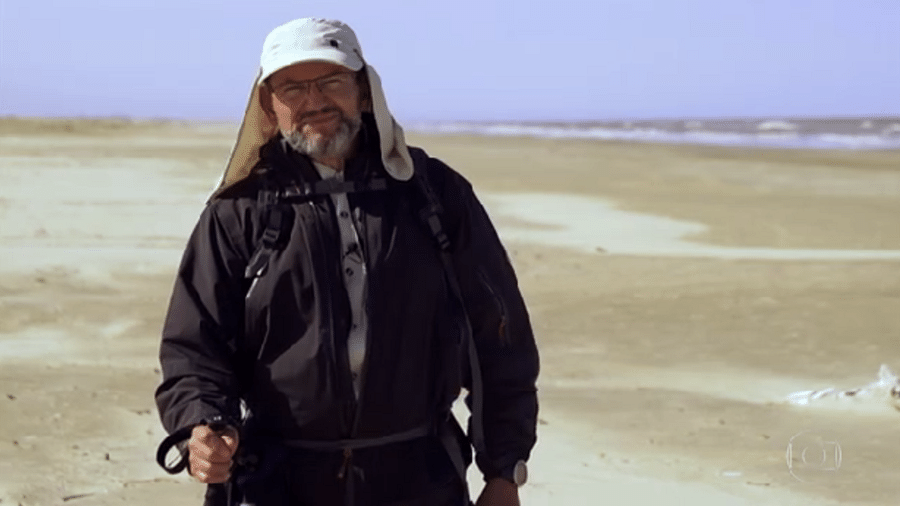
Ernesto Paglia recebeu o “Prêmio Comunique-se” na categoria melhor repórter de TV em 2004, 2007, 2009, 2011 e 2017, e o título de “Mestre do Jornalismo” pelo número de premiações acumuladas.
Ele também ganhou o Prêmio Internacional de TV de Sevilha, Espanha, em 1984, pela reportagem-documentário “Mário Juruna”, para o Globo Repórter.
Vida pessoal
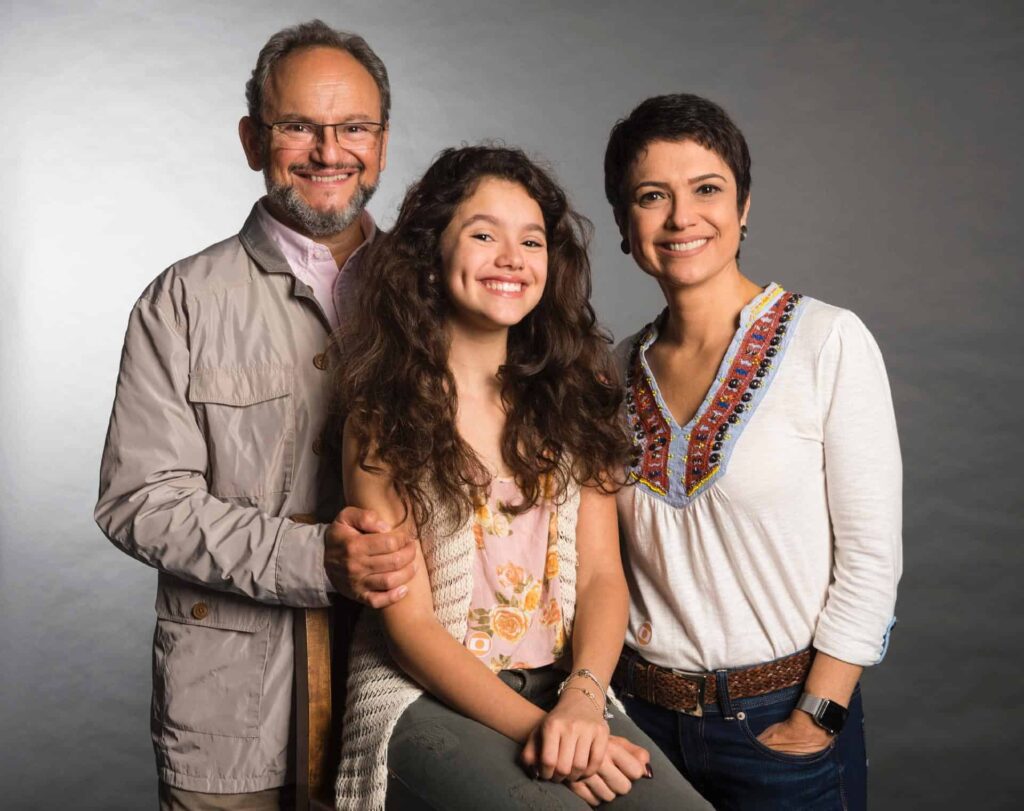
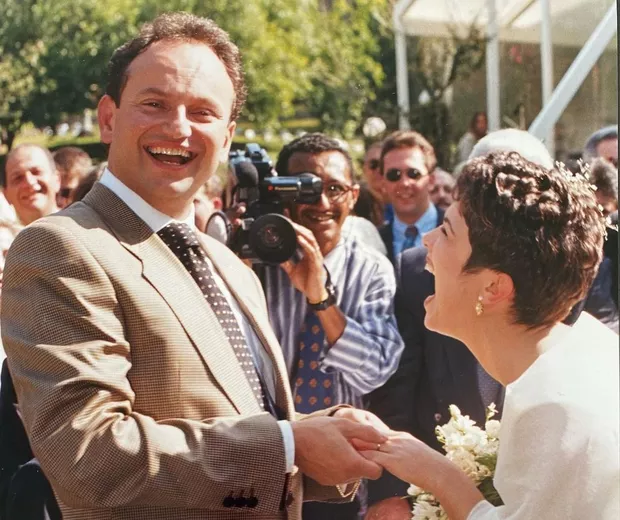
Ernesto Paglia é casado há mais de 26 anos com a também jornalista Sandra Annenberg. O casal é pai da menina Elisa Annenberg Paglia, de 19 anos.
Sandra publicou um texto em homenagem a Ernesto em suas redes sociais. Na mensagem, ela destaca que a parceria com seu marido começou no âmbito profissional, quando o diretor do programa Fantástico pediu que ela passasse a acompanhar “o melhor repórter da TV brasileira”.
Elisa Paglia também fez uma homenagem ao pai nas redes sociais. “Um profissional dedicado, que sempre deu seu melhor em tudo que fez. Sou quem eu sou hoje pelo exemplo que me deu em como tratar meus colegas, como me portar com elegância e, ao mesmo tempo, diversão. Tenho seu senso de humor, e eu espero, 1/4 da ética de trabalho que você tem”, escreveu a filha.