





























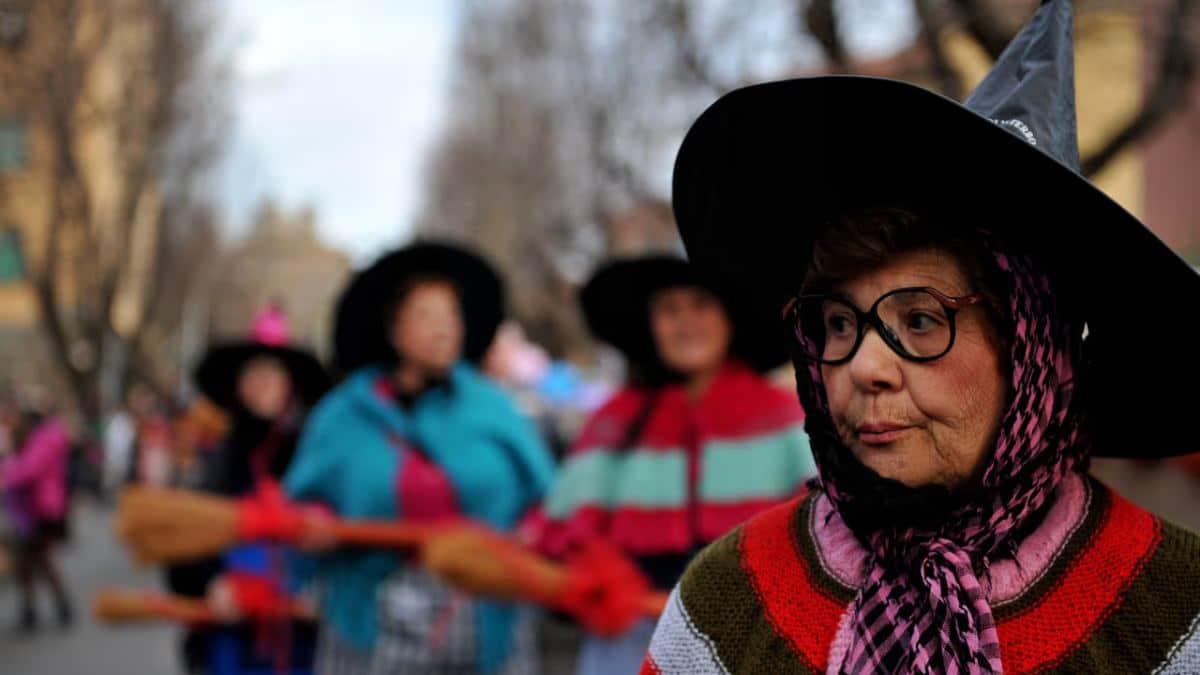
On January 6th, Italy celebrates Befana, a central figure in the Epiphany holiday. Tradition describes a hunchbacked witch who flies on a broomstick to reward children with sweets or punish them with "coal." (brown sugar)depending on their behavior in the previous year.

Although deeply linked to Catholic culture, the origin of Befana dates back to pagan rituals of Ancient Rome.
According to historians, the figure originated from female deities such as Diana, Satia, and Abundia, who flew over cultivated fields to bless the fertility of the soil.
With the rise of Christianity, these goddesses were banished and transformed into frightening-looking witches. The Church sought to superimpose the Christian celebrations of Epiphany onto the pre-Christian rituals of the beginning of the year and spring.
Centuries later, Befana found an unexpected defender in Benito MussoliniThe fascist dictator promoted the witch as a patriotic and thoroughly Italian alternative to Santa Claus, who was seen by the regime as an unwelcome "foreigner" in the country's culture.
In 1928, Epiphany was established as a national holiday and used as a propaganda tool.
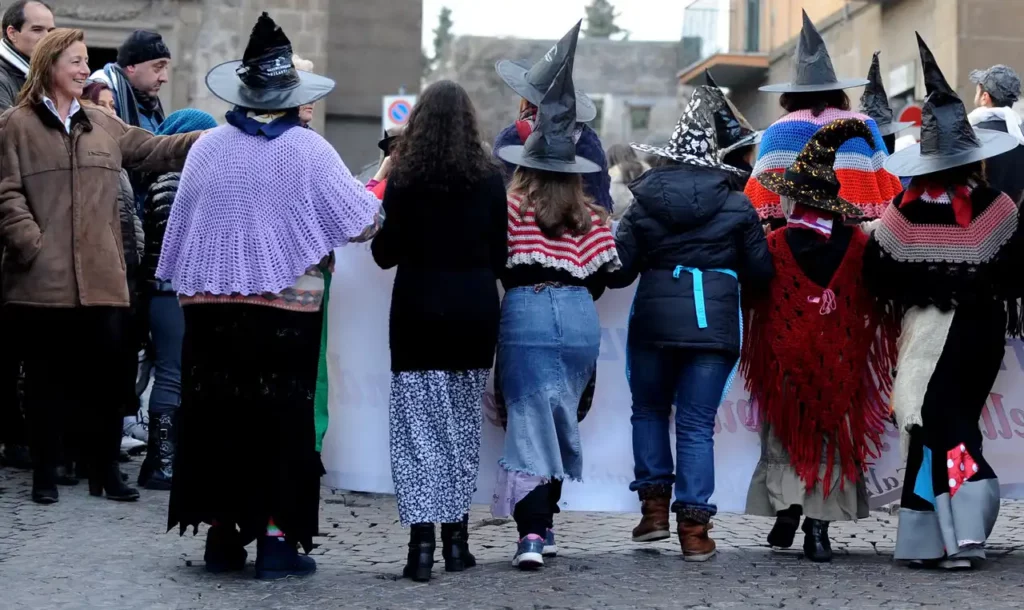
During the fascist regime, the image of Befana was linked to social welfare campaigns, encouraging families to donate clothes and toys to orphans and the poor.
This popularity survived the fall of fascism and the end of World War II, remaining to this day a beloved family symbol for Italians, marking the official end of the holiday festivities.
FOLLOW ITALIANISM