

















Easter arrives and the question is always the same: what are the typical Easter recipes in Italy?
Homemade pasta, seasonal vegetables, savory pies, cold cuts and cheeses, boiled eggs and, of course, lamb: these are the foods that characterize the Easter Sunday lunch in Italy.
A day of celebration that – despite the famous saying “Easter with whoever you want” (Pasqua con chi vuoi) – most Italians prefer to spend time with their family or loved ones, around a table set with dishes and decorations reminiscent of the colors of spring.
But what are the dishes that, according to tradition, cannot be missed at the Easter celebration? Here are the 10 most popular from north to south of the Peninsula.
Agnello / Lamb
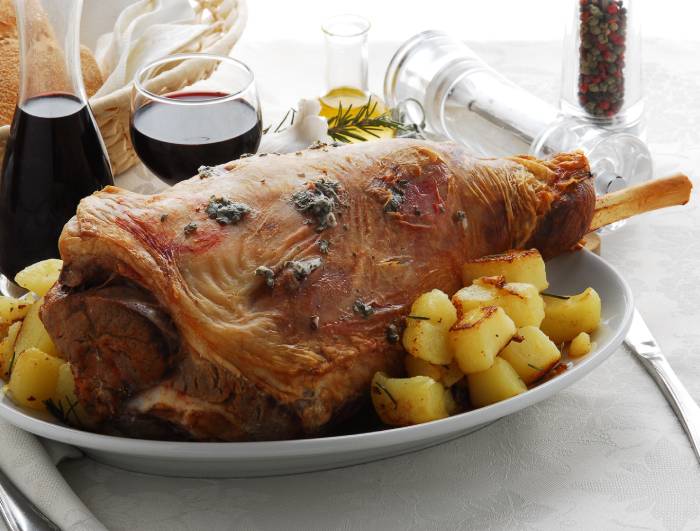
Throughout Italy, the main dish for Easter lunch is lamb, prepared in different ways depending on the region: roasted with potatoes in Piedmont, Friuli Venezia Giulia, Veneto and Campania, with rosemary and onion in Sicily, with “cheese and eggs” in Molise and Abruzzo and com cardoncelli – a wild vegetable with a thin and elongated shape, which grows spontaneously in spring – in Basilicata.
Its consumption is linked both to the Jewish Passover - before the exodus from Egypt, as prescribed by God to Moses, the people of Israel sacrificed a lamb and ate it roasted, along with bitter herbs and unleavened bread - to remember Christ's sacrifice in cross.
Homemade pasta
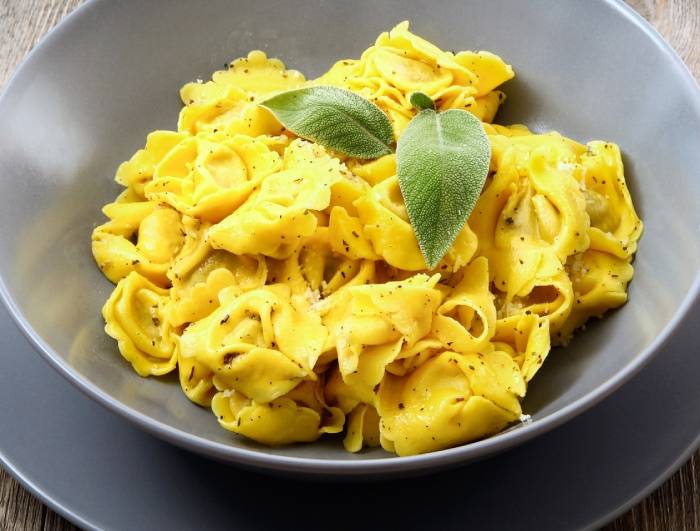
There are countless regions where, at Easter, you cannot miss a tasty homemade pasta dish, with the classic sfoglia all'uovo (sheet of dough with fresh egg), or simply with water and flour, according to local tradition.
Our Italy has a wide variety of shapes and fillings: thus, on Piedmontese tables, agnolotti stuffed with meat seasoned with butter and sage, in Emilianos the green lasagna with bechamel and bolognese sauce, in Puglia the orecchiette with artichokes and almonds, in Sardinia, “pillus” – similar to tagliolini – cooked in meat or sheep broth.
Eggs
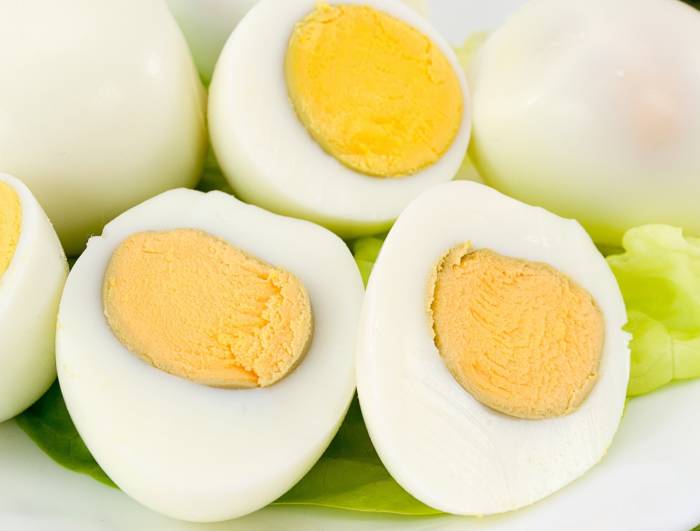
Until a few years ago, on Easter morning, it was common to take boiled eggs to church to bless them and then eat them during lunch.
Although this custom only exists today in a few small villages, boiled eggs continue to be one of the most representative Easter foods in the Peninsula, accompanied by cured meats.
Associated with life since ancient times – so much so that the Egyptians, Phoenicians and Persians, in spring, exchanged eggs to celebrate the rebirth of nature –, with Christianity the egg became a symbol of the empty tomb after the Resurrection.
Casatiello
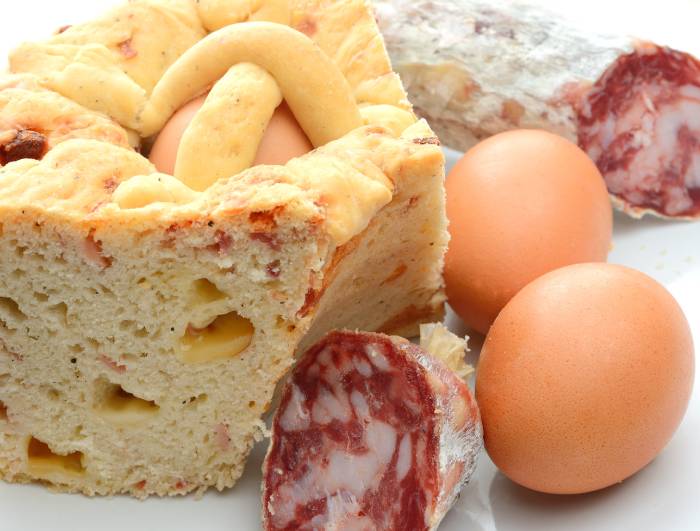
In Naples, each neighborhood – or rather, each family – jealously guards its own recipe.
Casatiello or tortano is a rustic cake filled with all kinds of “good stuff” (bacon, salami, boiled eggs and sweet or semi-spicy provolone, depending on your taste).
Traditionally eaten on Hallelujah Saturday night, it remains very soft for several days thanks to the presence of lard in the dough.
Pasqualina cake
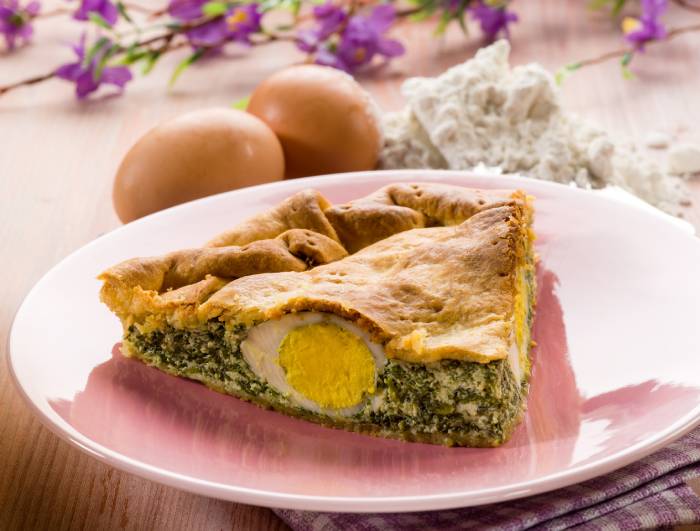
Invented in Genoa in the 33th century, it is a delicious pie made up of XNUMX sheets – according to the oldest recipes – in memory of the years of Christ.
One of the typical Easter recipes in Italy, it is stuffed with beetroot or artichokes, prescinseua Ligure (a fresh curd with a sour taste), eggs and marjoram.
Cheese pie
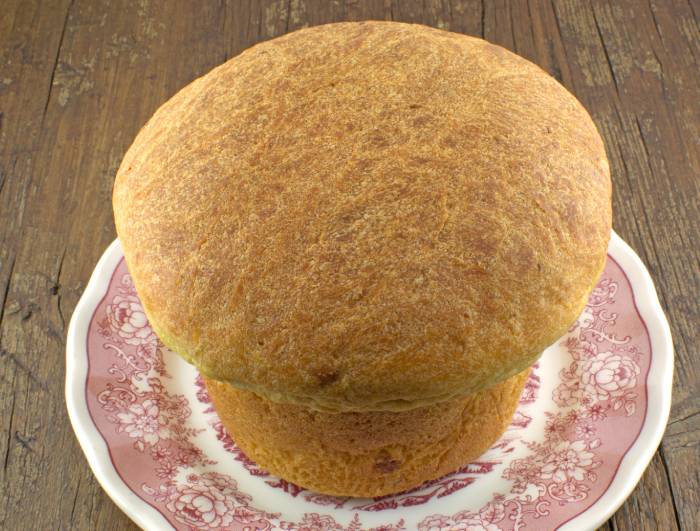
Dough consisting of flour, eggs, grated pecorino and parmesan, brewer's yeast, olive oil or lard, a little milk, salt and pepper, with a characteristic shape reminiscent of a Christmas panettone.
Umbrian cheesecake is eaten as a classic Easter breakfast, accompanied by cold cuts, cheese and boiled eggs.
It also belongs to the gastronomic tradition of the Marche region, where it is called “crescia".
Impanata Ragusana
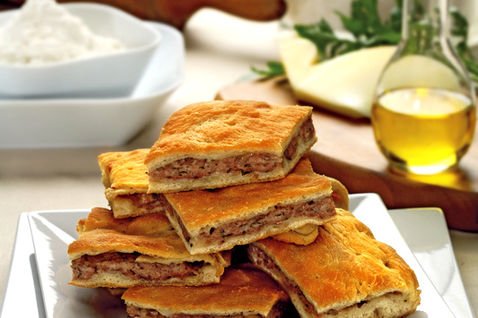
Present in Sicilian gastronomy since the times of Spanish rule, it is a focaccia made up of leaves that can be stuffed in various ways, but at Easter they are stuffed with lamb or goat meat, cooked with red wine and tomato sauce.
Vegetables and broad beans
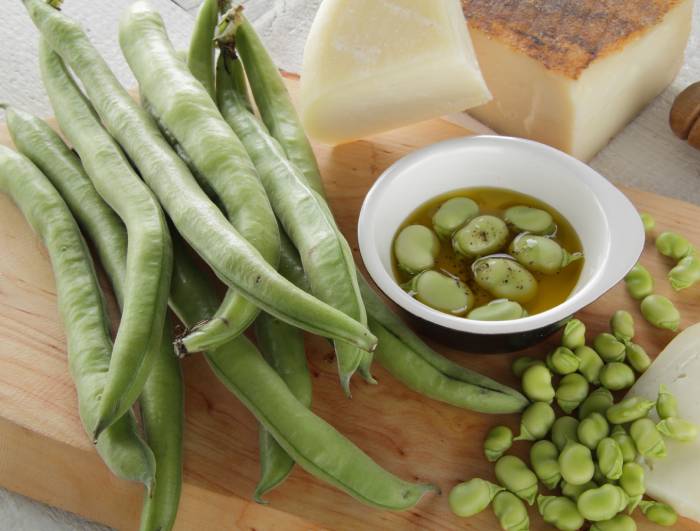
In spring, Italy offers an extraordinary variety of local products, often eaten at Easter lunch as an accompaniment to meat.
In Calabria and Sardinia, for example, lamb is served with potatoes, or with artichokes; in Apulia we find cardoncelli, cooked, fried in olive oil and garlic and seasoned with cherry tomatoes, a pinch of grated pecorino and beaten eggs.
Fresh fava beans are also a must in Rome and throughout southern Italy, served with pecorino cheese, salami, and pancetta.
Brasato al Barolo / Roasted in Barolo
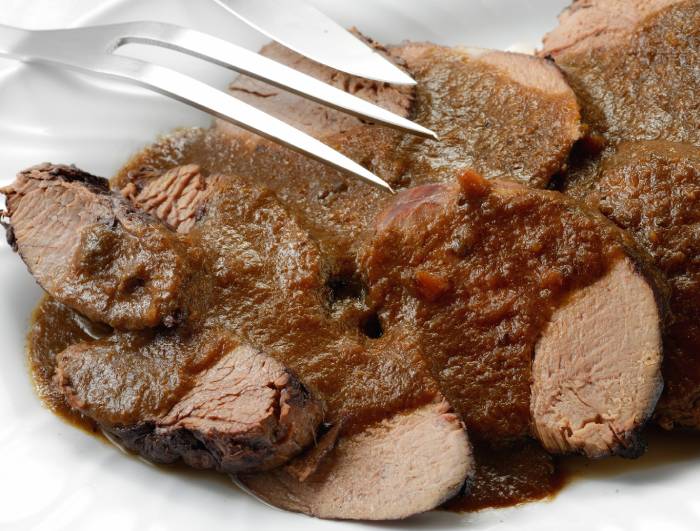
Piedmont is perhaps the only Italian region where the second Easter dish is not lamb, but meat roasted with Barolo wine.
It is a stew made with meat from the Fassone breed, raised in the mountainous area of Langhe, marinated for at least half a day in precious red wine – together with celery, carrots, onions, juniper berries, cloves and cinnamon – and cooked in the same liquid for two hours on very low heat.
The aromatic herbs are then mixed and added back to the meat, which must cook for another half hour and then can be served, usually with mashed potatoes or polenta.
Affettati / Sliced
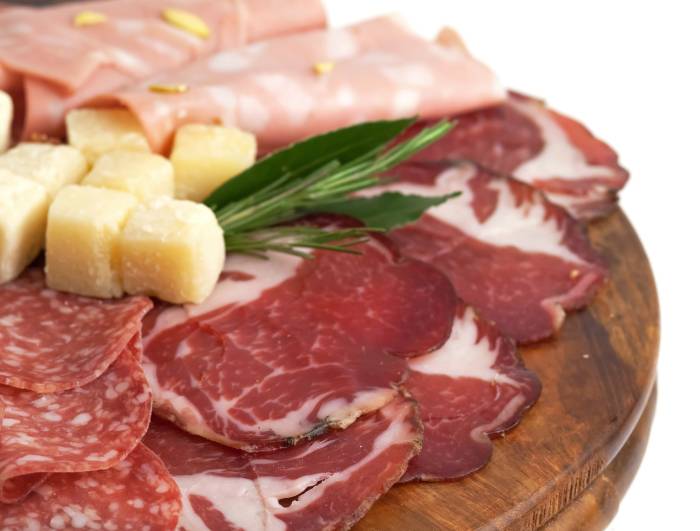
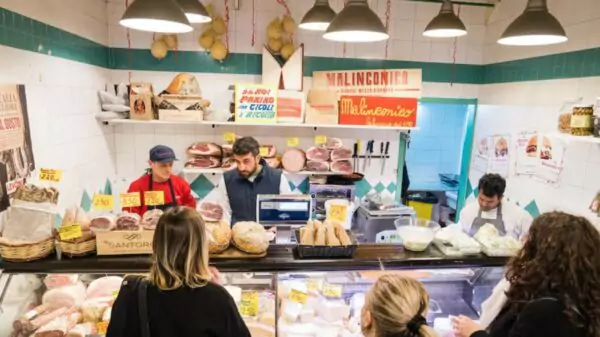
Soppressata, salami, capocollo, raw ham, pork loin, pancetta and porchetta: cured meats, pride of Italian cuisine abroad, are another essential element of Easter lunch – or breakfast in Central Italy – served as an aperitif with boiled eggs .
In Campania, the “cold cuts board” is called “fellata” and also includes salted ricotta, a particular type of ricotta, dry and with a strong flavor, widespread in southern regions.
These are the 10 typical Easter recipes in Italy, but there are many others depending on the region.
Read also