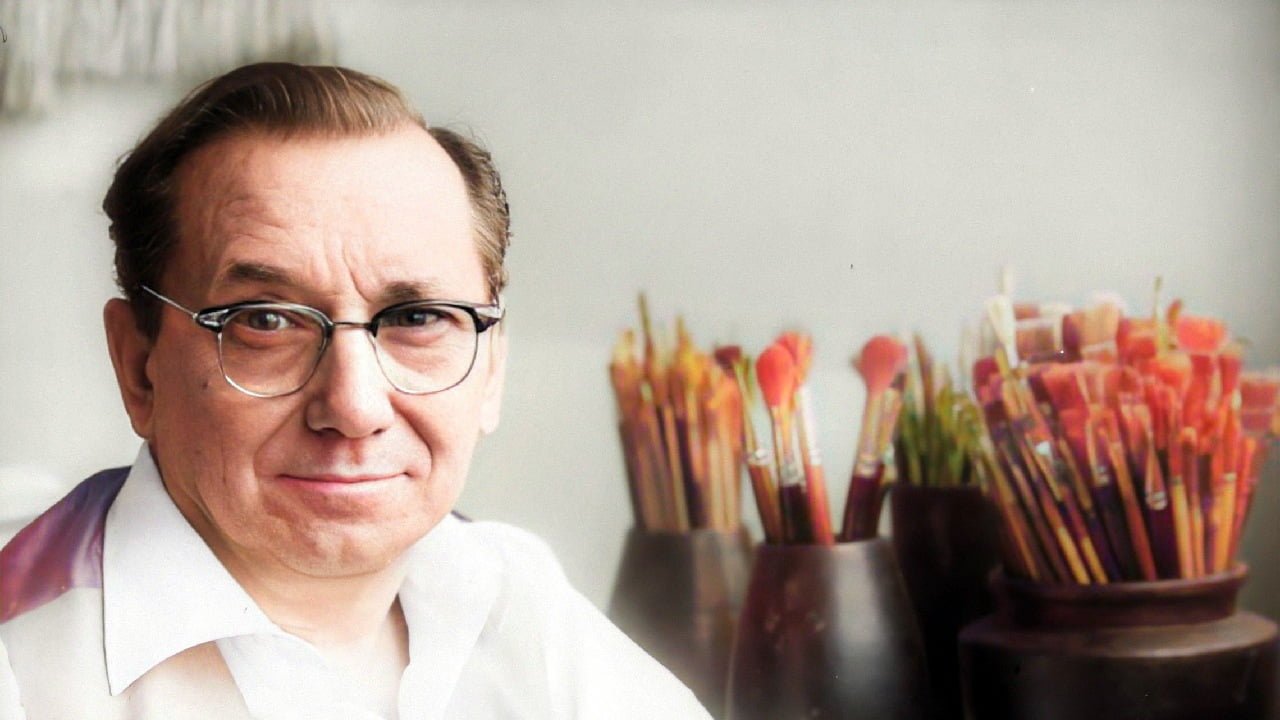
A série Herança Italiana – Personalidades traz neste domingo a trajetória do artista Candido Portinari, pintor brasileiro que entrou para a história como um dos principais nomes do Modernismo.
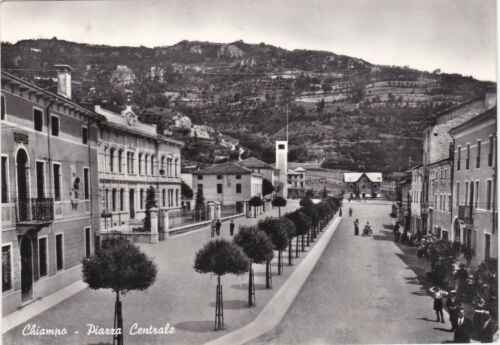
Portinari era filho dos imigrantes italianos Giovan Battista Portinari e Domenica Torquato, que chegaram ao Brasil no final do século 19, vindos da cidade de Chiampo, na província de Vicenza, região do Vêneto.

Assim como milhares de imigrantes italianos, Giovan e Domenica vieram para o Brasil devido à grave crise pela qual passava a Itália naquela época.
Unificação da Itália
Após mais de 20 anos de lutas pela unificação do país, a Itália passava por sérias dificuldades socioeconômicas. As batalhas armadas para expulsão dos invasores provocaram destruição de cidades e prédios imprescindíveis para recuperação social do país.
Algumas escolas, igrejas e prédios públicos e privados foram bastante atingidos, principalmente no Vêneto, onde moravam Giovan e Domenica, primeira região ocupada pelos austríacos e última a ser libertada.
Ao mesmo tempo, na virada do século 19 para o século 20, países da América do Sul ofereciam boas condições para os imigrantes. O Brasil, por exemplo, precisava atender a crescente demanda de mão-de-obra para o trabalho nas fazendas de café nos estados do Sudeste e do Sul do país.
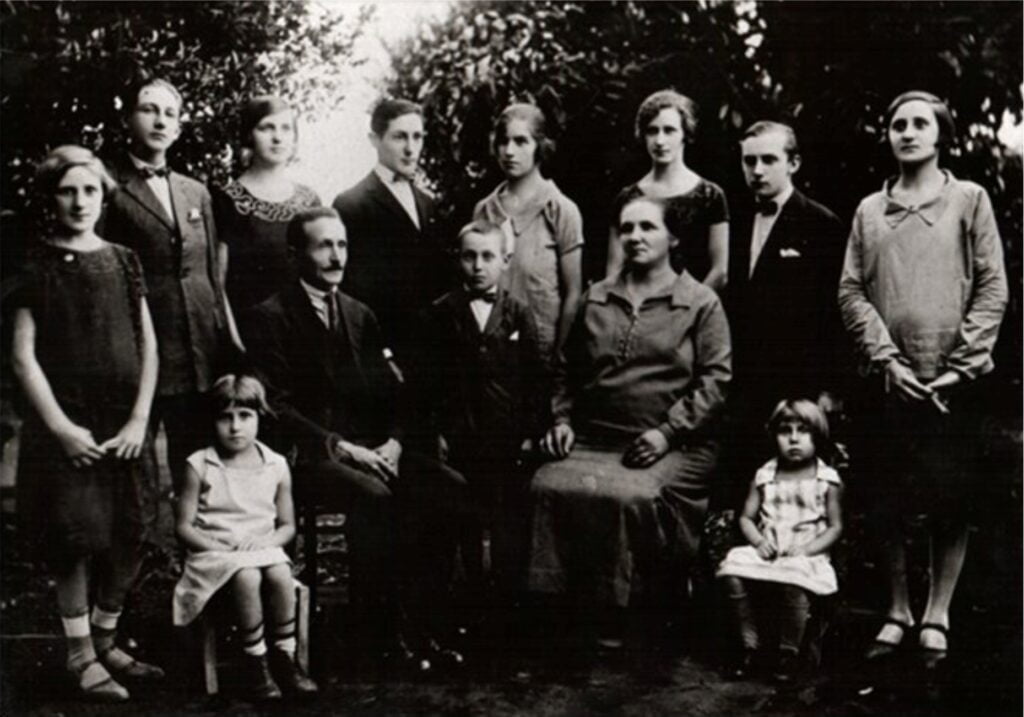
Família Portinari na lavoura
Sendo assim, as famílias de Giovan e Domenica atravessaram os mares Mediterrâneo e Atlântico e se dirigiram para a região de Ribeirão Preto, já considerada como capital do café, se instalando na cidade de Brodowski, ele com treze anos e ela com seis anos.
Após algum tempo de adaptação, com os familiares vindo da mesma cidade na Itália, e formando a colônia italiana na região, os dois se casaram cedo, instalando-se na Fazenda Santa Rosa, localizada na zona rural.
O casal se adaptou muito bem à fazenda Santa Rosa, com Giovan Battista trabalhando na lavoura de café e Domenica cuidando das tarefas da casa na colônia, a exemplo do que ocorria em outras famílias italianas.
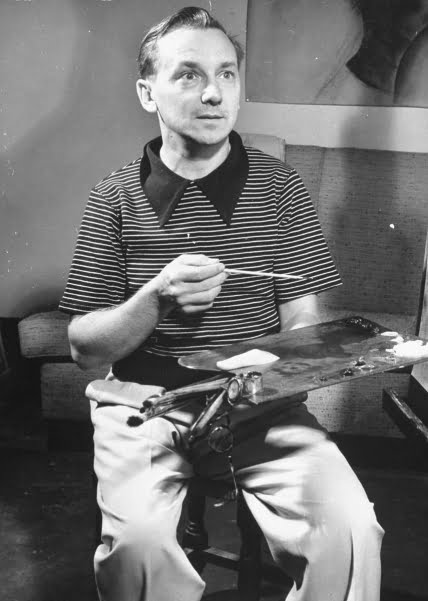
Nasce Candido Portinari
Eles tiveram 12 filhos, sendo que o segundo nasceu em 30 de dezembro de 1903 e recebeu o nome de Candido. Quando nasceu, recebeu o apelido carinhoso de Candinho, pela sua aparência franzina.
Aos seis anos, Candido Portinari já começava a desenhar. Não concluiu o curso primário e, aos 14 anos, participou da restauração da Igreja de Brodowski.
Com 15 anos, Portinari foi para o Rio de Janeiro e se instalou na casa de parentes. Ingressou no Liceu de Artes e Ofícios, mas a cidade grande não lhe fascinou e resolveu retornar para Brodowski.
No entanto, aos 18 anos, acabou retornando para o Rio de Janeiro e ingressou na Escola Nacional de Belas Artes.
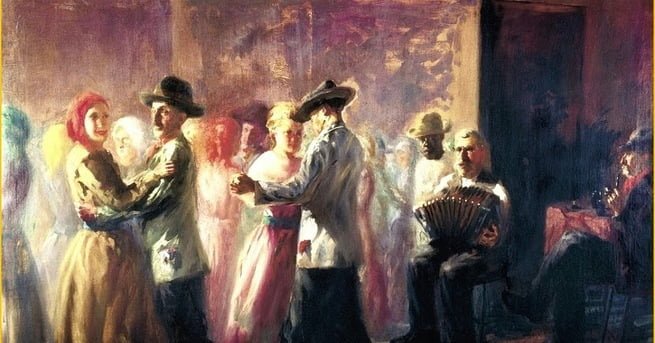
Os primeiros passos
Em 1921, vendeu a tela Baile na Roça, que havia pintado assim que chegou à cidade. Em 1922, expôs no Salão da Escola de Belas Artes. Em 1923, sua obra Retrato de Paulo Mazuchelli ganhou os três prêmios do Salão.
Portinari recebeu do diretor da escola o direito de escolher seus professores. Em 1928, apresentou suas obras no Salão e conquistou o Prêmio Viagem para o Exterior com o retrato de Olegário Mariano.
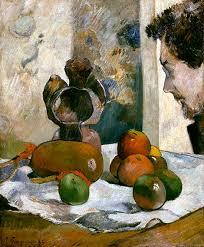
Candido Portinari viajou para a Europa e visitou a Itália, Inglaterra e Espanha e se estabeleceu em Paris, na Rue du Dragon, entre os museus de Luxemburgo e Louvre. Em 1930, se casou com a uruguaia Maria Martinelli. Durante dois anos em Paris, produziu apenas três naturezas-mortas.
Em 1931, voltou ao Rio de Janeiro e em seis meses pintou quarenta telas. Nesse mesmo ano, foi convidado por seu antigo colega da Escola de Belas Artes e então diretor da Academia, o arquiteto Lúcio Costa, para participar do Salão.
Premiação internacional
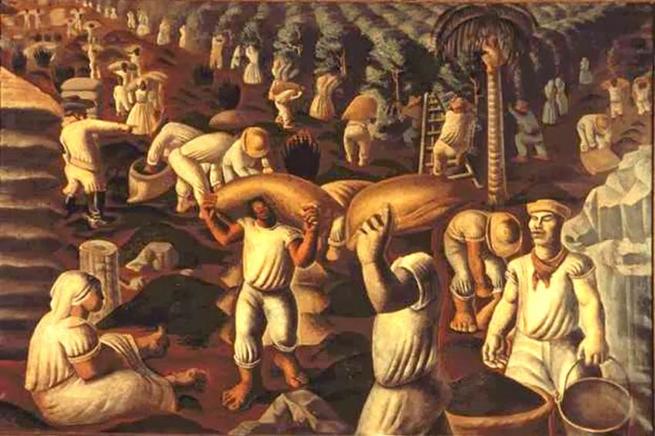
Em 1932, Portinari realizou uma exposição individual no Palace Hotel, no Rio. A partir de então, se concentrou na temática social e na busca de exprimir a terra brasileira. A tela O Café (1934) define essa fase.
Em 1935, a obra foi premiada na Exposição Internacional de Arte Moderna, promovida nos Estados Unidos pela Fundação Carnegie. Portinari tornou-se o primeiro pintor modernista premiado no exterior.
O realismo de Portinari começou a tender para o monumental e os motivos da exaltação do trabalho braçal e da exaltação homem-terra ganharam primazia em suas obras.
Ainda em 1935, foi convidado a lecionar pintura mural no Instituto de Arte da Universidade do Distrito Federal. Entre seus alunos estava Burle Marx, o futuro paisagista de renome.
Portinari no mundo
Em 1936, pintou afrescos do Monumento Rodoviário, na estrada Rio-São Paulo. Entre 1936 e 1945, pintou nove painéis para o novo prédio do Ministério de Educação e Cultura, com temas dos ciclos econômicos do Brasil, como Algodão, Carnaúba, Borracha, Cana de Açúcar, Cacau, Pau-Brasil e Fumo.
Em 1939, Portinari criou três painéis para o pavilhão brasileiro na Feira Mundial de Nova Iorque. Nesse ano, nasceu seu filho João Candido. Em 1942, pintou os afrescos da Biblioteca do Congresso, em Washington, capital dos Estados Unidos.
Em 1944, foi convidado por Oscar Niemeyer para decorar a capela da Pampulha em Belo Horizonte, capital de Minas Gerais. Pintou também o São Francisco e as 14 cenas da Via Sacra.
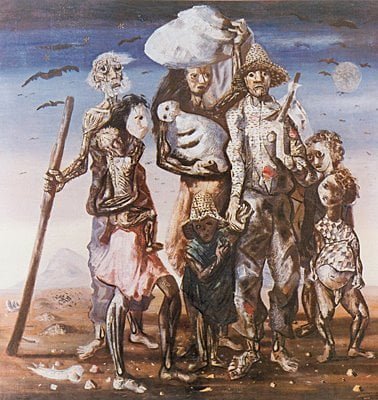
Em consequência das objeções estéticas, durante anos a Igreja recusou a consagração do templo. Também dessa fase é a série Retirantes (1946), com seus personagens esquálidos, mutilados e maltrapilhos, que foi exposta em Paris e teve uma das telas adquirida pelo Museu de Arte Moderna.
Guerra e Paz
Em 1940, Portinari pintou o grande painel Tiradentes para o Colégio Cataguases, em Minas Gerais. Em 1952, criou o painel A Chegada da Família Real Portuguesa à Bahia.
Nesse mesmo ano, começou o estudo para a elaboração dos dois grandes painéis Guerra e Paz, da sede da Organização das Naçõs Unidas (ONU) em Nova Iorque, que foram concluídos somente em 1956.
Nos últimos anos da década de 1950, o Modernismo brasileiro deu um passo além do expressionismo, mas Portinari permaneceu fiel ao seu estilo, uma vez que o abstracionismo pusera em crise todo o seu mundo estético.
Em 1960 nasceu sua neta Denise, que passou a ser tema de seus últimos trabalhos – uma série de retratos que denotam influência cubista.
Candido Portinari morreu no Rio de Janeiro, no dia 6 de fevereiro de 1962, vítima de intoxicação das tintas que utilizava.
Newsletter
Últimas do Italianismo
Todo dia, às 18h, um resumo do que aconteceu na Itália direto no seu e-mail.
É gratuito e você cancela quando quiser.