































The country is preparing to go to the polls within two months. Will Renzi be the next side effect?

Few anticipated that a qualified majority of the British population would vote in favor of leaving the European Union (Brexit) in the June 23 referendum. But that is what happened, in the same way that, to the surprise of many, a majority of Colombians voted against the peace agreement between the Government and the FARC a week ago, on the same day that less than 50% of Hungarians showed up at the polls. to support the anti-immigration and anti-refugee reception plans defended by the Government of Viktor Orbán.
Several European and North American newspapers point out that these surprises could now be added to by the result of the December 4 vote in Italy, the day on which all voters in the country – and outside of it, including Brazil – are called to the polls to decide on a constitutional reform proposal presented by Prime Minister Matteo Renzi.
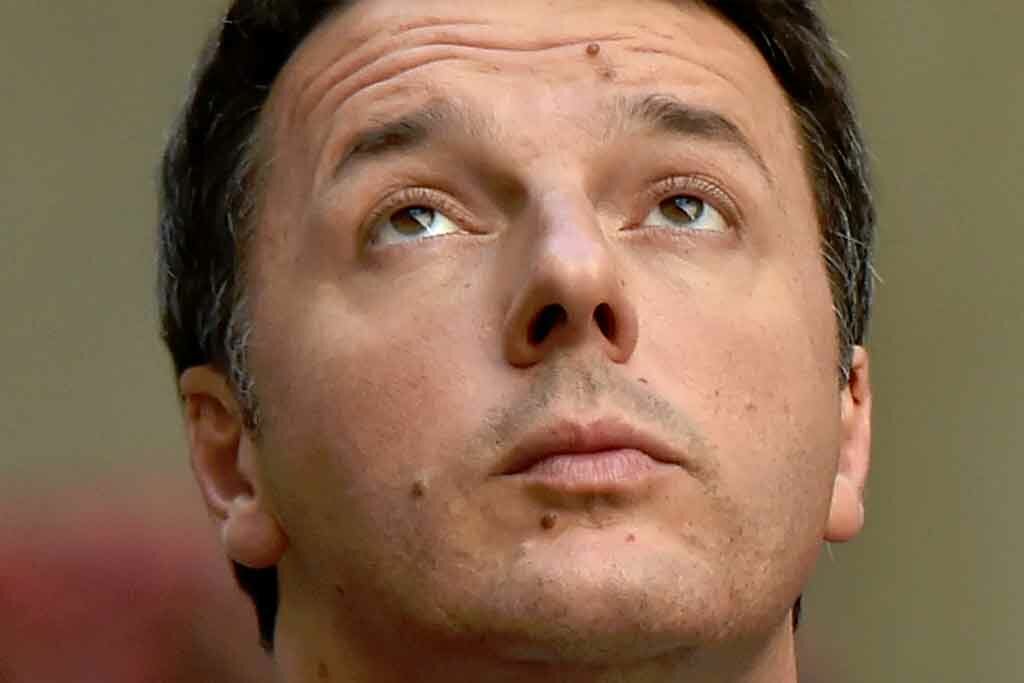
Once the repository of all reformist hopes after years of economic stagnation, Renzi risks being the next political casualty of a vote with unexpected and unwanted results, at a time when polls show that he faces strong opposition to the plebiscite and its government itself.
This week, the head of government went to Treviso, a city in northeastern Italy, to defend the complicated amendment to the country's Constitution, stressing to a packed auditorium that the December referendum will dictate Italy's future and path over the next three decades. . “If you want this country to change — not for me, not for you, but for the good of our children — if you want to have a simpler system, support me, because I can't do it alone,” he declared to those present. “If the referendum does not pass, whoever becomes prime minister in the next 30 years will be a slave to vetoes, blackmail and bureaucracy,” he warned.
It is a note of extreme importance that many newspapers and analysts had already attributed to this referendum during the summer. In mid-August, the “Wall Street Journal” stated that Italy's constitutional referendum is “more important” for Europe than the Brexit consultation, days before “La Repubblica” listed a series of news from the national press and that place Italy in the eye of the storm of the European economic crisis — especially because of the unexpected stagnation recorded in the second quarter of this year, after an apparent recovery from the technical recession in which the country found itself when Renzi took power.
At the same time, the “New York Times” and the “Financial Times” considered that Italy's weak economic performance increases pressure on Europe and the Spanish “El País” mentioned that a defeat for Renzi in the constitutional referendum could push the Union European Union towards a new crisis with unpredictable contours.
December's popular consultation focuses on a complicated reform to the Italian Constitution that provides for the removal of powers from the Senate, the upper house of the Italian parliament, which Renzi and his supporters defend as necessary to make governing the country easier. Critics of the proposal say that this reform — already approved by a majority of deputies, but not enough to avoid a popular vote — poses enormous dangers, as it leaves too many powers in the hands of the elected Executive that until now belonged to the State's legislative body.
[blockquote author=”” link=”” target=”_blank”]If the referendum does not pass, whoever becomes prime minister in the next 30 years will be a slave to vetoes, blackmail and bureaucracy[/blockquote]
As happened with the Brexit referendum, the Italian consultation is seen not only as a debate on the question raised, but above all as a test of Renzi's popularity, the economy, the status quo and the promises of political change that the prime minister presented in 2014. "The Guardian" He said this Friday, two months before the referendum, that "Renzi did not anticipate that voters would lose hope in him," but that is what happened. Displeased with the slow economic recovery and disillusioned with their leader's poor performance in the bailout of four Italian banks last year, many Italians accuse Renzi of favoring the political elite at the expense of ordinary citizens, taking refuge in anti-establishment parties such as the Five Star Movement, which in June achieved important victories in municipal elections, including in Rome, the capital.
“He thought that his personality and individual position would be elements that would favor the 'yes' vote [to the constitutional reform], but then he realized that, in reality, not only would they not strengthen the 'yes' vote, but they might even serve to strengthen the 'no' vote,” said Giovanni Orsina, professor of Contemporary History at LUISS University in Rome, quoted by the British newspaper. Because of this, the expert adds, Renzi “has spent the last few months trying to depersonalize the referendum, despite knowing that he shouldn't do it.”
Research shows how difficult it is to predict the outcome of the December vote. A survey by “Corriere della Sera” found this week that 23% of the electorate supports the reform, compared to 25% who oppose it and 52% of undecided voters or respondents who refused to answer the question. Another survey by the EMG institute showed a few days ago that 31% of Italians are in favor of 'yes', compared to 36% in favor of 'no' and 33% who are undecided. But here too, as with consultations in the United Kingdom, Colombia and Hungary, voting intention polls may be far from the truth. A truth that will only be revealed on voting day.
By JOANA AZEVEDO VIANA/EXPRESSO
FOLLOW ITALIANISM