



































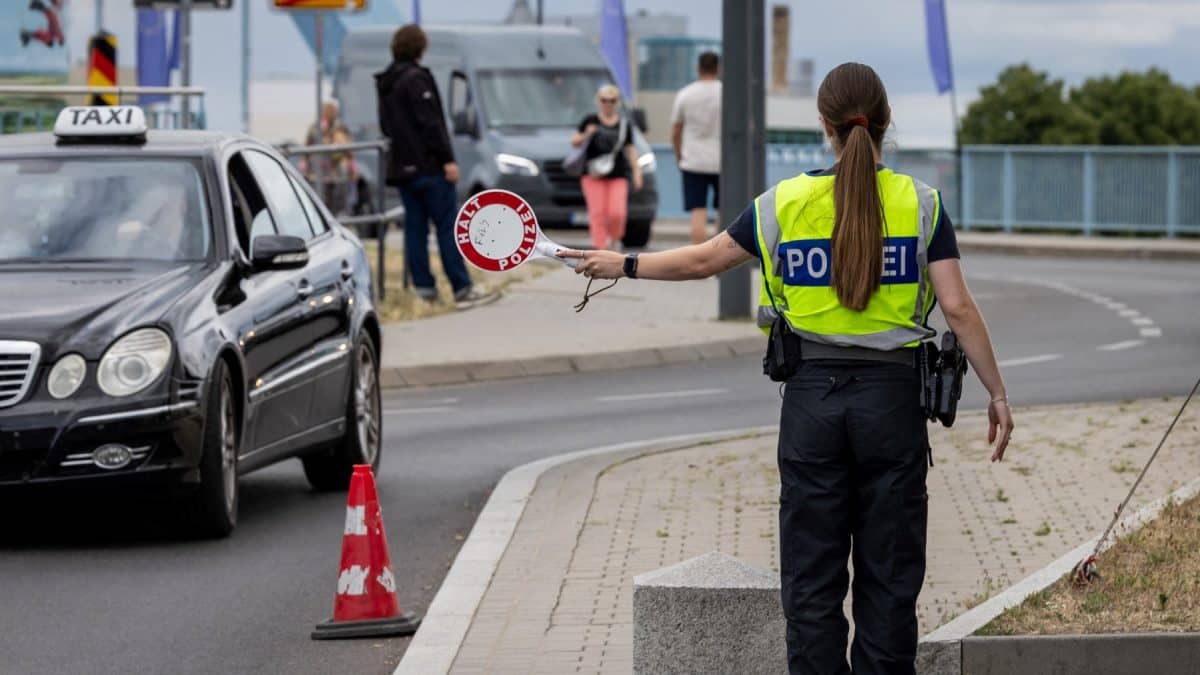
The European Commission asked nine countries in the Schengen area on Tuesday (2), among them Italy, gradually eliminate the controls they maintain at their internal borders. The recommendation also applies to France, Germany, Sweden, Austria, Denmark, Norway, Slovenia and the Netherlands.
The executive body of European Union The Commission argues that these checks are no longer necessary. According to the Commission, new migration rules and digital border control systems already fulfill this role.
Which systems replace the controls?
The Commission cites two instruments. The first is the Entry and Exit System (EES), which digitally registers the entry and exit of citizens from outside the EU and became fully operational in April of this year.
The second is ETIAS, an electronic authorization that short-stay travelers will need to obtain, upon payment of a fee, before entering the bloc. The system is expected to be in effect by the end of 2026.
"The European Union is implementing the biggest reform of our migration management system," he stated. Magnus Bruner, European Commissioner for Home Affairs and Migration. According to him, under these conditions, member countries can now work towards suspending internal controls.
What does European law say?
According to the bloc's rules, the Schengen countries They can reinstate internal controls in the face of serious threats to security or public order. In principle, these measures should not last more than two years, although extensions are possible.
Germany has maintained some form of border control almost continuously since 2015. In its opinion on the case, the Commission noted complaints from affected residents and businesses, especially workers who cross the border every day.
Impact for those traveling through Europe
The Schengen Area brings together around 450 million people. Every day, approximately 3,5 million cross internal borders to work, study, or visit family, according to the EU Council.
The recommendation does not include Switzerland, which reinstated controls until June 19 due to the G7 summit in Evian, France. During the same period, irregular border crossings detected within the bloc fell by 40% in the first four months of 2026.
(With information from AFP))