




































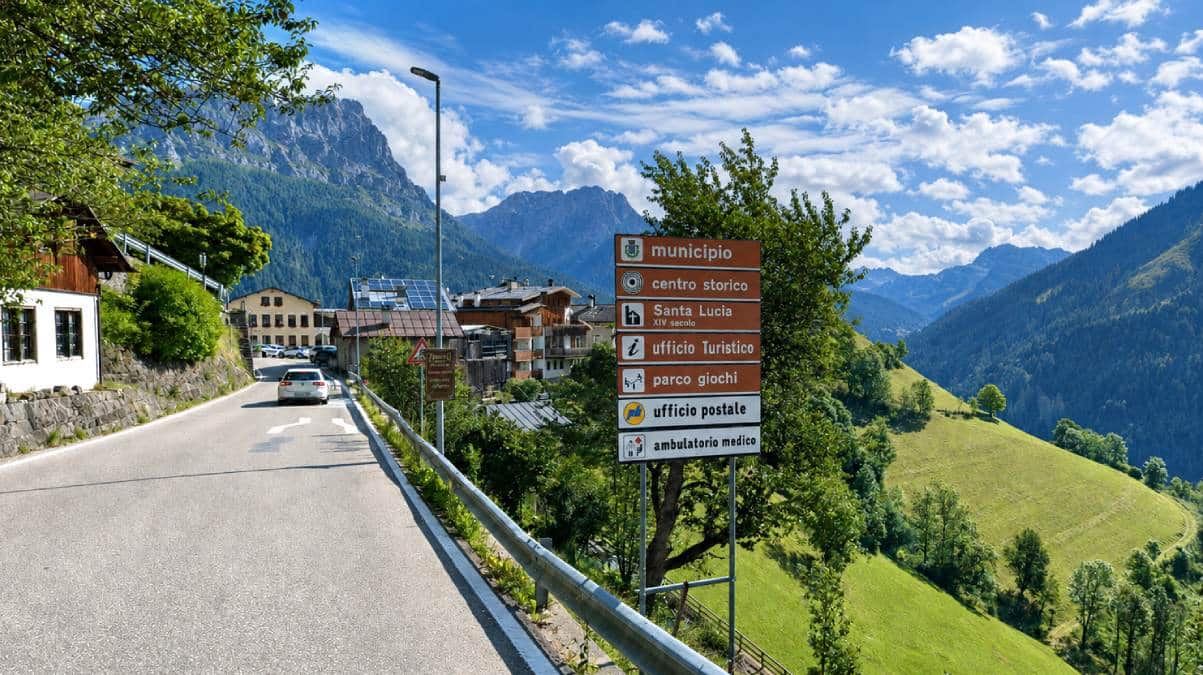
For some Italian municipalities, speed cameras (autovelox, in Italy) They became the main source of income. In Colle Saint Lucia, a village of just over 300 inhabitants in the Dolomites, in the Veneto regionA single device generated over 2 million euros between 2021 and 2025.
The amount equates to an average of 5.989 euros per resident. The survey, conducted by the consumer association Codacons based on data sent to the Ministry of the Interior, shows how small towns collect millions of euros in speeding fines.

The treasure of small towns
The criticism is nothing new. Corriere della Sera Remember that, for years, speed cameras have been accused of becoming "una sorta di bancomat per le amministrazioni locali" (a kind of ATM for local administrations).
The case of Colle Santa Lucia is not isolated. In Galatina, a town of about 26 inhabitants in the province of Lecce, in southern Italy, speed cameras guaranteed approximately 5,3 million euros in revenue by 2025. This figure surpasses that of several large Italian cities.
Adding together the revenue from Trepuzzi, Cavallino, Lecce, and the province, the total collected reaches 9,3 million euros. Another highlight is the Telesina state highway, which connects the Campania and Molise regions. The five municipalities with speed cameras along the road collected over 2,8 million euros together.
According to the survey, revenue depends less on population size and more on traffic intensity in each section.
Large cities collect less revenue.
The trend is the opposite in major urban centers. In 2025, the largest cities collected €56,5 million from electronic speed cameras, a decrease of 8,9% compared to the previous year.
Florence led the way with €19,7 million, followed by Bologna (€9,2 million) and Milan (€6,9 million). Rome experienced the largest decline among the major cities, with revenue falling from €4,8 million to €2,3 million, a drop of 52%.
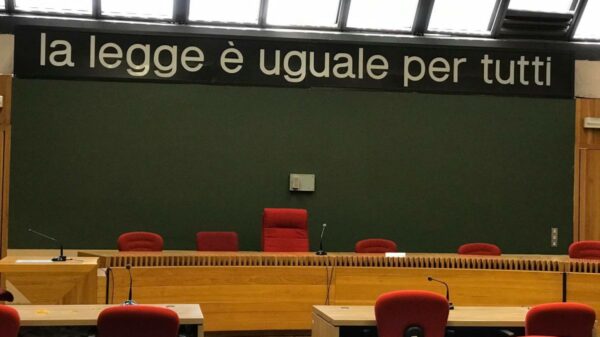
For Codacons, the stricter rules adopted in 2025 and the decisions of the Court of Cassation that annulled fines applied for approved but not certified devices weighed heavily. These are specific cases and do not constitute binding jurisprudence.
The impasse regarding the homologation remains unresolved. A decree from the Ministry of Infrastructure and Transport stipulates that speed cameras installed after 2017 should be considered automatically homologated, but the text has not yet been published in the Gazzetta Ufficiale. (the official Italian newspaper).
The Assoutenti association warns that legal experts are questioning the validity of this rule and that the number of appeals could increase on the eve of the summer exodus.