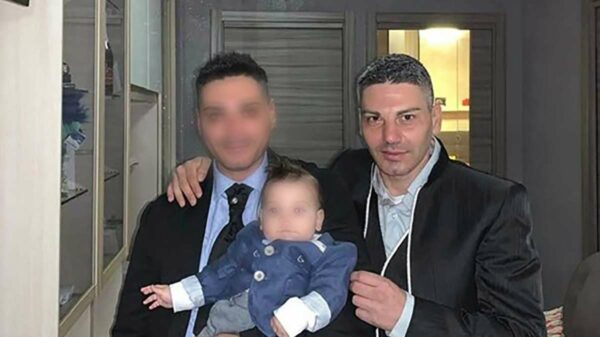






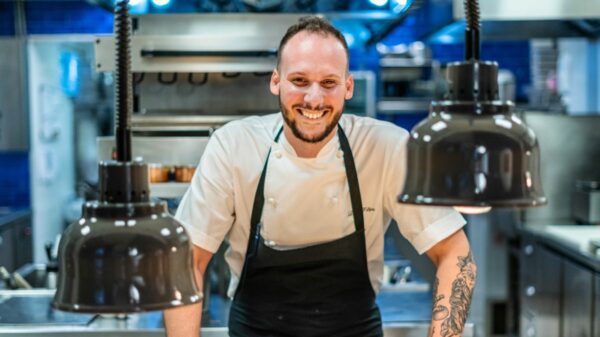




To help "put food on the table at home," Diego Silva dos Santos, 27, started working at age 14 in a mechanic shop after his parents' divorce, dividing his time with classes at a public school in São Paulo.
He postponed his dream of studying gastronomy, as he was unable to pay for college, the monthly fee for which was twice his salary.
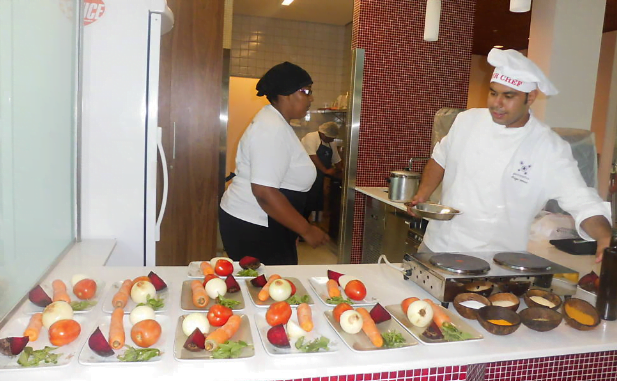
Everything changed when I discovered Gastromotiva, a social business founded by David Hertz, winner of the Social Entrepreneur of the Future Award in 2009, which trains low-income young people on a vocational course in gastronomy to enter the job market.
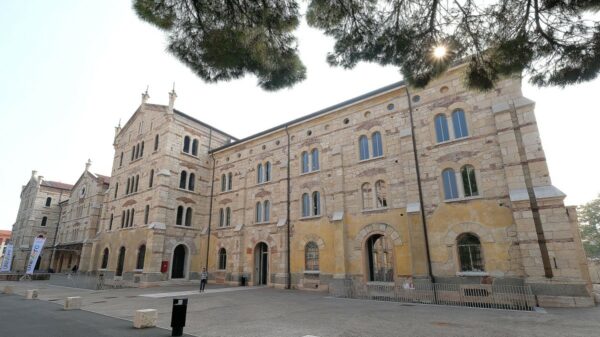
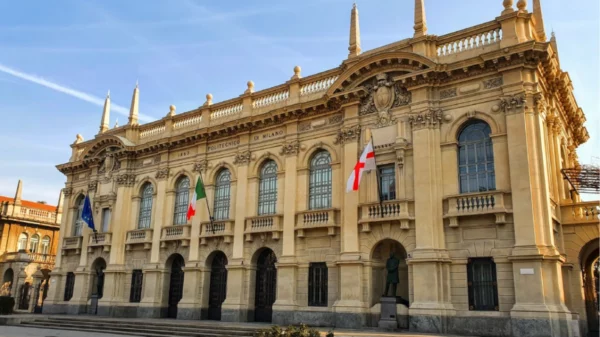
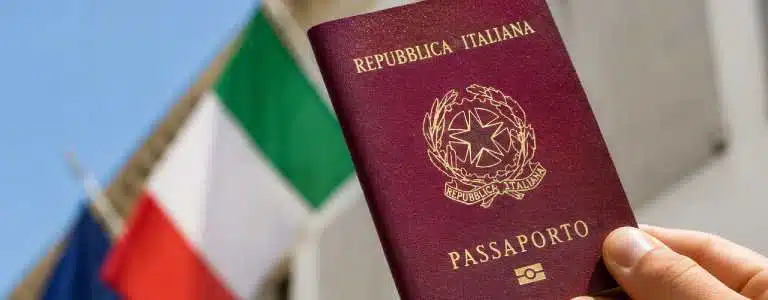
His journey to become a chef had begun. He worked in a few restaurants. He went to college and achieved what he thought was impossible: he studied gastronomic science in Italy.
“I want to return to Brazil, teach everything I’m learning and set up my own social gastronomy project”, he says.
Read Diego's statement below Sheet, straight from Italy.

Today I can say that I am a chef. Since I was 8 years old, I loved playing cooking. At 10, my parents divorced and the situation at home was very difficult for me, my sister and my mother.
When I was 14, I started working in an auto repair shop to help put food on the table. I studied until 12pm, then worked from 13pm to 18pm.
My mother, who was a housewife, had to work outside the home. She got two cleaning jobs, each for minimum wage.
At the time, child support for the three children was R$107 and the minimum wage was R$270.
At 16, I became a bagger at a market. Then, I was promoted to the bakery sector, where my passion for gastronomy began.
I stayed at the counter, made bread, helped make sweets and roast chicken.
Over time, I asked for a job promotion and was told that it wouldn't be possible because I didn't have a higher education degree. I was a little traumatized and started looking for courses to study.
I finished high school and stopped studying. When I was almost 20 years old, I started working informally as an assistant in an office.
I always wanted to study gastronomy, but I couldn't afford a course. At the time, he earned R$800 and with overtime it reached R$1.200. The monthly fee for the gastronomy college was R$1.700.
Searching the internet for an accessible course, I discovered Gastromotiva in 2009. I saw that registration was open and I signed up. I had two interviews to get in.
The course was entirely free, lasting five months, two and a half months of theory and the rest of practice. You would only have to pay for transportation.
I had to choose between working and taking the course, which was in the afternoon. I chose the course.
I talked to my mother, said I would have to stop working to study and asked her to cover the household bills for five months. She already had a better job, she always worked cleaning, but she stayed in one house and worked three days a week as a day laborer.
From the age of 15 to 20 I helped around the house, I practically paid all the bills.
Two months after finishing the course, I was already working in an Arabic restaurant as a kitchen assistant and earning R$790.
That same year, I got two scholarships through Prouni. I took the Enem again and got a scholarship through the program for an event management course.
I worked throughout college. I would get up at 6am, work until 17pm, then stay at college until 23pm.
As I was almost finishing college, I was invited to teach at Gastromotiva, in 2011. I taught ecogastronomy, which is the integral use of food.
This course opened many doors for me. It was very easy to find a job.
When I got the opportunity to teach, I started to have more contact with David, doing events with him, who always gave me a lot of professional tips.
CHEF
I changed jobs three times as a kitchen assistant. Then I started working as a pastry chef, always recommended by Gastromotiva. Finally, I became a chef and partner in a vegetarian restaurant.
The coordinator of Gastromotiva asked me if I would study gastronomy in Italy if I had the opportunity. Of course, she said. After a year she arrived, but she needed to speak English and I didn't speak any.
I started studying English. I was rejected twice for this scholarship in Italy. In the meantime, I did an MBA in gastronomy.
After three years of English, I still spoke almost nothing. I dropped everything I was doing and started studying 12 hours a day to pass the test and get the scholarship.
I passed with a scholarship, which includes residence in Italy, transportation, food, teaching trips and materials.
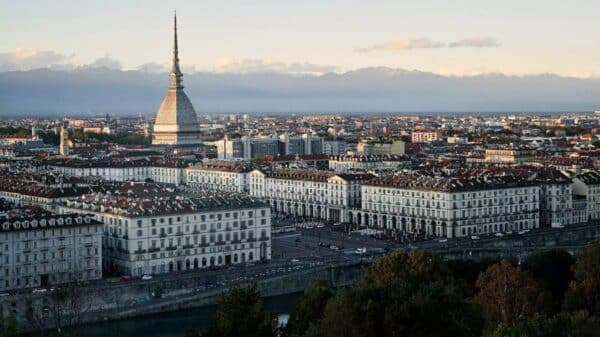
I'm completing almost two years here in Bra, a small city in the Piedmont region. I have a degree in gastronomic sciences.
The course is in English and Italian, languages that I perfected and learned here. I take five trips a year to learn dishes from other regions of Italy and the world.
I want to absorb all this knowledge and then return to Brazil to teach at Gastromotiva and have my own social gastronomy project.
These social works are crucial. I never thought I could live in Italy and travel to other countries studying.
I see many people in the same situation as I was before, with no prospects for the future. Sometimes the job is difficult, the salary in Brazil is very low.
How can we give perspective to those who are experiencing difficulties? Gastromotiva's work is to show people that they have a path and can be successful.
By: OLIVIA FREITAS/FOLHA
FOLLOW ITALIANISM