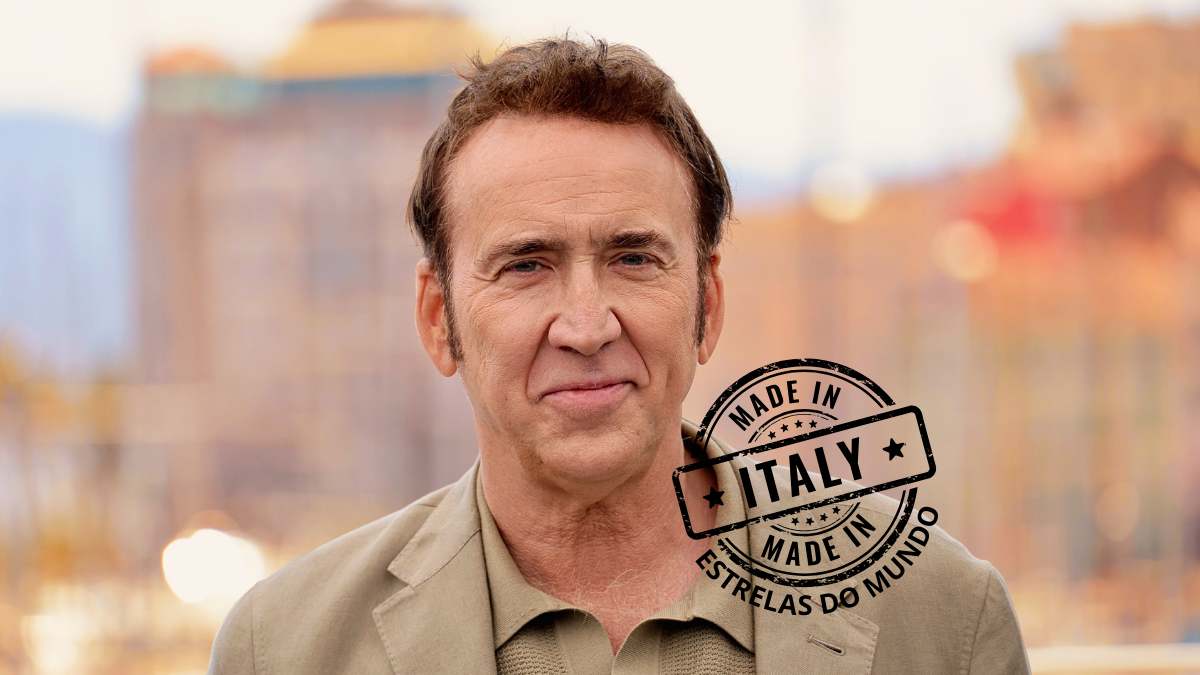
Mais do que um astro de Hollywood e vencedor do Oscar, Nicolas Cage é herdeiro de uma rica tradição artística com raízes profundas na Itália.
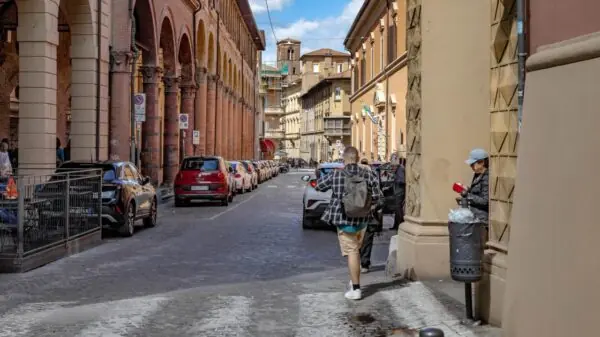
Nascido Nicolas Kim Coppola, o ator carrega em seu nome de batismo a herança de uma das mais influentes famílias do cinema americano — os Coppola — cuja origem remonta às pequenas cidades de Bernalda, na região da Basilicata, e Nápoles, na Campânia.

Cage é filho do professor universitário August Coppola e da coreógrafa Joy Vogelsang. Seu lado paterno é inteiramente italiano, descendente direto de imigrantes que cruzaram o Atlântico no início do século XX.
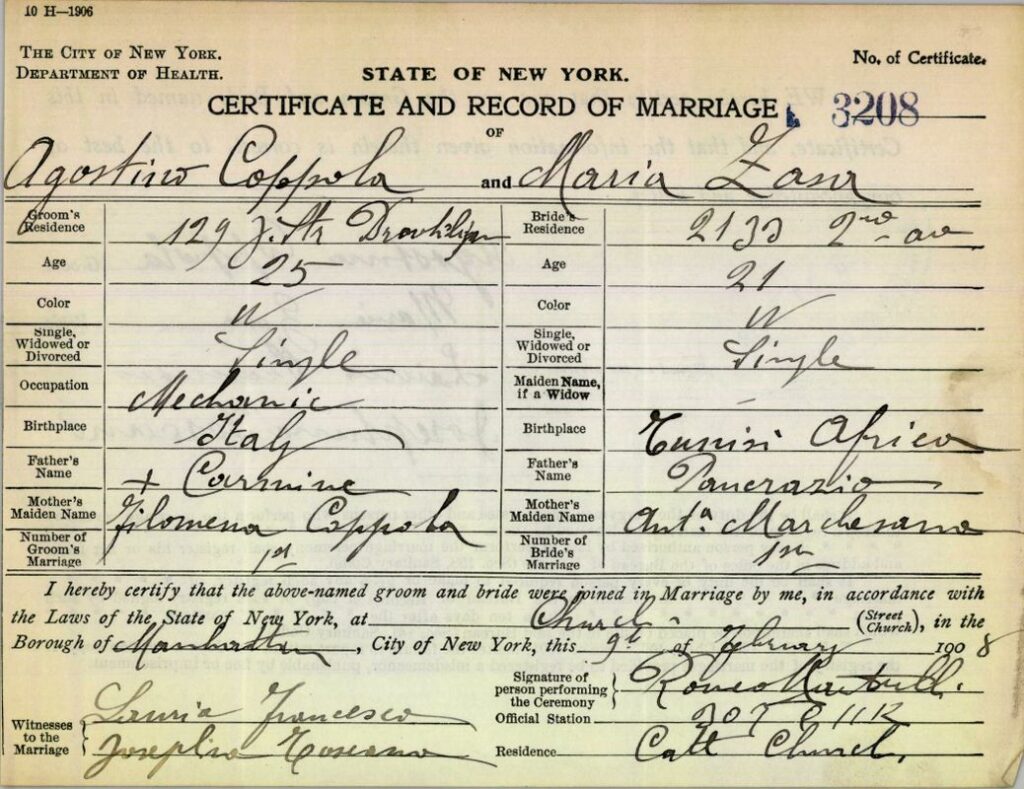
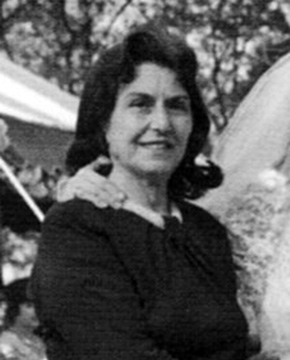
Seus bisavós, Agostino Coppola (natural de Bernalda) e Maria Zasa, nasceram respectivamente na Itália e na Tunísia, onde existia uma importante comunidade ítalo-tunisiana. Eles se casaram em Nova York em 1908, conforme registro oficial, e fixaram residência em Brooklyn. Já sua avó paterna, Italia Pennino, era filha do compositor napolitano Francesco Pennino, reforçando a conexão familiar com o sul da Itália.
Um legado artístico que atravessa gerações
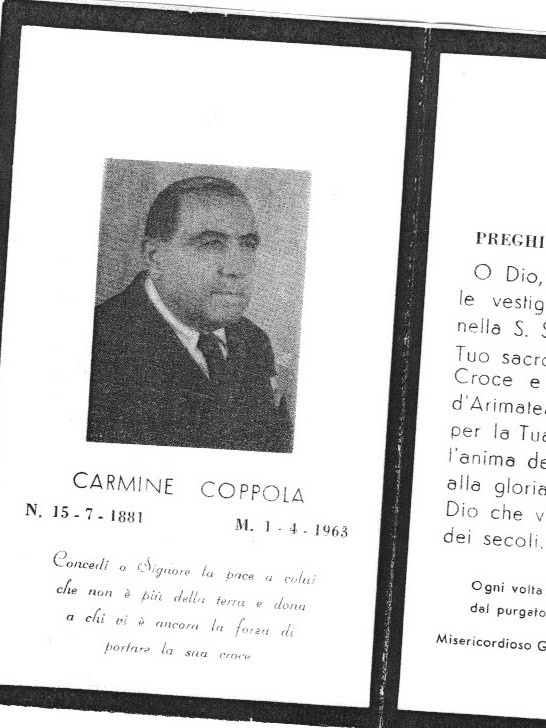
Na árvore genealógica dos Coppola, o talento parece ser hereditário. O avô de Nicolas, Carmine Coppola, foi compositor premiado, enquanto a avó, Italia, atuou como atriz e letrista. O pai, August Coppola, dedicou a vida à literatura e ao ensino universitário. E, claro, seu tio é ninguém menos que Francis Ford Coppola, diretor de clássicos como O Poderoso Chefão, e sua prima é a cineasta Sofia Coppola.
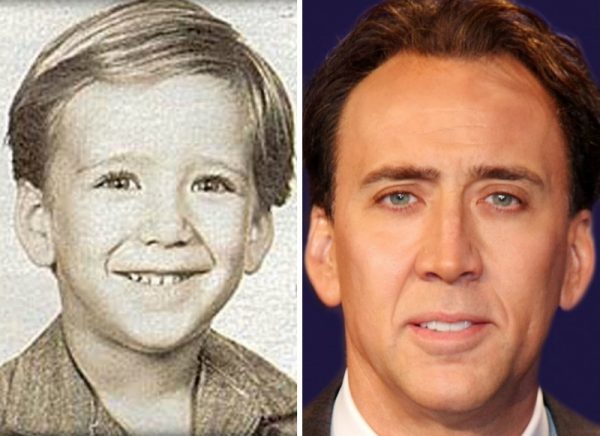
Apesar da influência familiar, Nicolas decidiu trilhar seu próprio caminho artístico. Para evitar acusações de favorecimento por conta do sobrenome, ele adotou o nome artístico “Cage”, inspirado no super-herói Luke Cage e no compositor John Cage. “Amo minha família e todas as suas conquistas, mas, como jovem ator, havia pressão por causa do meu nome. Adotar um novo nome me deu liberdade para me tornar o que eu queria ser em meus sonhos”, declarou em entrevista à revista The Talks.
Orgulho das origens
Cage nunca renegou suas origens. Em entrevistas, demonstra orgulho de sua herança italiana e já compartilhou lembranças marcantes ligadas à Itália. Em uma conversa com a Vanity Fair, lembrou-se de quando, ainda criança, foi cuidado por freiras enquanto visitava o país com sua família. “Elas me deram uma bebida com gosto de alcaçuz – acho que era Sambuca – e um ensopado feito de carne de raposa”, contou, com uma mistura de nostalgia e espanto.
Seu vínculo com Bernalda, em especial, permanece até hoje. Foi lá que seu tio Francis restaurou o Palazzo Margherita, transformando-o em um luxuoso hotel boutique que celebra as raízes da família Coppola. A construção do século XIX simboliza não apenas o resgate da herança italiana, mas também a permanência de um legado cultural que ultrapassa fronteiras.
Herança e identidade
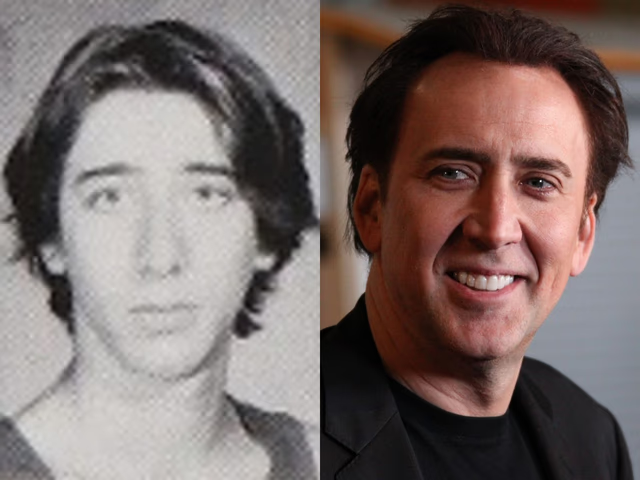
A conexão de Nicolas Cage com a Itália é mais do que uma curiosidade biográfica — é um elemento constitutivo de sua identidade. Ele nasceu nos Estados Unidos, cresceu entre Long Beach e São Francisco, enfrentou adversidades na infância, e encontrou na arte uma forma de expressão e sobrevivência. Mas é na ancestralidade que encontra parte do seu norte.

Essa herança italiana, vinda exclusivamente do lado paterno, molda não apenas seu passado, mas ressoa em suas escolhas artísticas e na sensibilidade que imprime em seus personagens.
Entre superproduções e filmes independentes, Cage preserva algo que vai além da tela: a continuidade de um legado ítalo-americano que permanece vivo em cada geração da família Coppola.
Este artigo faz parte da série “Made in Italy: Estrelas do Mundo”, no Italianismo, celebrando personalidades internacionais com raízes italianas.
Newsletter
Últimas do Italianismo
Todo dia, às 18h, um resumo do que aconteceu na Itália direto no seu e-mail.
É gratuito e você cancela quando quiser.