



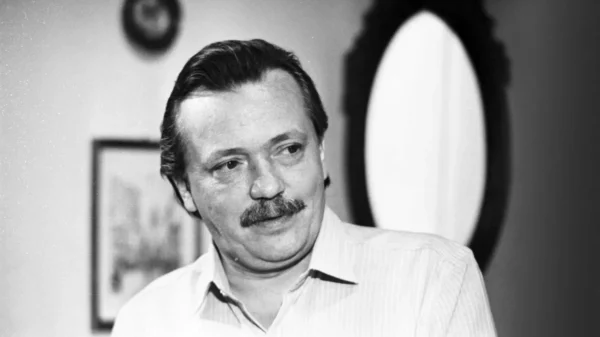










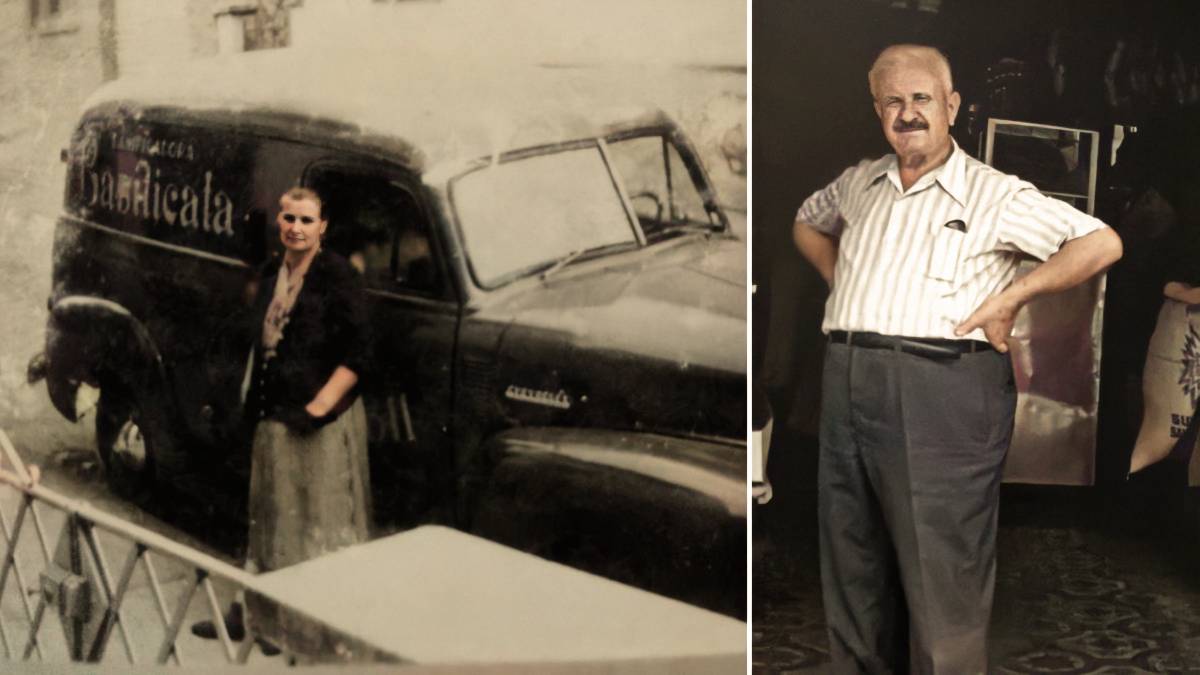
The Basilicata bakery, located in the Bela Vista neighborhood, in São Paulo, has 107 years of history. It all started with Filippo Ponzio, who came from southern Italy.
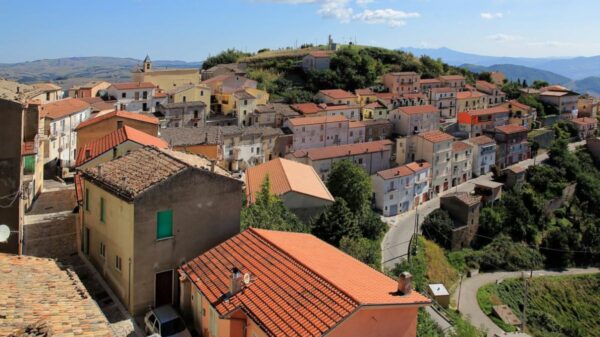
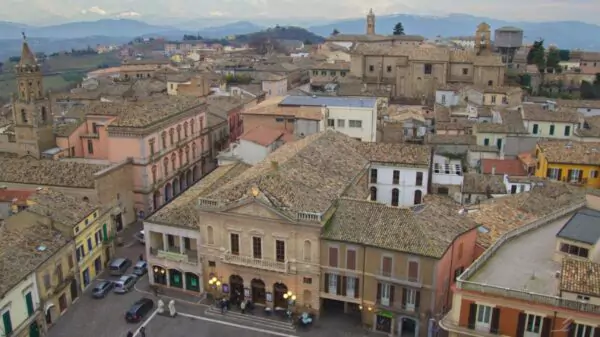
It was in the early 1910s that Ponzio left Tramore, Italian city in the Basilicata region, in the province of Potenza. Like so many other Italians at the time, he came to Brazil in search of Job opportunities.
In Sao Paulo, the Italian immigrant settled in the neighborhood of Bladder, stronghold of natives in the state capital. He started living on an 830 square meter lot, at number 614 in Thirteenth of May Street.
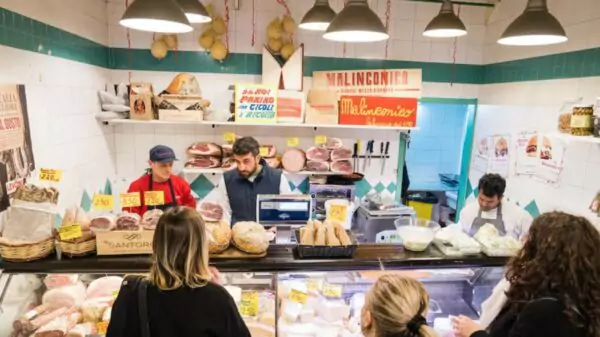
In front of the property, Ponzio set up a emporium, where he started selling all types of products, from cereals to brooms and toothpaste. The place was a meeting point for Protocols who arrived in Brazil and had nowhere to stay. In the back, next to the house, he built a carriage house, where he kept the delivery horses.

Law 74/2025 is being challenged in the Court of Justice of the European Union. For thousands of descendants, the next step depends on understanding how the new rule has affected each case.
Your case may still have a legal outcome.
ANALYZE MY CASE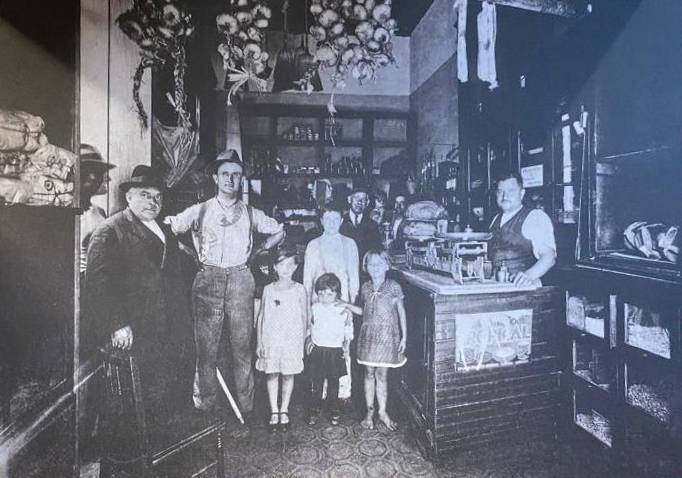
Basilicata Tradition
In the center of the land was the eight meter oven in diameter, built along the lines of his sister's old oven Giuseppina, great-grandmother of the current partners and nonagenarian when they were young.
Instead of making a living working on the land, like so many other Italians who arrived in Brazil at the time, Ponzio decided to bet on another skill he had learned while still in Tramore: make bread.
In Italy, it was common for families to produce their own bread and for neighbors to share yeast and ovens. This is how he learned the recipe and began to develop the ability to Baker.
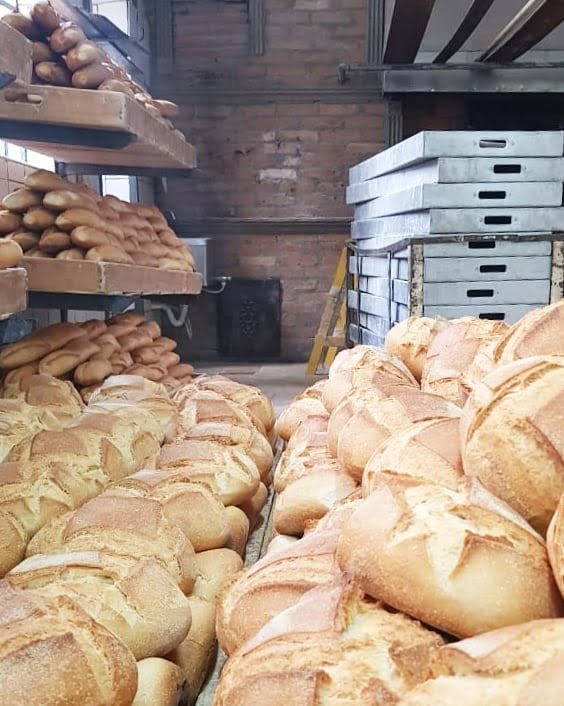
The first graduate left in April 1914 and soon word spread around Bexiga that the neighborhood had bread with the unmistakable italian touch: round, large (weighing one to three kilos) and with crispy shell.
Filippo Ponzio started selling bread to residents of the neighborhood and soon became a partner in canteens that opened their doors in the surrounding area, such as the contemporary Capuan.
To this day, Basilicata supplies dozens of restaurants, to which a whole batch of the three that leave daily.
New Italians, more determination
From the 1920s onwards, transformations came, such as the arrival of Lorenti-Laurenti, who continued the business, first as Domenico Laurenti, nephew of Filippo Ponzio, also a native of Basilicata.
Later, figures like Salvatore and Rafaella Lorenti came from Calabria to join the company.
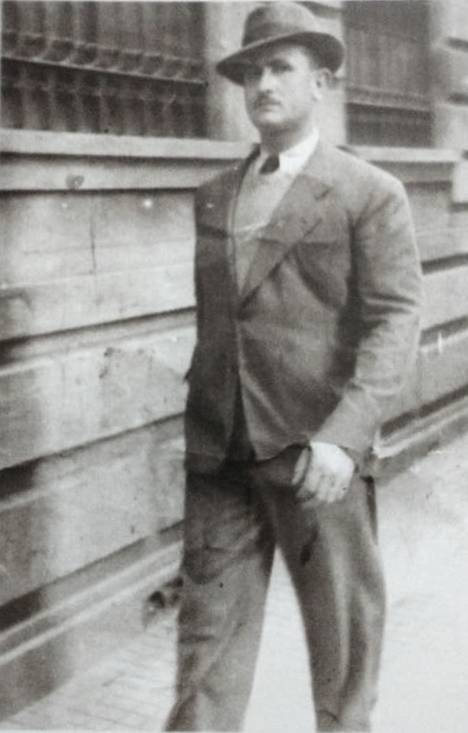
Domenico arrived in Brazil in 1926 and in 1942 accepted the invitation of Filippo Ponzio, great-granduncle of the current partners, to work at Basilicata and be part of the company, starting the second generation.
Cheerful and kind to customers, he soon became known as Your Bakery Sundays.
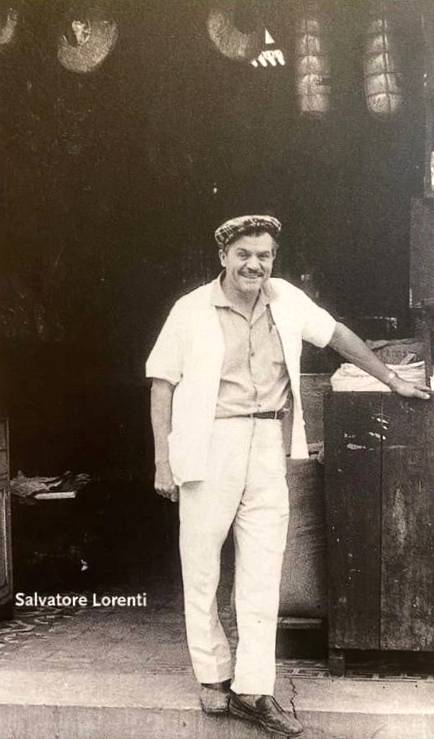
Domenico's cousin, Salvatore Lorenti, was a blacksmith in Italy and was called to help run the bakery.
He arrived in Brazil in 1949 and began delivering bread and milk by cart between neighborhoods Centro, Bela Vista, Paradise e Vila Mariana.
He soon learned how to make Italian bread and for years was responsible for the production and care of natural yeast.
Currently Basilicata is under the command of fourth generation of descendants of founder Filippo Ponzio: Toninho Laurenti, Nicola, Vittorio and Angelo Lorenti.
In 2014, to celebrate the 100 years of history of Basilicata, the publisher Senac launched the book “Basilicata Bakery – Cent'Anni di Storia”, Cheila Vargas, graduated in literature from USP.
Law 74/2025 is being challenged in the Court of Justice of the European Union. For thousands of descendants, the next step depends on understanding how the new rule has affected each case.
Your case may still have a legal outcome.
ANALYZE MY CASEIn the same week as the book's launch, an exhibition about the house was held in National Ensemble.
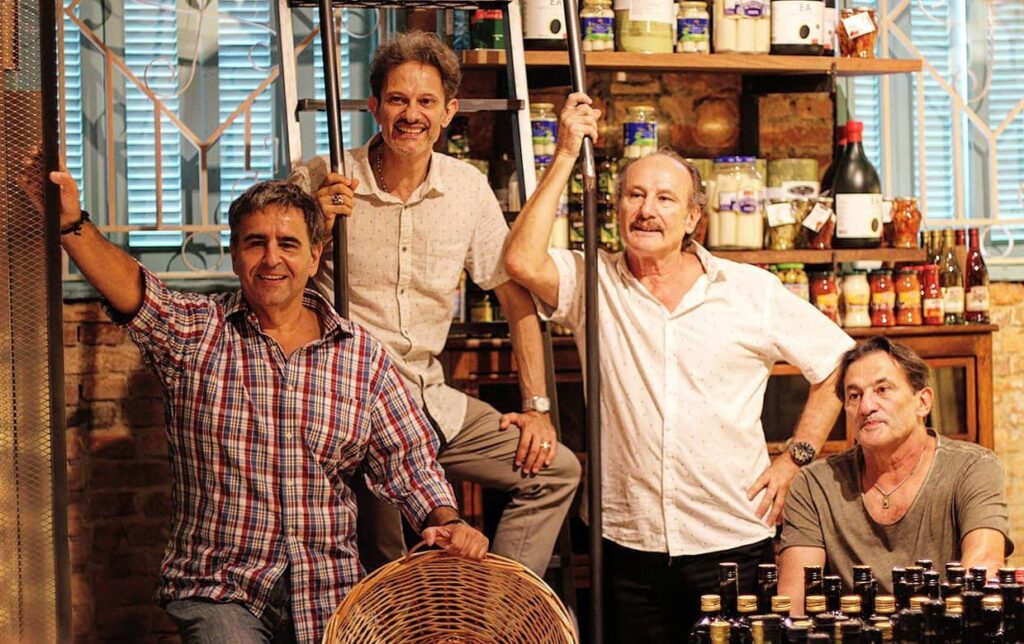
Family firmly in charge
In 2017, Padaria Basilicata reopened its doors in the new space called Basilicata – Bread, Emporium and Restaurant.
In addition to continuing to produce the century-old bread according to the rules of respect for natural yeast cycle, the house today serves several recipes prepared by the Chef Rafael Lorenti, fifth generation of the family.
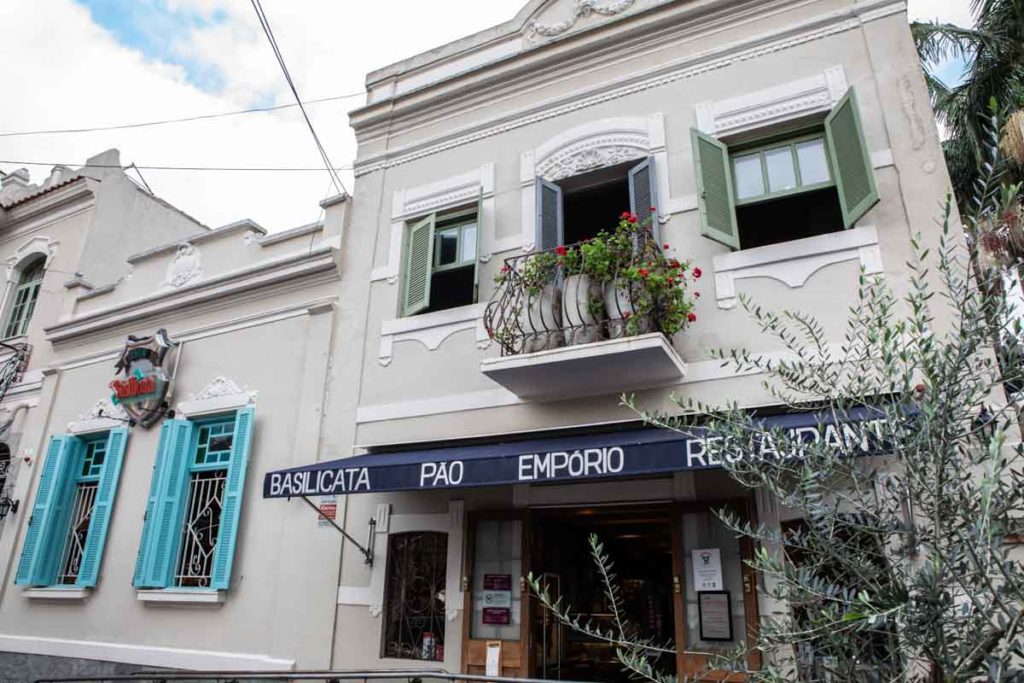
The investment was approximately R $ million 2,5, to meet approximately 12 thousand customers per month, who have the option of having their snack or meal on site or taking home various product options, such as cheeses, wines, sauces, candy e cookies, Among others.
Not bad for the family of an Italian who started with a grocery store. dry and wet, started selling bread to the Italian community of his neighborhood and today is a great representative of the work force of the natives in Brazil.
By Roberto Schiavon/Italianism