

![Attorney Marco Mellone during oral arguments at the Court of Cassation in Rome, at the United Sections hearing on the 'child issue' | Photo: Reproduction/[source of the video]](https://italianismo.com.br/wp-content/uploads/2026/07/marco-mellone-600x337.jpg)






























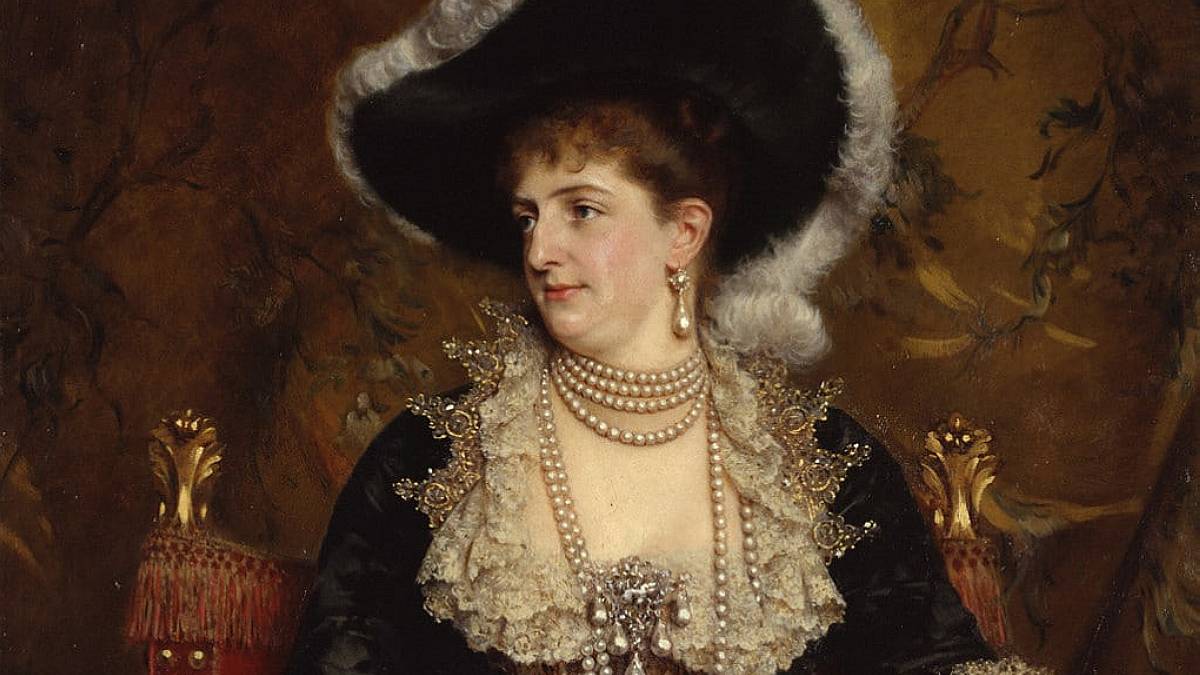
Beautiful, intelligent, elegant and idolized. Margherita di Savoia won an honorable place in the Italian popular imagination.
She became one of the most representative and beloved icons of the Savoy monarchy. The reasons for her success? An unparalleled “professionalism” in image management and a natural talent in public relations.
Born in Turin in 1851, the future queen was the daughter of Elisabetta di Sassonia and the Duke of Genoa Ferdinando di Savoia, brother of the then ruler of Sardinia Vittorio Emanuele II.
When she was 10 years old, her illustrious uncle became the first king of Italy, and soon the problem arose of finding a suitable bride for the young heir to the throne, Umberto. “The choice fell on Princess Matilde d'Asburgo-Teschen, but a few months after the ceremony, the bride died in a fire”, says Luciano Regolo, author of the book Margherita of Savoy, the secrets of a queen (Edizioni Ares).

The Supreme Court reaffirmed: citizenship is born with the person.
- New legal front opened
- Processes can still be filed.
- Individual assessment before any decision.
“It was then that Margherita, Umberto’s cousin, entered the scene, considered the “right wife” because she had already been educated according to the customs of the Savoia family”, he says.
Fatherless, the young woman was 16 years old at the time (7 years younger than her consort) and had the perfect physique for the role: refined, intelligent and beautiful, with long blond hair and intense blue eyes.
She married Umberto in Turin, in 1868, and after the wedding they embarked on a trip around the Peninsula to “sponsor” the newly born national monarchy, led by Vittorio Emanuele II – without a queen by his side (his wife Maria Adelaide d'Austria had died in 1855).
The young princess threw herself body and soul into the role of “first lady of Italy“, winning both the sympathies of aristocrats and future subjects.
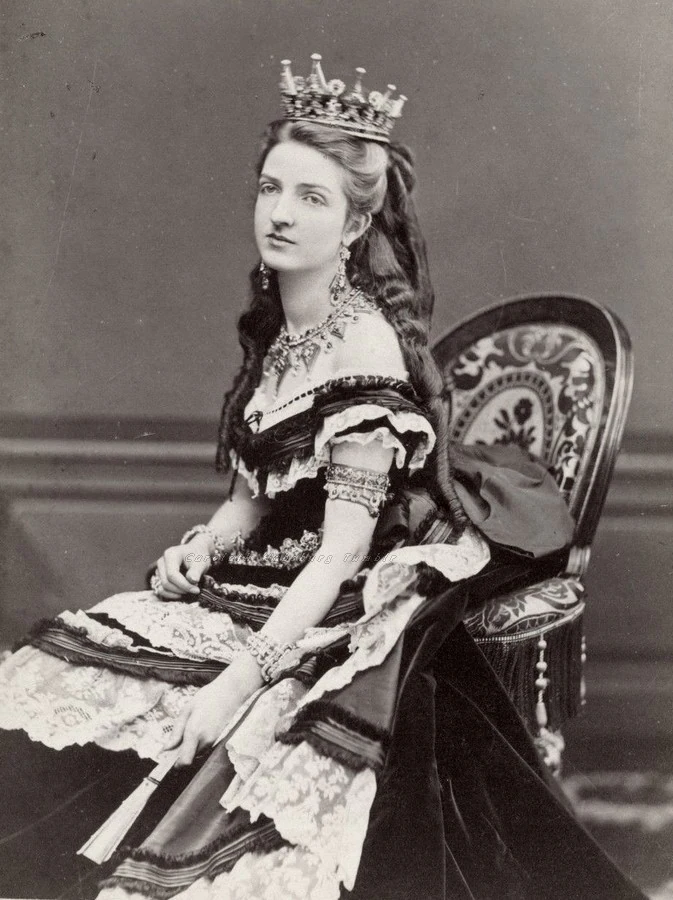
“Before each official trip, she wanted to know about the customs of the local women, dressing like them and thus starting a process that would later lead all Italians to identify with her,” says Regolo.
When in Rome, do as the Romans do
On the eve of moving to Naples, where the bride and groom moved immediately after the wedding, wanting to show themselves rooted in Neapolitan traditions, she even took mandolin lessons, learning some Neapolitan songs"
On the other hand, to win over the aristocrats, Margherita organized dances, concerts and readings, exploiting “mundane” events to root consensus around the ruling dynasty.
And it was not an easy task: in NápolesPart of the aristocracy was still pro-Bourbon, and in Rome, only in 1870, when it was annexed to the Kingdom of Italy, did the so-called "black nobility" remain loyal to the Pope.
But the turning point came when Umberto I ascended the throne in 1878 (reigned until 1900), and the new queen's fame only grew.
“The suggestion for Margherita gave rise to the call “margheritism“, a customary phenomenon that at the end of the 19th century influenced several areas of social life, especially fashion”, explains Regolo.
“Always passionate about clothes and jewelry, on which she spent immense sums, the queen became a style icon, so much so that one of the country's first fashion publications was named in her honor: “Margherita, the newspaper of Italian ladies ".
Furthermore, a little bit of everything was named after him, from new dishes (like Pizza margherita, made in his honor by the piazzaiolo Raffaele Esposito during a royal visit to Naples) to alpine shelters.
In the 22 years that she joined Umberto on the throne, Margherita was not indifferent to the explosive events that shook the country, marked by popular unrest and the birth of the first workers' movements.
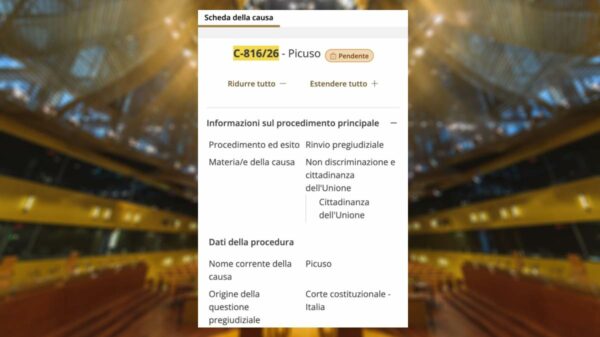
The Constitutional Court's decision changed the landscape. The new citizenship law will now be reviewed by the European Union's courts of justice.
Tensions culminated on July 29, 1900, with the murder of Umberto I by the hands of the anarchist Gaetano Brescia. It was the queen who contributed to the creation of the myth of “martyr king”, fed by the newspapers of the time.
The “sentimental connection” with the Italians remained alive until the moment of his death on January 4, 1926, in Bordighera, when the Queen Mother was 74 years old.
The train that brought her back to Rome. had to stop 92 times to allow the crowd to greet her.