


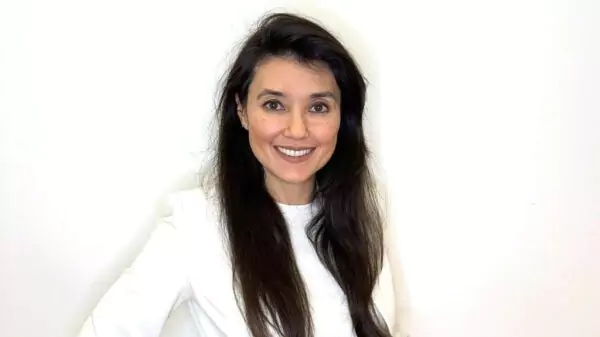



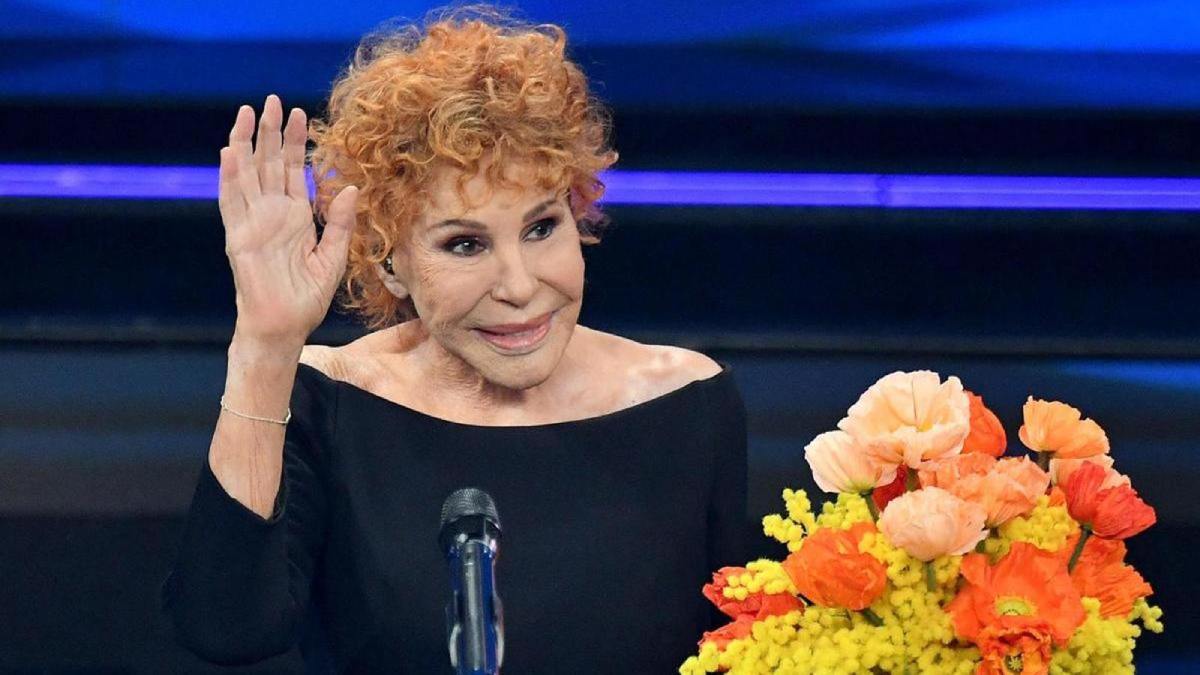
Singer Ornella Vanoni, one of the biggest names in Italian music, died this Friday (21) at the age of 91. She fell ill at her home in Milan at around 23 pm (local time). The information was released by the newspaper Corriere della SeraEmergency responders were called, but they were unable to revive her.
Born on September 22, 1934, Vanoni marked seven decades of her career with a unique artistic trajectory and a strong connection to Brazilian music. She became a symbol of artistic independence and personal expression, maintaining relevance until her final years.
In the 1970s, he was a key figure in one of the milestones in the cultural rapprochement between Brazil and Italy: the album "La voglia, la pazzia, l'incoscienza e l'allegria," recorded with Vinicius de Moraes and Toquinho, featuring songs by Tom Jobim and Chico Buarque. The album became fundamental in popularizing Brazilian music in the European country.
The interest in Brazilian sounds was also reflected in reinterpretations of songs such as "L'appuntamento," the Italian version of Roberto Carlos's "Sentado à Beira do Caminho," and in collaborations with authors like Sergio Bardotti.
Vanoni began his career in the theater, in Small Theater of Milan, under the direction of Giorgio Strehler. With him, she launched the project “Le canzoni della Mala”, which breathed new life into popular Italian ballads with a sophisticated and innovative approach. Later, she joined the so-called Genoese School and had a romance with Gino Paoli, immortalized in the song “Senza fine”.
During her lifetime, she collaborated with renowned artists such as Lucio Dalla, Fabrizio De André, Dario Fo, and Fiorenzo Carpi. She was the first woman to receive the Tenco Award for best singer-songwriter.
Even at 90 years old, she remained active. She recorded the album "Ti voglio" with Elodie and Ditonellapiaga and released the album "Diverse" on the BMG label. She also published a book with the singer Pacifico, titled "Vincente o perdente," a kind of sentimental diary about her life.
His last notable media appearance was as a regular on the show "Che tempo che fa," where he stood out for his charisma and authenticity.
With her death, Italy loses one of the most emblematic artists in its cultural history. And Brazil loses one of its greatest interpreters abroad.