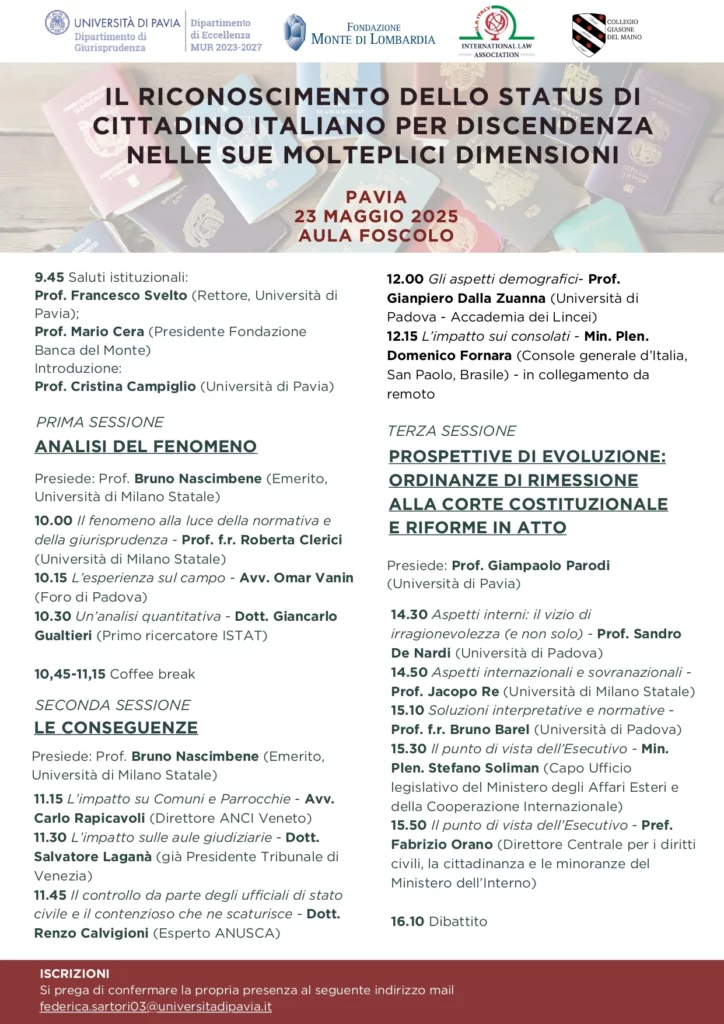























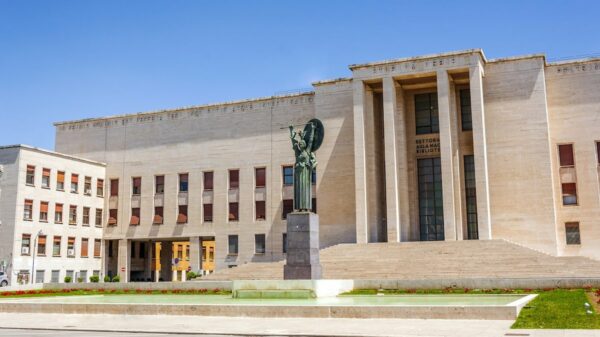
A University of Pavia promotes, on May 23, 2025, the seminar “Il riconoscimento dello status di cittadino italiana per discendenza nelle sue molteplici dimensioni” – Recognition of the status of Italian citizen by descent in its multiple dimensions, in free translation.
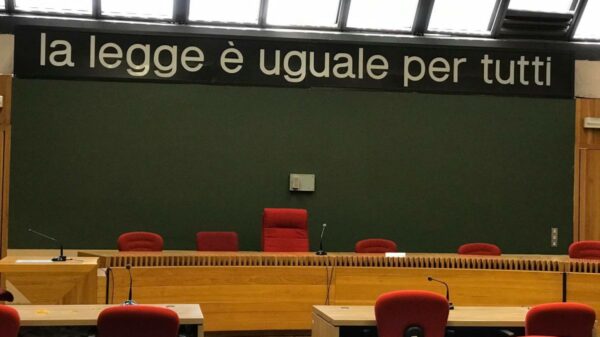
The meeting will be held at 9:45 am, in the Foscolo Classroom of the Law Department.
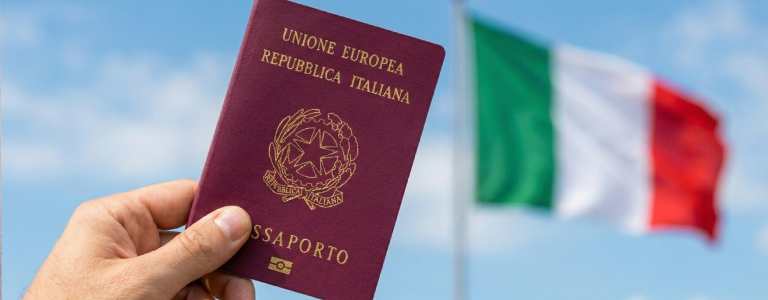
The event takes place just days before the Italian Parliament votes on a bill proposing changes to the right to recognition of Italian citizenship by descent. This coincidence reinforces the importance of the seminar in the heat of the debate.
Among the confirmed participants are names known for criticizing the current model of recognition of citizenship by blood right (swear sanguinis). Despite the technical and legal focus highlighted by the organization, the choice of guests — and the proximity to the vote in Parliament — indicates a bias in favor of restrictions.
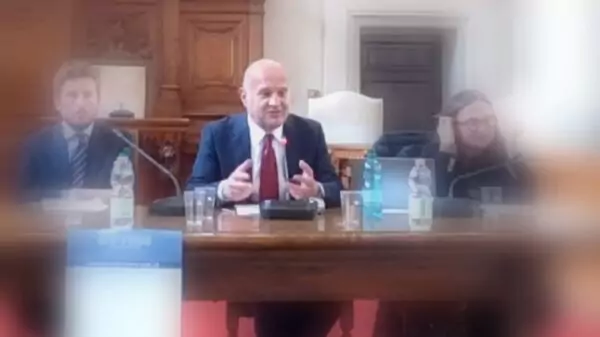
The Minister Plenipotentiary Stefano Soliman, for example, heads the legislative branch of the Italian Ministry of Foreign Affairs. He was the one who classified as urgent the so-called “Tajani Decree”, criticized by Italian-descendant communities for making it difficult to recognize citizenship.
In note to the Italian Senate, he stated that descendants of Italians abroad, especially those from Brazil, represent a threat to Italy and the European Union
Soliman was reported to the Italian courts, this Monday (5), by former deputy Luis Roberto Lorenzato (Lega) and by Italian-Brazilian businessman Marcelo De Carvalho Fragalli, for statements considered to be xenophobic.
Also part of the panel Salvatore Laganà, former president of the Court of Venice. His presentation will address the impact of citizenship recognition on judicial structures. Renzo Calvigioni, an expert from ANUSCA (National Association of Civil Status Officials), will speak about bureaucratic obstacles and the increase in administrative disputes.
Divided into three sessions — analysis of the phenomenon, consequences and perspectives for evolution —, the seminar will cover everything from statistical data from ISTAT to proposals for constitutional reform.
The remote participation of the Italian Consul General in São Paulo is also planned, Domenico Fornara, who will speak about the effects of legislation on consular services.