
































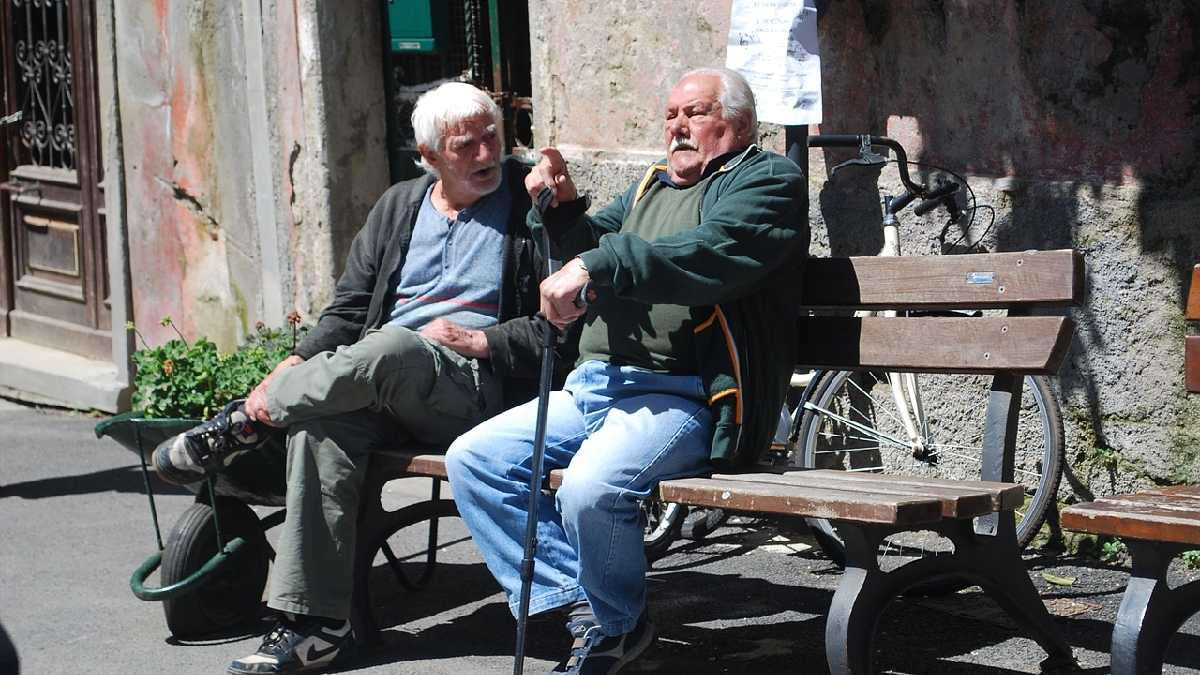
With six consecutive years of population decline, Italy could see its population drop to less than 50 million people by 2070.
This is what a report released by the National Statistics Institute says (Istat), a kind of IBGE for Italy, with demographic forecasts for the coming decades.

According to the study, the country had 59,6 million inhabitants on January 1, 2020, but this number could fall to 58 million in 2030, 54,1 million in 2050 and 47,6 million in 2070, a reduction of around 20% in half a century.
The projections are based on current demographic trends in Italy, which recorded the lowest number of births in its history in 2020: 404,1 thousand.
Istat's forecast is that the country will have twice as many deaths (784) than births (391) in 2048. Furthermore, Italy will only have one young person under 14 for every three elderly people over 65 in 2050, while the economically active population will fall from 63,8% to 53,3% by the middle of the century.
“It will be necessary to further adapt social protection policies to a growing number of elderly people”, warned Istat, adding that the average age in Italy should rise from the current 45,7 years to 50,7 years in 2050.
The country has had more deaths than births since 2007, but, for a while, immigration managed to compensate for this difference, something that has not happened since the middle of the last decade, despite the arrival of hundreds of thousands of internationally displaced people via the Mediterranean.
The trend of population depletion has already given rise to several initiatives to try to reverse this situation, from houses for one euro in medieval and increasingly uninhabited villages to a robust social program that will pay up to 175 euros – the equivalent of R$ 1,1 – for each minor child.
The call "one-time aid” has been in force since July 1 for low-income families, but will become universal from March 2022, including even immigrants who have been legally resident in Italy for at least two years.
The value of the benefit will be calculated according to the family's income, and the government will pay bonuses from the third child onwards and for certain categories, such as young mothers. A nucleus with four children, for example, could receive more than a thousand euros per month. (Handle)
FOLLOW ITALIANISM