

































The research found that the foreigners in Italy are poorer than those born in the country. Migrants have also suffered greater effects from the COVID-19 pandemic, leading to worsening poverty.
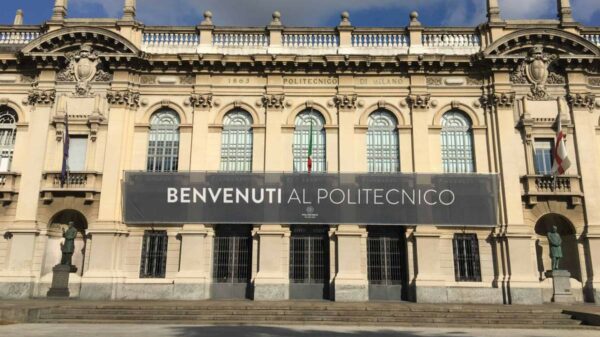
Poorer and more likely to be unemployed: this is what the latest report from Foundation for Initiatives and Studies on Multi-Ethnicity (ISMU) found that foreigners in Italy are compared to Italians. The report ISMU 2021 on migration was presented this Monday (14) in Milan . Among other findings is that the employment rate fell from 61% in 2019 to 57,3% in 2020.

Increasingly poorer
Poverty affects 29,3% of foreigners in Italy, compared to 7,5% of Italians and 26,7% of families made up only of foreigners: an increase of 24,4% in 2019 and equivalent to 415 thousand families.
The ISMU foundation estimated that in January 2021 there were 5.756.000 foreigners in Italy: 167 thousand less than in 2020, or a decrease of 2,8%.
The number of undocumented immigrants remained largely stable, however, at 519.000 compared with 517.000 the previous year.
Foreigners represent around 10% of Italy's total population
The report noted that the number of immigrant deaths in the year of the pandemic increased by 23,3% compared to 2018-2019. In Italy, the immigrant population suffered more than Italian citizens with the consequences of COVID-19. Recent studies have shown that immigrants may be more at risk of getting sick and dying from COVID-19 infections due to living and working conditions and barriers to health care.
Much lower salary, but increase in foreign entrepreneurs
With regard to employment, in 2020 the average annual salary of non-EU workers – at 12.902 euros – was 38% lower than that of all workers combined. On the eve of the pandemic, in 2019, there were more than 4 million foreigners of working age and almost 2,9 million employed or looking for work, representing 11,3% of the workforce. One year later, in 2020, foreigners represented 10,8% of the active population, but only 10,4% of the workforce due to a significant increase in the inactive component: more than five times greater than the Italian (5,1% ).
Positive signals were observed in immigrant entrepreneurship, with a 2,3% increase in the number of entrepreneurs and partners born abroad.
Foreigners opting for secondary schools over professional institutes
For the first time, the number of foreign students enrolled in secondary schools was greater than those enrolled in professional institutes. However, academic delay was observed in around 30% of students of non-Italian nationality, compared to 9% of Italians.
The biggest community of foreigners Living in Italy continues to be Romanians, with 1.138 million, representing 23% of all foreigners in the country. They were followed by Albanians, with 410.000, and Moroccans, with 408.000.
FOLLOW ITALIANISM