
































The number of Brazilian citizens with Italian passports in Portugal has drawn the attention of authorities.
A report from the Foreigners and Borders Service (SEF) from 2019 points out that approximately 29,5% of Italian residents were born in Brazil.
Also in 2019, the SEF indicated that there were 18.862 Italians living in Portugal. Therefore, at least 5.650 would be Italian-Brazilians.
According to Itamaraty, consular offices work with an estimate that the Brazilian community in Portugal has around 300 thousand people. In other words: 63% higher than statistics indicate.

The Supreme Court reaffirmed: citizenship is born with the person.
- New legal front opened
- Processes can still be filed.
- Individual assessment before any decision.
Associations supporting the immigrant community, however, estimate that this number could be even higher, reaching twice the official figure.
“Three hundred thousand is the minimum. If we think about all the people who are waiting for the expressions of interest interviews [first stage of regularization for those who did not enter with the appropriate visa], in addition to the people who have not been able to enter the process yet, plus everyone who has already acquired nationality , we see how the community is much larger”, says Cyntia de Paula, president of House of Brazil in Lisbon.
According to her, in recent years, the profile of Brazilians who choose to live in the country is increasingly diverse: from students and businesspeople to professionals with less education.
Portugal promoted access to the country's citizenship
Since 2006, Portugal has been promoting a series of changes that facilitate access to citizenship. These include granting nationality to grandchildren of Portuguese citizens and reducing the residency requirement for naturalization to five years.
Although obtaining citizenship does not necessarily mean living in Portugal, the numbers still show a growing interest among Brazilians in the Portuguese passport. According to data from the Ministry of Justice, between 2010 and the beginning of 2018, more than 220 thousand Brazilians obtained dual nationality.
According to a report from Eurostat (European Union statistics agency), in 2019 Portugal had the third highest annual naturalization rate — number of naturalizations for every 100 regularized foreigners — among the bloc's states: 4,4%.
Sweden (6,9%) and Romania (4,7%) top the list.
Portugal has a simple system for regularizing immigrants
Unlike several European countries, Portugal has a relatively simple system for regularizing people who have entered the country as tourists but remained to live and work without the appropriate visa.
The large number of requests, however, means that people have to wait for a long time for their cases to be analyzed by the Foreigners and Borders Service. During this period, they continue to pay all taxes and Social Security contributions, even with more restrictive possibilities to enjoy the benefits.
Although cases of deportation are rare, living in Portugal without appropriate documentation often means being in a greater situation of social and labor vulnerability and having significantly restricted freedom of movement.
Due to the pandemic, Portugal decided to temporarily regularize all foreigners who had legalization requests pending at the SEF. The objective was to guarantee immigrants' access to the healthcare system and the Covid-19 vaccine.
Around 223 thousand foreigners have already benefited, which already helps to understand the potential size of the undocumented immigrant community. Data by country has not yet been released, but Brazilians were the most impacted nationality.
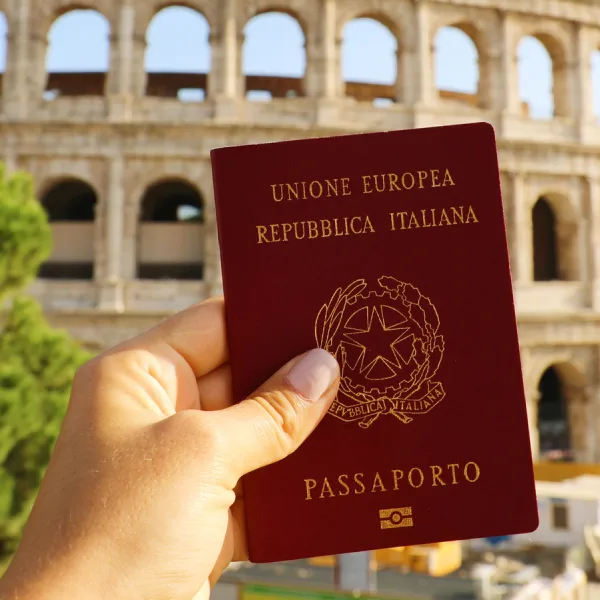
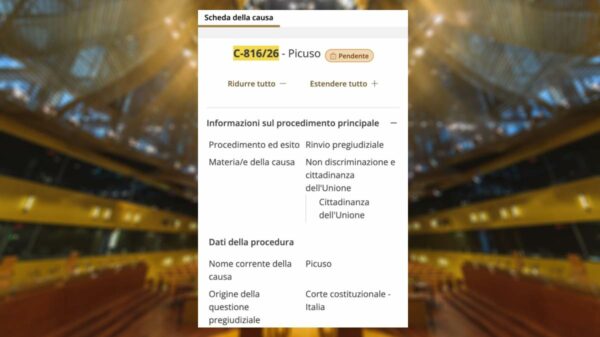
The Constitutional Court's decision changed the landscape. The new citizenship law will now be reviewed by the European Union's courts of justice.
The pandemic further weakened the already slow regularization system with the SEF, which interrupted services and interviews for more than a month due to the deterioration of the epidemiological situation in Portugal.
Although the agency has digitized several processes and instituted the renewal of residence permits directly via the internet, the new developments cannot cope with the increase in demand.
At this moment, the scheduling system with SEF is interrupted due to a lack of vacancies across the country. In addition to the slowness, immigrants also complain about the capture of vacancies by lawyers and dispatchers who specialize in reselling appointments.
Read also