



















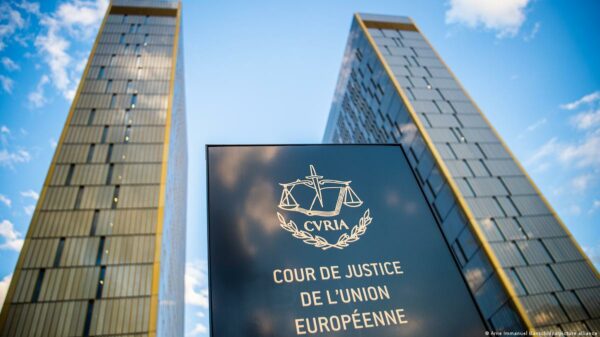





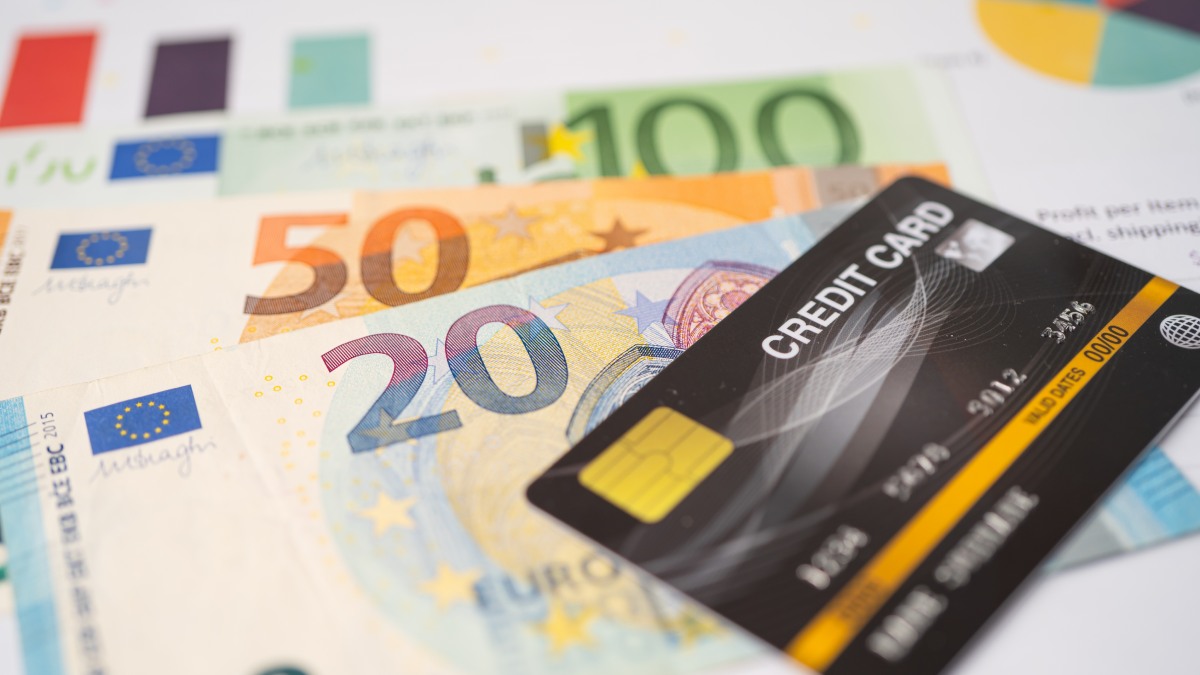
The European Central Bank (ECB) this week advised European Union citizens to keep between €70 and €100 in cash at home. The recommendation is included in the study. Keep calm and carry cash, released on Monday (22), which analyzes the role of paper money in times of crisis.
The measure aims to prepare the population for emergencies in which electronic payment methods are unavailable, such as during blackouts, cyberattacks or armed conflicts.
Essential role in crises
The study analyzed four critical moments in Europe's recent history: the 2008 financial crisis, the Greek debt crisis (2014-2015), the Covid-19 pandemic and the war in ukraine started in 2022.
In all these situations, the use of cash increased significantly. According to the ECB, "the acquisition of banknotes increases dramatically and immediately" when there is instability.
Money for three days
The ECB's guidance is that each person should keep at home an amount sufficient to cover their basic needs for approximately 72 hours. This amount ranges between €70 and €100, according to standards adopted by countries such as Austria, Finland, and the Netherlands.
The institution highlights that this reserve acts as a low-cost protection against widespread failures in payment systems.
Precautionary measures
In addition to the general public, the ECB recommends that governments and banks prepare for a possible surge in cash demand. Finland, for example, is developing ATMs that are resilient to failures and cyberattacks.
The bank emphasizes that no system is “infallible” and that paper money remains a “critical” component of national emergency preparedness.
European survival kit
The recommendation follows other civil preparedness measures proposed by the European Commission. In March of this year, the agency advised citizens to keep an emergency kit at home with water, non-perishable food, medicine, and essential documents for at least three days.
The model follows practices in countries such as Sweden, Denmark, and Finland, which have strengthened preventive measures in the face of threats such as wars or natural disasters.
FOLLOW ITALIANISM