





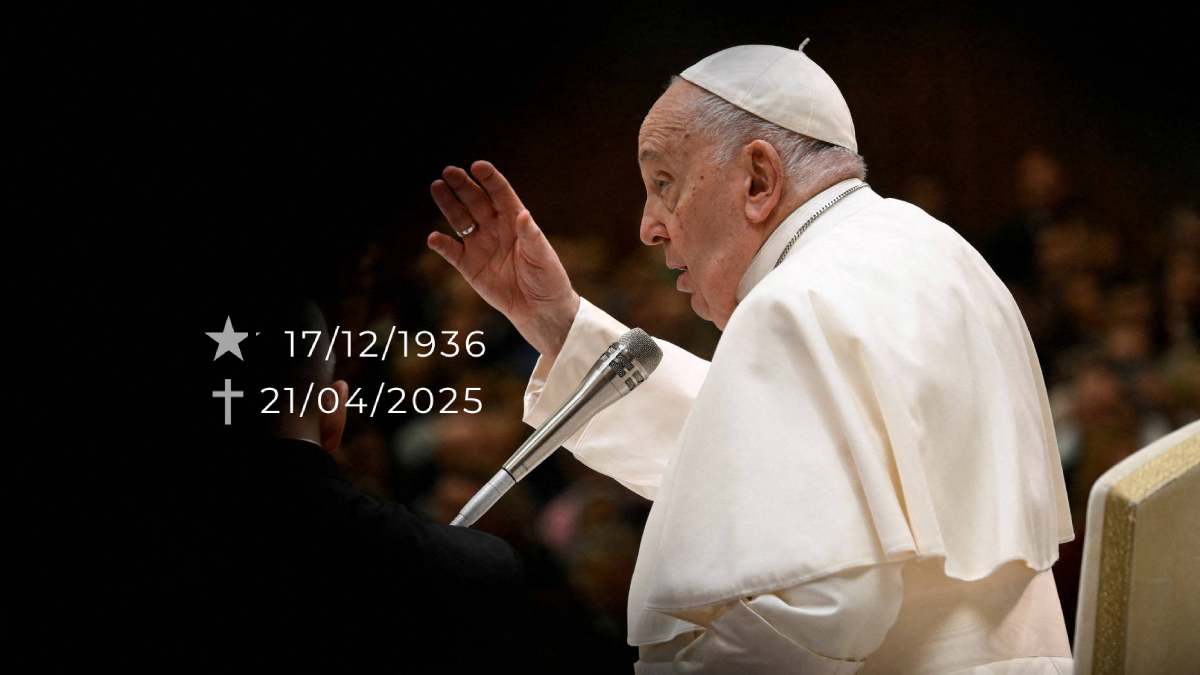
O Pope Francis died this Monday (21), aged 88, at 2:35 am Brasília time (7:35 am local time). The information was confirmed by the Vatican. The leader of the Catholic Church was hospitalized recovering from bilateral pneumonia.
Francisco, born Jorge Mario Bergoglio, was the first Latin American pope, the first Jesuit to assume the position and the first pontiff to succeed a living pope in the modern era, after the resignation of Benedict XVI in 2013. With a papacy of almost 12 years, he was the 266th pope in the history of the Catholic Church.
Elected on March 13, 2013, Bergoglio was chosen during the second day of the conclave, even though he later declared that he did not wish to assume the post.
A leadership marked by simplicity and dialogue
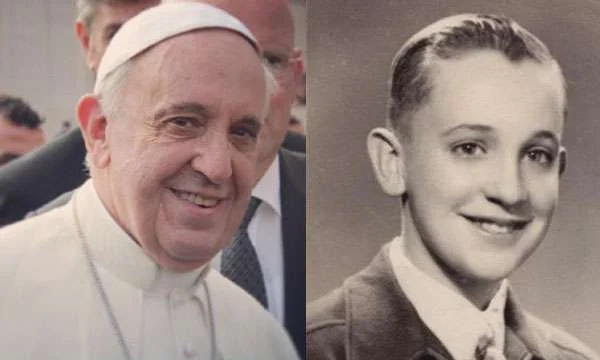
The son of Italian immigrants, Francisco was born in Buenos Aires on December 17, 1936. Before entering religious life, he trained as a chemical technician and taught literature. He was ordained a priest in 1969 and, after a career in the Society of Jesus, became archbishop of Buenos Aires in 1997 and cardinal in 2001.
As Pope, he advocated a Church focused on inclusion, listening to the marginalized and fighting poverty. His choice of papal name pays homage to Saint Francis of Assisi, a symbol of simplicity and defender of the poor.
During his pontificate, he promoted internal reforms, especially in the economic management of the Roman Curia. He encouraged financial transparency and fought irregularities in the Vatican bank.
Advances and criticisms
Francis has been praised for allowing women to hold decision-making positions and for allowing blessings for same-sex couples. However, he has remained firm in his ban on ordaining women to the priesthood and has spoken out against abortion.
He also stood out for his political speeches. He condemned wars, criticized international leaders and addressed humanitarian crises, such as the refugee crisis and the Covid-19 pandemic — on which occasion he prayed alone in an empty St. Peter's Square, in one of the most symbolic moments of his papacy.
Health has been fragile in recent months
Since February, the pope has been battling pneumonia, which has developed into a more serious infection. He was hospitalized for about 40 days and was discharged a few weeks ago, where he remains under medical care. The Vatican has not yet released information about the funeral.
Reactions and next steps
With the death of the pontiff, the Apostolic See enters the period known as “sede vacante”, during which the camerlengo assumes administrative functions. The College of Cardinals will be convened in the coming weeks to elect a new pope, in a conclave in the Vatican.
Francis leaves a legacy of rapprochement with the faithful, institutional reform and the defense of social values. His papacy was considered a landmark change in the Church's relationship with the modern world, although he faced resistance from more conservative wings.
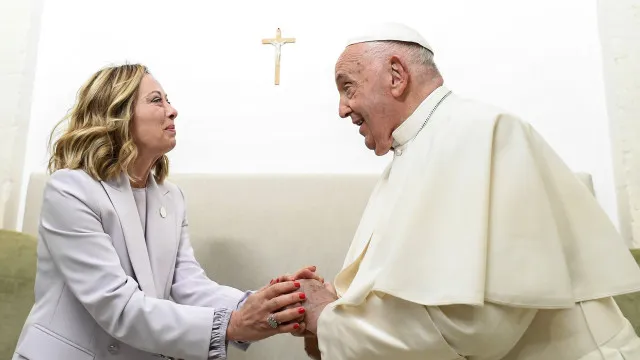
“Pope Francis has returned to the Father’s house. This is news that deeply saddens us, because a great man and a great pastor leaves us. I had the privilege of enjoying his friendship, his advice and his teachings, which never failed, even in moments of trial and suffering. In the meditations of the Stations of the Cross, he reminded us of the power of the gift, which makes everything flourish again and is capable of reconciling what in the eyes of man is irreconcilable. And he asked the world, once again, for the courage to change course, to follow a path that “does not destroy, but cultivates, repairs, protects”. We will walk in this direction, to seek the path of peace, to pursue the common good and to build a more just and equitable society. His teachings and his legacy will not be lost. We greet the Holy Father with hearts full of sadness, but we know that he is now in the peace of the Lord,” wrote the Prime Minister of Italy. Giorgia Meloni
FOLLOW ITALIANISM