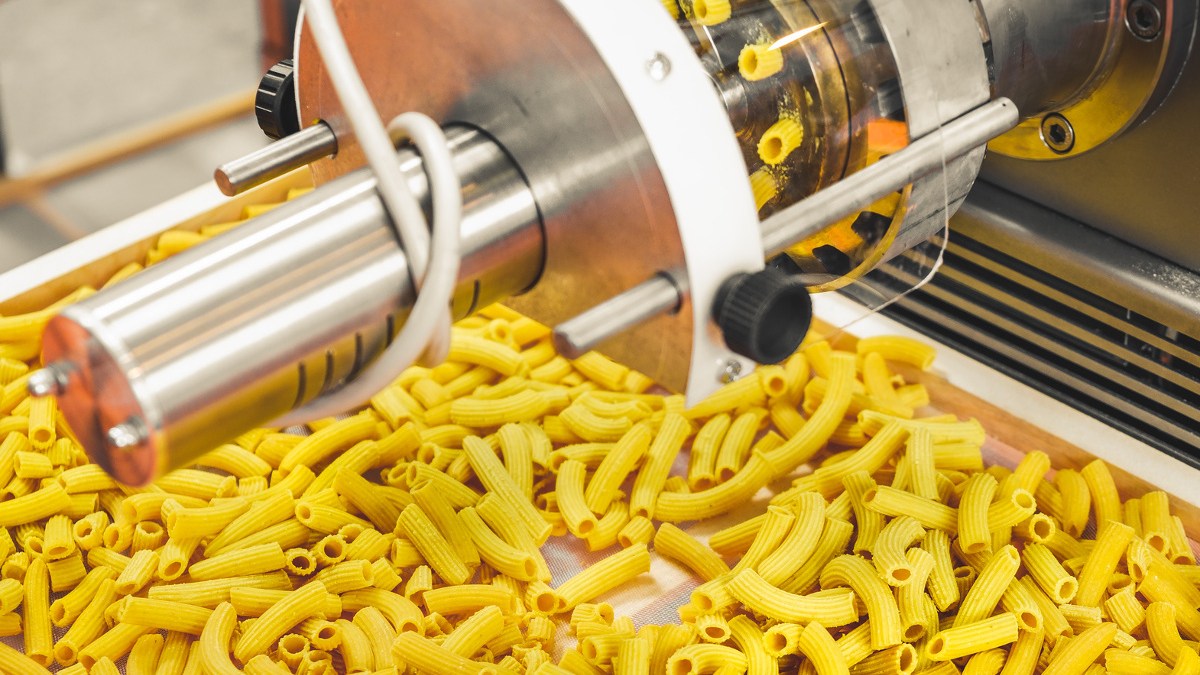
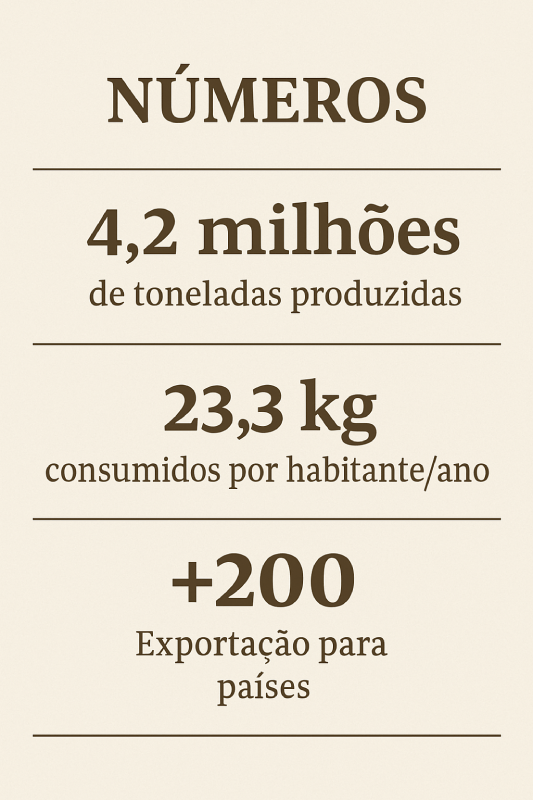
No dia 25 de outubro, o mundo celebra o World Pasta Day (Dia Mundial da Massa, em tradução livre), data criada para homenagear um dos símbolos do Made in Italy. Em 2025, a Itália reafirma seu papel de líder global, produzindo mais de 4,2 milhões de toneladas de massa.
Durante o evento realizado na Galleria Sordi, em Roma, foram divulgados dados da Unione Italiana Food e da International Pasta Organisation, que confirmam a força do setor.
O significado do World Pasta Day
Criado em 1998, o World Pasta Day promove a cultura e o valor gastronômico da massa em todo o mundo. A edição de 2025 contou com uma maratona digital internacional sob a hashtag #WorldPastaDay, reunindo apaixonados, chefs e jornalistas em torno de um mesmo prato — símbolo de identidade, tradição e união.
No total, a produção mundial superou 17 milhões de toneladas em 2024, número que reforça a estabilidade do mercado, mesmo em cenário econômico incerto.
A força da pasta italiana
A Itália é não apenas o maior produtor mundial, mas também o país que mais consome massa: cada cidadão ingere, em média, 23,3 quilos por ano.
Cerca de 60% da produção nacional é exportada para mais de 200 países, entre eles Estados Unidos, Japão, Austrália e diversas nações da América do Sul. O produto tornou-se um símbolo global de qualidade e tradição italiana.
Segundo a Unione Italiana Food, a massa figura entre os principais emblemas do Made in Italy, ao lado do vinho e do azeite de oliva.
Orgulho nacional e símbolo cultural
Pesquisa da AstraRicerche apresentada no evento revelou que a pasta está entre os cinco motivos que mais orgulham os italianos — citada por 45% dos entrevistados, logo atrás de monumentos, arte, paisagens e literatura.
Mais ainda: sete em cada dez italianos afirmam que, ao pensar no país, o primeiro símbolo que lhes vem à mente é a pasta — à frente da pizza, do vinho e dos produtos típicos como queijos e embutidos.
A massa italiana, em todas as suas formas, traduz a história e a criatividade nacional: do trigo duro cultivado na Puglia às máquinas de bronze dos pastifícios artesanais, passando pelas novas versões integrais e sustentáveis.
Newsletter
Últimas do Italianismo
Todo dia, às 18h, um resumo do que aconteceu na Itália direto no seu e-mail.
É gratuito e você cancela quando quiser.