
















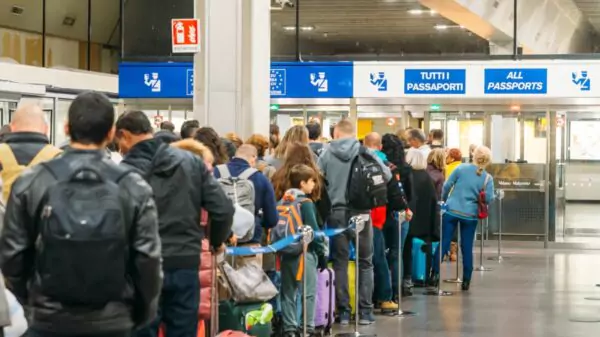







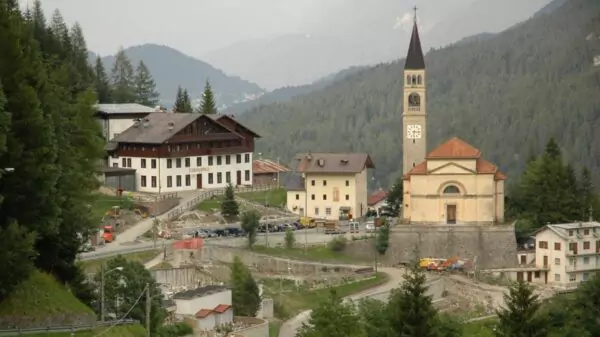













A partir de 1861, cerca de 30 milhões de italianos emigraram em busca da sorte no estrangeiro
[highlight background=”” color=””]O conteúdo a seguir não representa necessariamente a opinião do Italianismo[/highlight]

Entre 1861 e 1985, quase 30 milhões de emigrantes deixaram a Itália. Foi como se a inteira população italiana do início do século 19 tivesse abandonado o país, deixando-o vazio. A maioria dos emigrantes italianos, mais de 14 milhões, partiu nos anos sucessivos à Unificação da Itália, durante o período que depois ficou conhecido como o da “grande emigração” (1876-1915).
Deles, boa parte veio para o Brasil. Aqui, foram acolhidos com os mesmos preconceitos com que, hoje, com frequência, muitos italianos tratam os refugiados do Terceiro Mundo que, em desespero, batem às suas portas.

Manifesto realizado em 1886 pelo Estado federativo de São Paulo, destinado a potenciais emigrantes italianos que decidiam partir para o Brasil.
A Grande Emigração
Inteiras cidadezinhas, como Padula na província de Salerno, viram sua população cair pela metade na década que viveu a passagem do século 19 para o século 20. Desses, quase um terço tinha como destino dos sonhos a América do Norte, que tinha uma grande necessidade de mão de obra.
Não eram apenas trabalhadores braçais que partiam. As camadas mais pobres da população na realidade não tinham como pagar a viagem e, por esta razão, o maior número de viajantes era composto de pequenos proprietários de terra que, com suas parcas economias conseguiam adquirir a passagem de ida para o Novo Mundo.
Após duas décadas em que os principais destinos eram Brasil, Argentina e Uruguai, Nova York e os Estados Unidos em geral tornaram-se as metas mais procuradas. Mas não eram as únicas, da mesma forma que não se partia apenas do sul da Itália. Os genoveses, por exemplo, já emigravam para a Argentina e o Uruguai bem antes de 1861.
Exatamente como os refugiados que hoje chegam à Itália (e a vários outros países europeus), os emigrantes italianos geralmente não iniciavam a aventura com toda a família: quase sempre a emigração era programada como uma necessidade temporária, e quem partia era geralmente apenas um homem sozinho.
Uma exceção importante a essa regra foi a grande emigração camponesa de inteiras famílias do Vêneto e do sul da Itália para o Brasil, sobretudo logo após a abolição da escravidão (1888) e o anúncio, por parte do governo brasileiro, de um vasto programa de colonização e de benesses (falsas) oferecidas aos imigrantes.
Viagens da esperança
Quase sempre, quem partia das regiões do norte embarcava em Gênova ou no porto de Le Havre, na França. Quem partia do sul do país, por seu lado, embarcava em Nápoles. A relação entre passageiros da primeira classe e os da terceira era de 17 mil a 5 mil, e as diferenças do tratamento dispensado a esses últimos eram abissais. Para estes, era dado apenas um saco cheio de palha e um único banheiro estava disponível para cada 100 pessoas. Eram os únicos confortos de uma viagem que podia durar um mês ou mais.
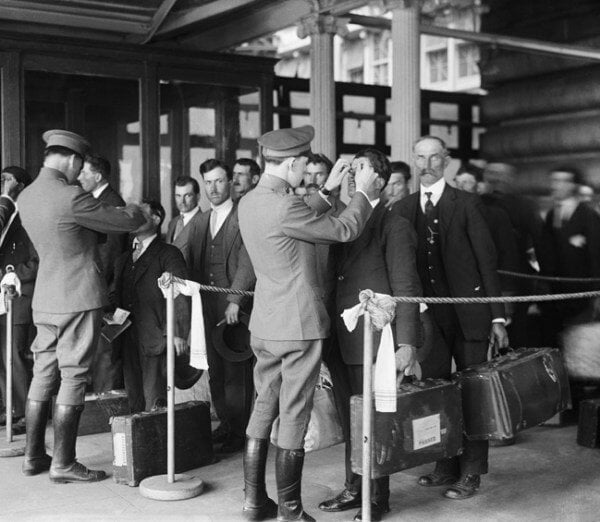
O principal ancoradouro das naves carregadas de imigrantes destinados à América do Norte ficava na ilha de Ellis Island, na baía de Nova York. No Brasil, Santos e o Rio eram os portos principais (a triagem das pessoas costumava acontecer depois, em São Paulo). Muitas morriam durante a viagem e as que sobreviviam eram submetidas logo após a chegada a exames escrupulosos feitos pelas autoridades sanitárias. Temia-se que os italianos trouxessem doenças como o tracoma (uma infecção ocular que pode levar à cegueira). Após as visitas médicas, acontecia uma consulta psico-comportamental. Quem não superasse os controles, que normalmente duravam até três dias (em ambientes tipo prisões), era marcado com um X estampado na roupa e mandado de volta no primeiro navio disponível.
Nos documentos fornecidos aos italianos, ao lado da escrita White (branco), que indicava a cor da pele, aparecia as vezes um ponto de interrogação: mais um indício do racismo sofrido pelos italianos por uma parte da sociedade norte-americana da época.
Na América do Sul era bem mais fácil conquistar um lugar na nova pátria, mas nos Estados Unidos as dificuldades eram enormes. Por essa razão, no norte, os italianos preferiam se organizar em guetos que rapidamente se torvam bairros italianos nos quais as crianças frequentavam escolas paroquiais italianas, o que atrasou muito o aprendizado e a difusão da língua inglesa nessas comunidades.
Preconceito racial
Nos Estados Unidos, que pouco tempo antes tinham abolido a escravidão, dizia-se que os italianos “não eram negros, mas também não eram brancos”. Na Austrália, um outro destino importante para a imigração, as coisas eram ainda piores: a chegada dos italianos era definida como “a invasão dos peles-verdes”. Os italianos eram classificados como pertencentes a uma “raça inferior” ou constituintes de “uma estirpe de assassinos, anárquicos e mafiosos”. Numa interceptação telefônica em 1973, o presidente norte-americano Richard Nixon não pode ser mais claro. Ele disse: “Não são como nós. A diferença já se nota no cheiro diverso que exalam, no seu aspecto diverso, no seu modo de agir diverso. O pior é que não se consegue encontrar um único que seja honesto”.
Limitações e fronteiras
Nos Estados Unidos, a imigração de cidadãos italianos parou durante a Primeira Guerra Mundial. Em 1921, o Emergency quota act impôs um teto ao número de imigrantes da Europa do Leste e do Sul, pois passou-se a acreditar que alguns povos – italianos em primeiro lugar na lista – fossem menos assimiláveis. Apenas durante a Segunda Guerra Mundial, graças ao alistamento de muitos ítalo-americanos nas fileiras do exército norte-americano, a integração conseguiu dar importantes e concretos passos para a frente.
Talvez exatamente por causa dessa integração ocorreu, logo depois do final da guerra, uma retomada da emigração italiana aos Estados Unidos. Mas ela durou pouco: na própria Europa acabara de se abrir um nova rota de emigração, desta vez para os países do Norte: França, Alemanha e Bélgica, os mais procurados.
Mas, nem mesmo nesses países os italianos foram acolhidos de braços abertos, até porque a metade deles partia como clandestino, sem trabalho. Desafiavam leis e preconceitos e tentavam atravessar fronteiras imbuídos da indestrutível esperança de garantir para si mesmos e suas famílias uma vida melhor.
Por Equipe Oásis/brasil247