







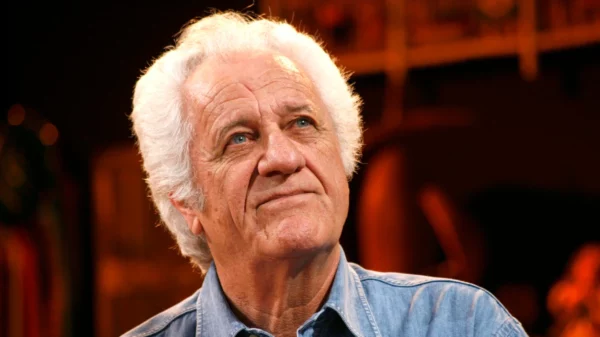
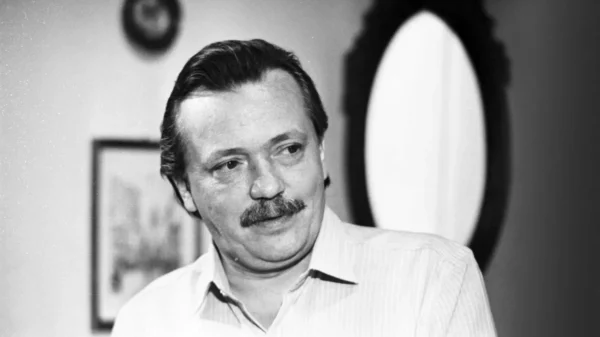



















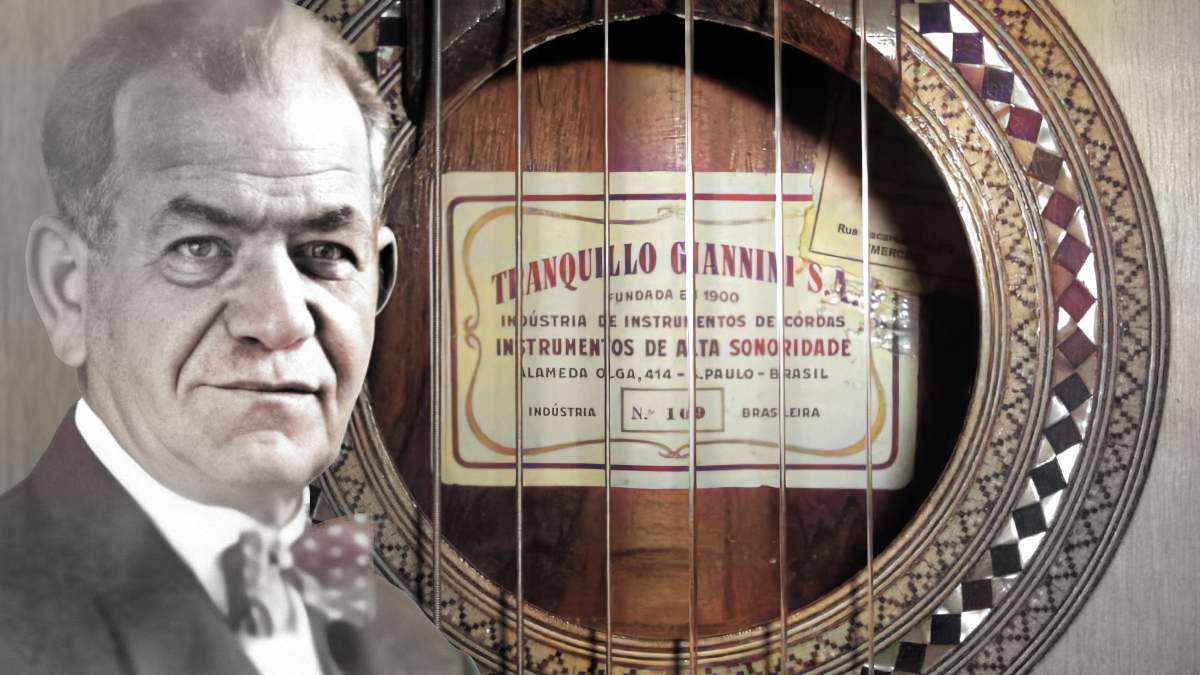
The Italian luthier Tranquillo Giannini He arrived in Brazil in 1896 at the age of 20 and left his mark on several generations of musicians.
He is responsible for the Giannini brand, which began in 1900 with the artisanal manufacture of guitars in his own 150 square meter house, located on Rua São João, in the central region of São Paulo.

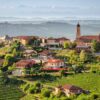
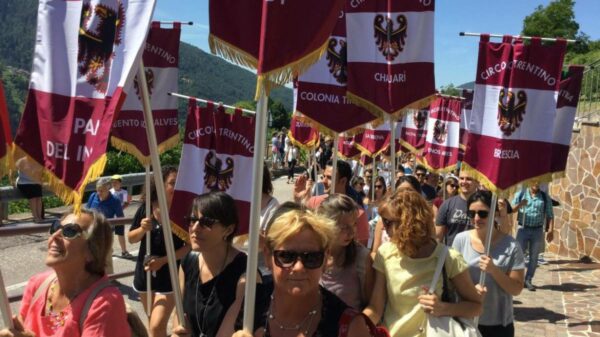
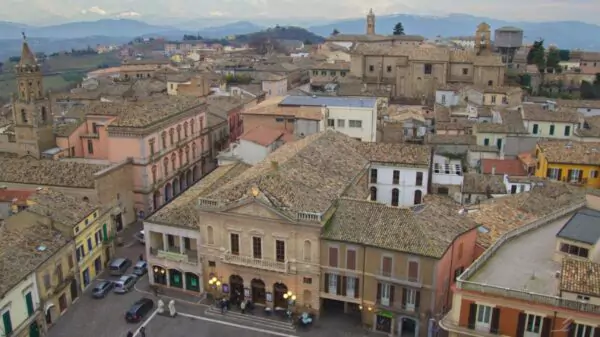
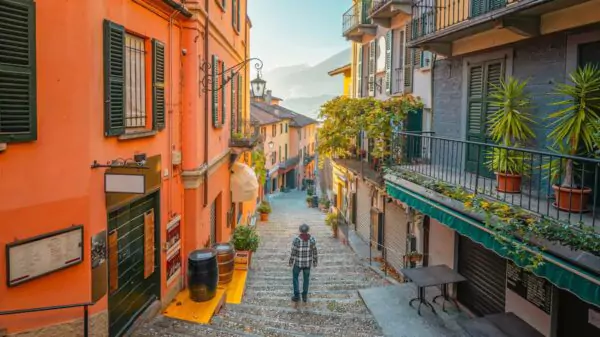
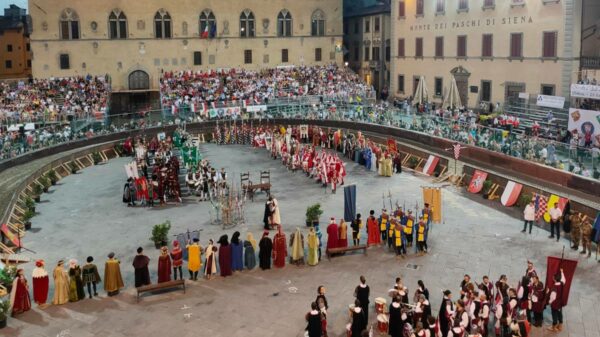
Tranquillo Giannini was born in the city of Lucca, on October 8, 1876. Today with 91 thousand inhabitants, the city is in the region of Toscana and in the province of Lucca. It is also the birthplace of the opera composer Giacomo Puccini.
Take a virtual tour of Lucca, Tuscany:
In Brazil, Giannini started repairing guitars for friends and saw that the models were all imported. Thus, he faced the challenge of manufacturing the instrument. More than that, he took on the mission of promoting the guitar in São Paulo society, which identified the instrument with the bohemian life of the marginalized, mainly in Rio de Janeiro.
Tranquillo's company, pompously named “Large String Instrument Factory of Tranquillo Giannini – To the Modern Guitar”, initially produced 2.500 guitars per year.
Not even revolutions stopped the brand from growing
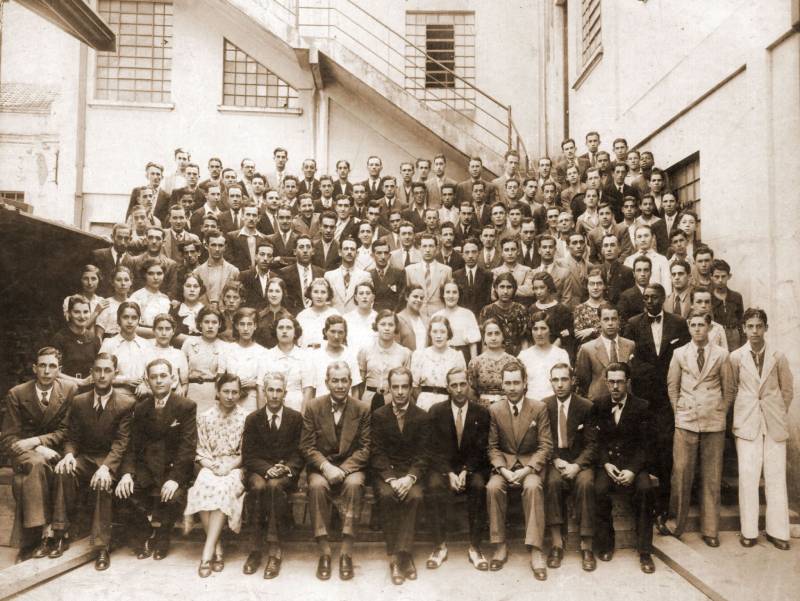
Due to the quality of his instruments, the Italian businessman began to expand his business. In the 20s, guitar schools and auditions in family homes boosted business and the factory gained a new building, on Rua dos Gusmões, in the central region of the city.
Despite the drop in sales in 1924, due to the shortage of raw materials caused by the Paulista Revolution, the company persevered. At this stage, Giannini concentrated his efforts on opening markets and began distributing in the cities of Curitiba, Belo Horizonte, Salvador and Recife.
In 1930 the company moved to a facility in the Perdizes neighborhood, in the western region of São Paulo. Amid a new revolution, Giannini began to increase the distribution of guitars throughout the interior of São Paulo, in cities such as Jundiaí, Campinas, Ribeirão Preto, Santos and Sorocaba.
Having experienced two revolutions in less than 10 years, Giannini stockpiled raw materials and, when the Second World War came, the company continued its normal growth rate.
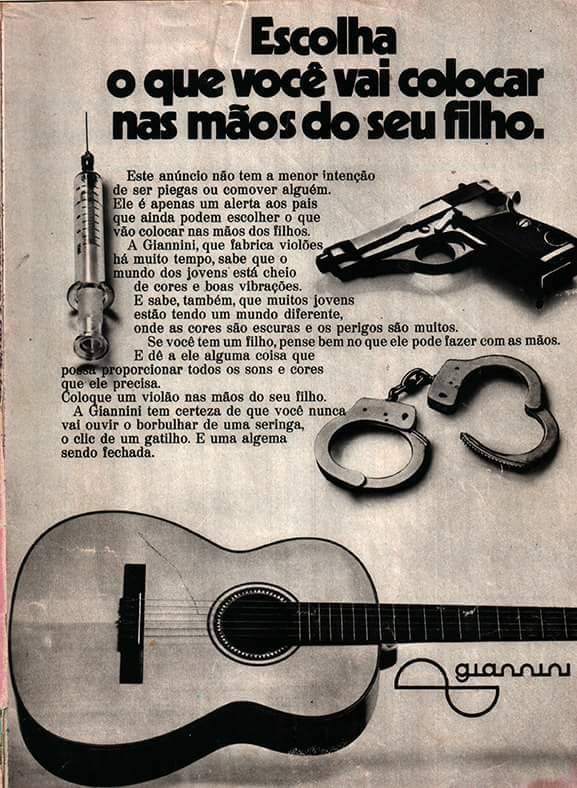
Before that, in 1938, Tranquillo set up a small metallurgical plant, to depend less on imports of strings and tuners. The strings, which were used only for personal consumption, began to be sold on the market in 1940.
Giannini always remained in the family
After Tranquillo's death in 1952, the company was led by Stella Coen Giannini, whom the Italian married in 1928. As the couple had no children, the nephew Giorgio Coen Giannini He became involved in business and assumed the role of commercial director in 1956.

In the 60s, the company experienced great times with musical movements such as Bossa Nova e Young guard. It was at that time that the Tranquillo Giannini SA He began manufacturing electric guitars and exporting his instruments.
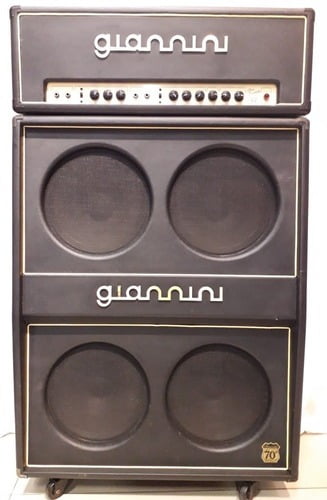
At the same time, the lack of professional amplifiers in Brazil provided a new leap for the company, which began to manufacture equipment equivalent to the best imported equipment. A team specializing in electronics was hired and Gemini, Supersonic and Apollo guitars also began to appear.
Craviola conquers musicians from all over the world
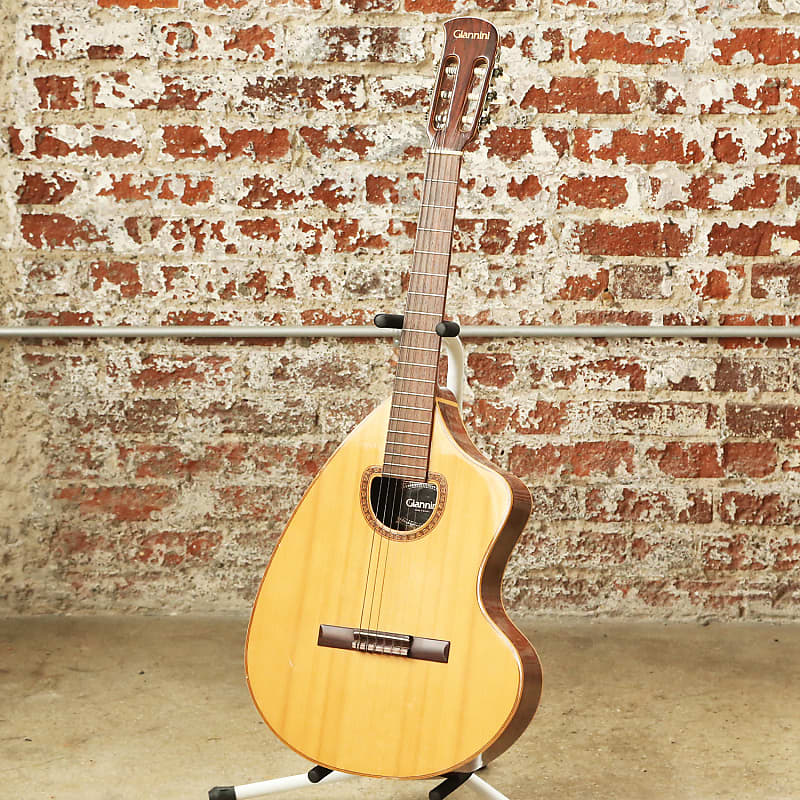
In 1969, the creation of the Craviola, joint idea of Giorgio Giannini and guitarist Paulinho Nogueira. Giannini's exclusive instrument, with a mixed sound of harpsichord and viola and s differentiated, won the world and was adopted by musicians like Jimmy Page and Andy Summers.
In the 70s, the company moved to Alameda Olga, where it remained for 40 years on Rua Carlos Weber, in the Vila Leopoldina region, in the West Zone of São Paulo. It was an area of 8 thousand square meters, where 1000 employees worked. During this decade, a complete line of guitars, double basses, amplifiers, PAs and mixers were launched.
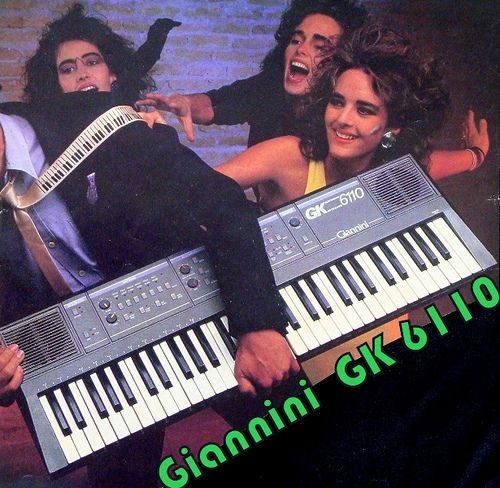
In the 80s, the company invested in marketing, participating in musical instrument fairs and in new instruments, such as keyboards and organs for home use. Exports already reached countries such as the United States, France, Italy and Germany.
Today the company's headquarters are located in an area of 240 thousand square meters in Salto-SP and are run by the brothers Flávio and Roberto Giannini, sons of Giorgio Giannini, who died on October 16, 2018.
Brand is part of the formation of Brazilian musicians
It is difficult to find a Brazilian musician who does not have some affectionate memory linked to Giannini, especially in the 70s to 90s, when imported instruments were not so easily found.
The businessman Paulo Santoro Camargo, who in the 80s and 90s played double bass in dance and original sound bands in Araraquara, in the interior of São Paulo, remembers that the bass Giannini Stratosonic It was the object of desire of young instrumentalists. “I also sometimes used Giannini's Rickenbacker double bass, which was lent by a bassist friend. It was a very good instrument,” he highlights.
The musician Rodrigo Lanceloti, guitarist, vocalist and composer in several projects and member of the solo band of Nasi, former lead singer of the band Ira, met Giannini through his grandfather, who repaired accordions and received a guitar as payment.
“At the same time, the first Rock in Rio was held and my neighbor played a Giannini SG Custom. I started to like rock music and would watch it from the roof. That guitar was my dream,” says the musician, born in São Carlos-SP.
In the following years he owned two guitars Giannini Sonic and a double bass Giannini Stratosonic. “I'm a fan of Giannini's history and glory. Several guitar heroes Brazilians used, mainly Supersonicas the Lanny Gordin e Pepeu Gomes. In the 80s the master [Edgard] Scandurra immortalized riffs and hits with his supersonic 1962".
He still remembers a True Reverb amplifier from Giannini, who he met at a rehearsal of the São Carlense band Solid Rock. “When I played it for the first time it was mind-blowing. I've never found that crystal clear sound again and I've already played it in Fenders, Marshalls, Vox. They say that Giannini imitated imported amplifiers, but did better.”
National Luthier Day honors Tranquillo Giannini
In October 2019, the Chamber of Deputies approved the creation of the National Luthier Day, celebrated every October 8th, the birth date of Calm down Giannini.
Despite ups and downs in the musical instruments, Giannini remains the largest brand of musical instruments in Latin America. Fruit of the work of that Italian immigrant with skill in manufacturing handcrafted guitars and who dreamed of increasing the value of the instrument in the country.
By Roberto Schiavon | Italianism