

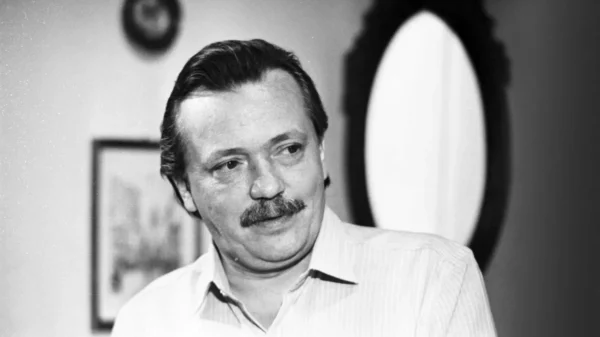







Amid the prolonged crisis in Venezuela, Giovanni, a retired Italian in his seventies, describes a daily life of fear and scarcity. He lives in Maracay, a city 100 kilometers from the capital, Caracas, where he faces runaway inflation, daily blackouts, and political repression.
Even with an Italian passport, Giovanni decided to remain in the country. “We live in terror. If you are seen as an opponent, you can end up in jail,” he said by phone. According to him, the police monitor messages and social networks, forcing the population to self-censor.
In recent months, rumors have increased about a possible US offensive against drug traffickers linked to the Venezuelan government. "We are not afraid of that. We have hope," Giovanni stated. According to him, the local Italian community—composed mostly of descendants of immigrants—sees American action as a possible way out of the crisis.
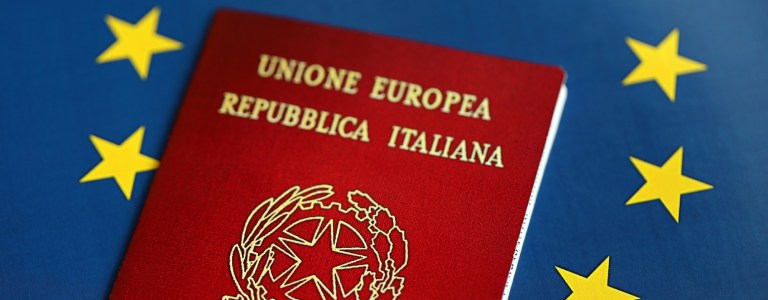
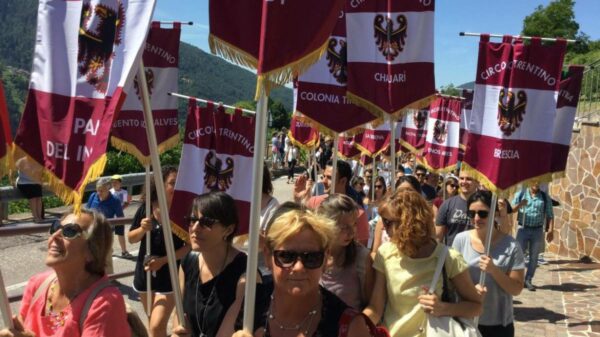
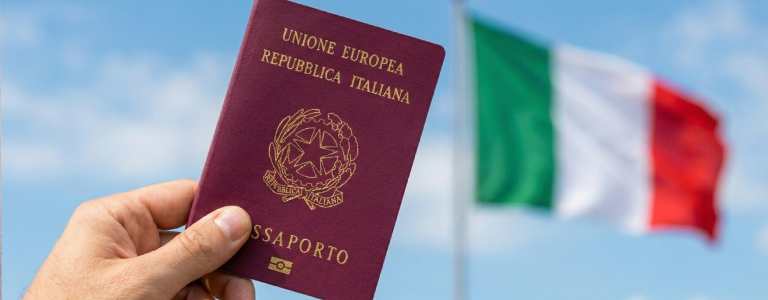
Currently, Approximately 130 Italians with passports live in Venezuela., according to data from AIR (Anagraph of the Italian Residenti all'Estero)However, the number of descendants with Italian ties may exceed half a million. Many have roots in regions such as Veneto and Southern Italy, a result of intense post-war migration.
In recent years, with the deterioration of economic and political conditions, there has been a significant increase in demand for Italian citizenship via the Italian national citizenship route. the right of blood (Right of blood). Consulates and the embassy in Caracas even registered long lines and an increase in requests — and corruption, as Italianismo showed in the article “Italy investigates fake citizenship for Nicolás Maduro ally".
Giovanni, who received less than a dollar a month in retirement, denounces corruption in the country. "They stole everything. They continue to steal everything," he tells the newspaper Il Messaggero. He also mentions the case of Alberto Trentini, an Italian aid worker imprisoned for 11 months without clear explanation.
The Italian community in the country, largely critical of the government, faces uncertainty about the future. "The biggest fear would be retaliation from the regime following an international offensive," Giovanni concludes.