



















As expensive bills The economic changes that Italy (and not only) has to deal with are putting Italian families and entrepreneurs in serious difficulty. Among the indirect effects of the recent increase in costs – a result of the war between Russia and Ukraine – is also the change that is taking place in the kitchens of local restaurants.
Less cooking time for sauces, refrigerators turned off on closing days and the return of some machinery from grandmothers' times. These are some of the alternatives that Italian chefs are implementing to try to overcome the increase in costs, mainly in cooking gas and electricity.

The chef Davide Oldani, from the starred restaurant “D'O a Cornaredo”, in the province of Milan, told 'Il Gusto': “for cooking, technology helps in the kitchen. I use the trivalent oven (also known as a combi oven) to toast the meat and vegetables to make the broths. And to cook the pasta I use the 'passive cooker', a device that reduces CO2 emissions and saves time: it alerts you when the water boils and stops it after two minutes.”
In Veneto, Lorenzo Cogo, chef at the Dama restaurant inside the Venetian hotel Ca' Bonfadini, decided to diversify solutions to combat expensive bills: thus also avoiding the use of plastic.
Already in Thiene (Vicenza), at the Dal Cogo restaurant, he decided to eliminate, whenever possible, long cooking and braising. “The sauce remained, but it didn’t cook for as long: we didn’t exceed 2 hours, before it was 3”, says Cogo.
This is also the trick of Mirko D'Amico, chef at The Coat Club in Cepagatti: “We eliminate long menu cooking times” and “we keep the service refrigerators turned off on closing days and during preparation times”.
Mirko says he is returning to tradition. “For pasta, for example, I started using my grandmother's historic machine with the hand crank. The advice I would like to give to those who cook at home is to minimize the use of the stove by cooking the fish as fillets in order to reduce the cooking time.”
The chef Massimo spigaroli, from Antica Corte Pallavicina in Polesine Parmense, has no intention of changing her menu to combat expensive bills: “I'm not going to change anything about my cooking style, I don't think it's right to sacrifice so much experience because there's a power outage”.
Then he added: “For now my savings are trying to concentrate cooking in the ovens, using induction hobs only when necessary, not leaving pans empty. I think a large kitchen doesn’t need to be constrained by energy costs.”
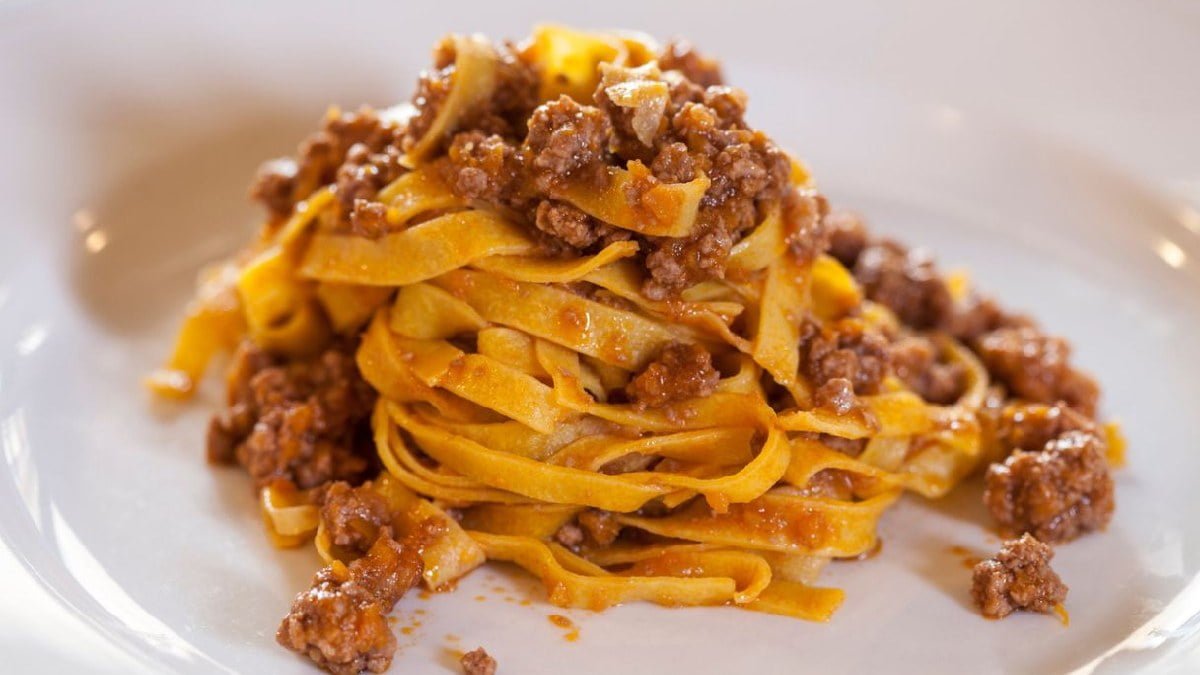
Piero Pompili, restaurant manager at Al Cambio in Bologna, shares the same line: “we have invested a lifetime and a lot of work to be able to represent a city through dishes such as tagliatelle and lasagna with meat sauce or the most classic tortellini in broth that identifies our city and it certainly won't be expensive bills to take away a gastronomic tradition made up of long cookings like ragù or broth to bring Bolognese cuisine to its knees”.
But he explained: “we need to be able to concentrate preparations even at night times where electricity consumption is lower and cheaper, especially when making long-cooking preparations. We must learn not to be afraid to concentrate work in 3 to 4 hours of service.”