

































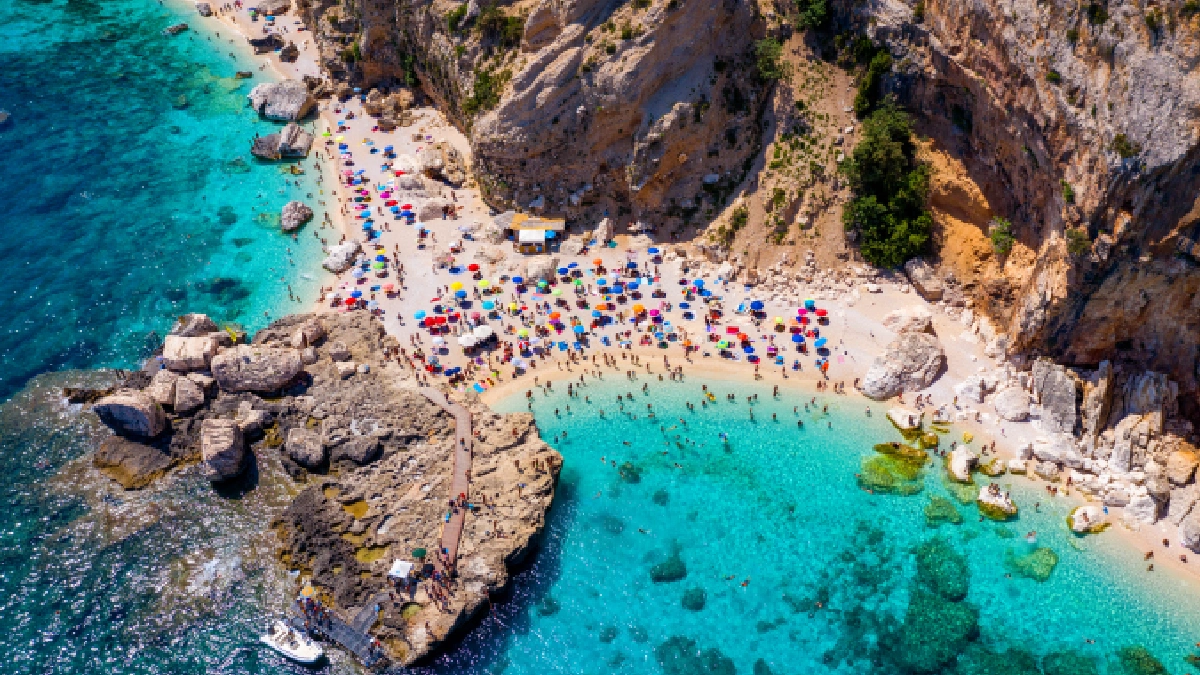
As temperatures rise and summer approaches, it's that time of year when tourists from around the world head to Italian coast.
Despite the great popularity of Italy's two largest islands, the Sicilia and Sardinia, known for their magnificent beaches and vivid blue waters, the popularity of these islands has caused damage to the local environment, with rubbish accumulation and sand theft being the main problems.

However, this summer local authorities are taking extra measures to preserve the environment, imposing strict daily limits on visitors, with some of the famous islands' most sought-after beaches at the forefront.
Although Baunei, a small village located in a remote region of Sardinia, has set daily visitor limits in previous years, restrictions on the number of bathers allowed to visit some of the most beautiful beaches along its 40 kilometers of coastline overlooking the Gulf of Orosei will be even more severe this summer.
“Our land is mainly made up of high, steep cliffs where mouflons [wild sheep] and falcons live, and only a dozen beaches, so everyone flocks to them, filling them with people,” says Stefano Monni, mayor of Baunei, at CNN.
“We cannot have thousands of bathers every day in one place, as in the past, it is unsustainable”, says Monni.
There are four beaches that are being affected. Cala dei Gabbiani and Cala Biriala have 300 visitors per day, Cala Goloritze has 250 and Cala Mariolu, the largest of the beaches, has 700 people.
The entrance fee for visitors to Cala Goloritze, which is only possible on foot or by boat, will be six euros.
Beachgoers must reserve their spot at all of these locations via the app Cuore di Sardegna (or Heart of Sardinia), at least 72 hours before the visit. Payment of the entrance fee to Cala Goloritze can be done online or in cash at the entrance to the cove.
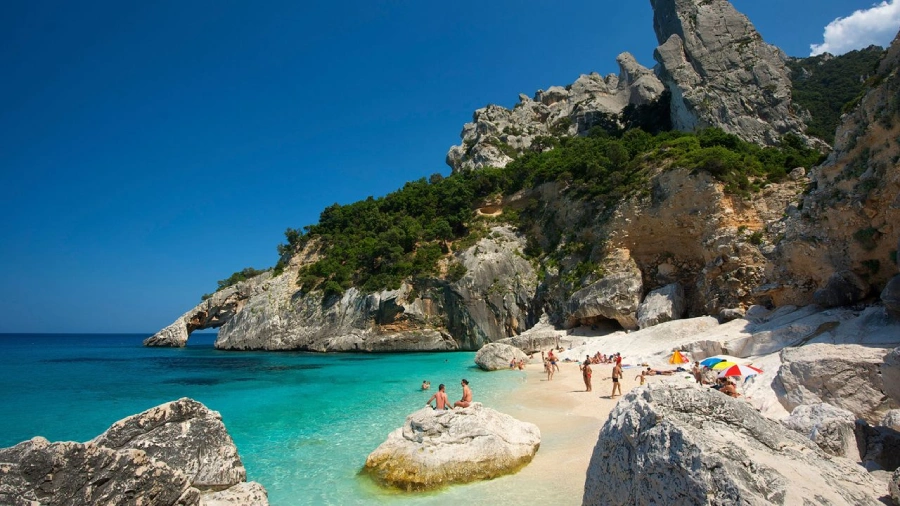
Local authorities say this fee is needed to fund surveillance, a parking lot and the maintenance of beach paths and bathrooms.
“All these beaches, even the ones with free entry, are tidy and clean”, adds Monni. “There is surveillance, assistance for bathers and cleaning services. If people want, they can leave a small contribution.”
At Cala Mariolu, one of Sardinia's most famous beaches, a fee of one euro per passenger is now applied to all tourist boats disembarking at the beach.
Another Italian beach that should be monitored to avoid overcrowding is La Pelosa, which is located in Stintino, Sardinia.
From July 1, only 1.500 people will be allowed on the beach, with visitors required to reserve their place in advance via a dedicated website.
Advance booking is free, but visitors will have to pay a fee of 1,50 euros on site to access the beach.
The famous Isola dei Conigli beach, located on the island of Lampedusa, in Sicily, has also suffered tourist restrictions. With a daily limit of 1.500 visitors, beachgoers must reserve their spot in advance via the island's official reservation website.
These measures seek to protect beaches and the surrounding environment, reducing the impact of mass tourism and ensuring long-term sustainability.
By implementing daily visitor limits, Italian authorities hope to prevent overcrowding on beaches and maintain the natural beauty of coastal areas.
If this approach proves successful, it could serve as a model for other tourism regions facing similar challenges around the world, promoting more sustainable and responsible tourism. (With information from CNN / Photo: Depositphotos)
FOLLOW ITALIANISM