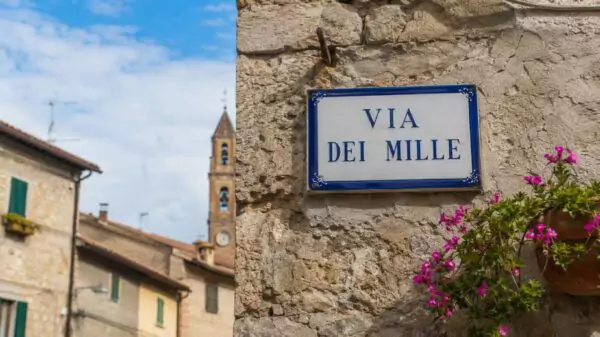
















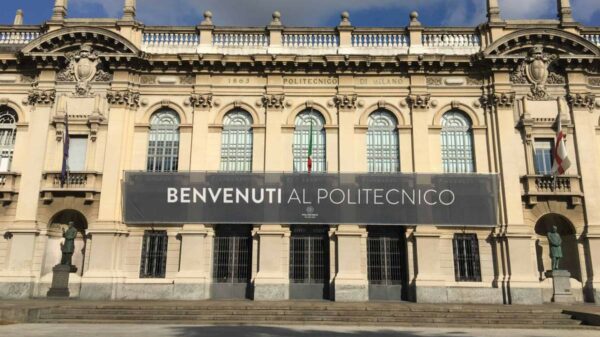
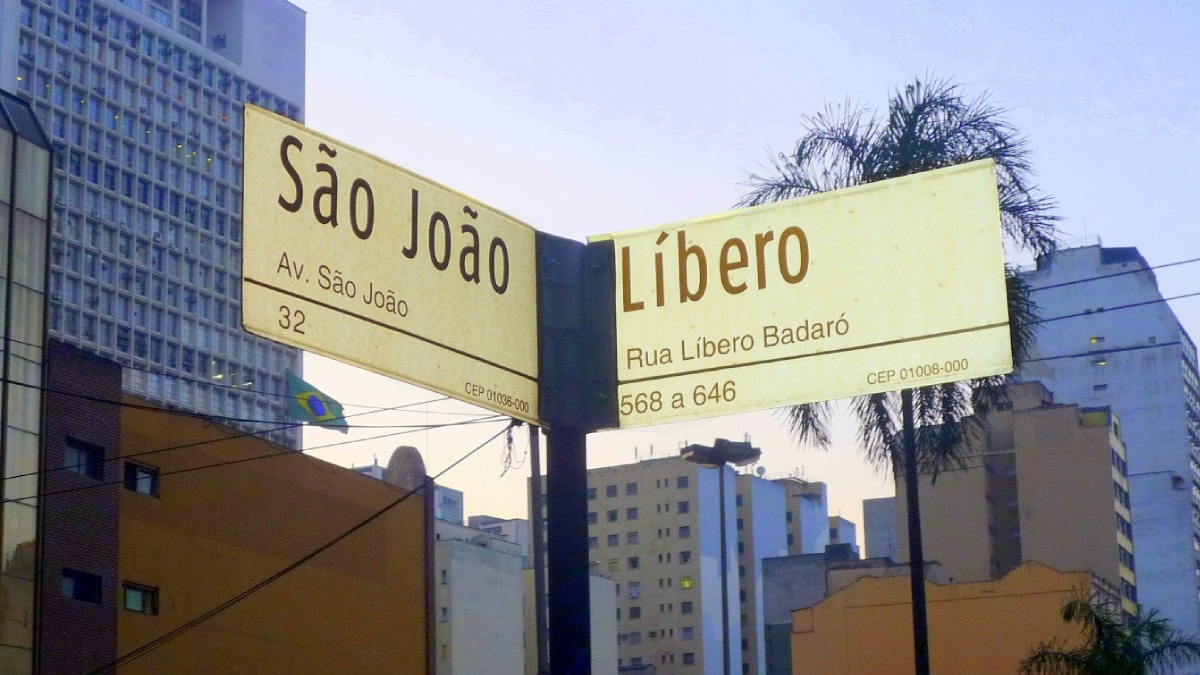
São Paulo is home to a vast Italian legacy, and this historical link is present even in the names of streets and avenues.
But who were Gabriele D'Annunzio, Líbero Badaró and Vitório Mazzei? What was the relevance of these Italian figures to the history of the city?
O Street Dictionary of São Paulo, maintained by the Municipal Historical Archive, offers detailed answers to these and other curiosities about the streets of the capital of São Paulo.
Since 2003, the Urban Memory Center of the Municipal Historical Archive has been responsible for managing this digital platform, which brings together information on the origin of the names of streets, squares and avenues in the city.
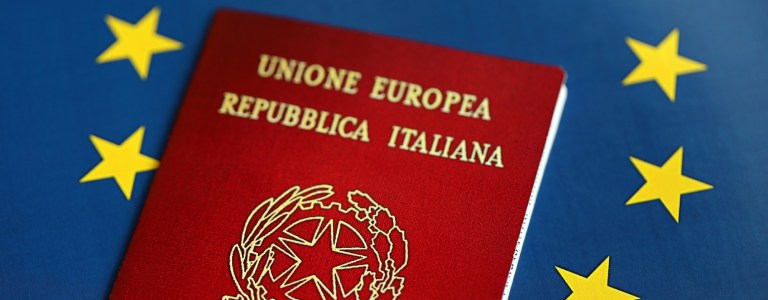
The Supreme Court reaffirmed: citizenship is born with the person.
- New legal front opened
- Processes can still be filed.
- Individual assessment before any decision.
In addition to biographies and meanings, the site also offers a collection of historical images of São Paulo, allowing users to learn not only about the origin of names, but also to visualize the city's evolution over time.
With an intuitive search tool, the Street Dictionary makes navigation easier: just enter the name of the street you want to discover the story behind it.
Names like Gabriele D'Annunzio, Líbero Badaró and Vitório Mazzei, for example, gain new meanings when revealed as tributes to important figures in Brazilian history — the first, a renowned Italian writer, the second, a journalist born in Liguria, and the last, a benefactor of Vila Mazzei.
Gabriele D'Annunzio
Italian politician and writer Gabriele D'Annunzio was born in 1863. With an extravagant spirit, he also stood out as an aviator. During the First World War, he rendered significant services to Italy. He died in 1938, but his name lives on in São Paulo, reflecting his historical and cultural influence.
Free agent Badaró
João Batista Líbero Badaró, journalist and defender of liberal ideas, was born in the Italian village of Laigueglia in 1798. He graduated in Medicine in Turin, but was attracted to the study of Natural Sciences, which took him to Brazil in 1826.
In São Paulo, he worked as a doctor, teacher and journalist. Founder of the newspaper The Constitutional Observer, Badaró fervently defended liberal ideas, which led to his assassination in 1830. His last words were the famous phrase: “A liberal dies, but Freedom does not die”. Rua Líbero Badaró, in the center of São Paulo, immortalizes his legacy.
Victor Mazzei
Vitório Giuseppe Luigi Mazzei, born in 1860 in the Italian city of Pietrasanta, immigrated to São Paulo in 1895 with his family. Mazzei was hired to work on the Luz Station project and became an important benefactor in the city's North Zone. He died in 1942, but his name continues to be present on several public places in the region, highlighting the importance of his contribution to local development.
More than names, meanings
Not all streets, however, are tributes to people. In some cases, such as the Augusta Street, the name derives from Latin terms or symbolic concepts. “Augusta” means “magnificent” or “majestic” in Latin, and the name was chosen to attribute grandeur and importance to the place.
O Street Dictionary reveals that São Paulo is a city rich in history and culture, where every corner can tell a significant part of the past.