














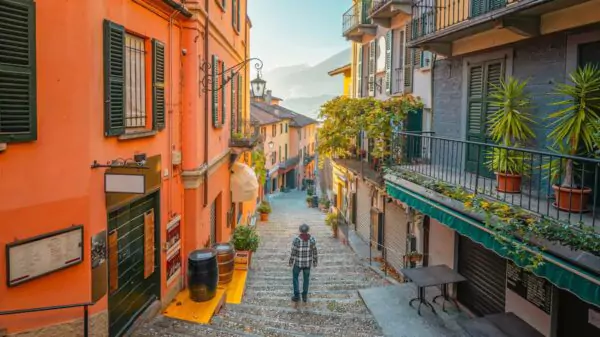






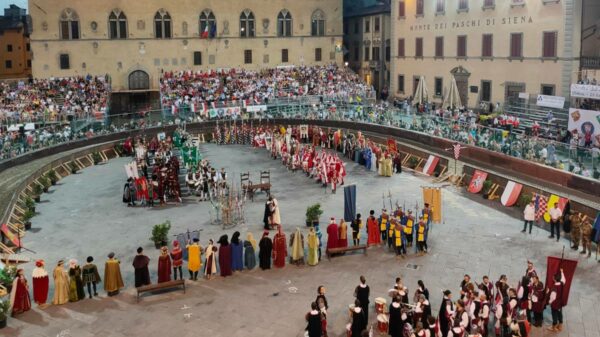









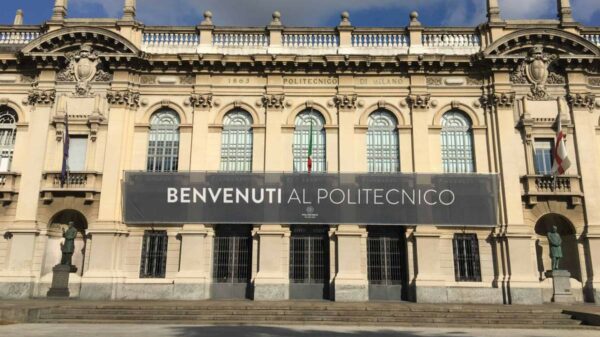

Most offer free entry and are located in cities that can add more tourist attractions to the itinerary.
A new trend in Italy is business museums.
“Made in Italy” is far from just a marketing label.

This business value, in fact, gave life to a new way of discovering cultural assets: “industrial tourism”, which has shared, through art, the very heritage of Italian companies.
This artistic and cultural reality is immense and affects all sectors. For lovers of fashion and luxury, there is “Casa Zegna”.
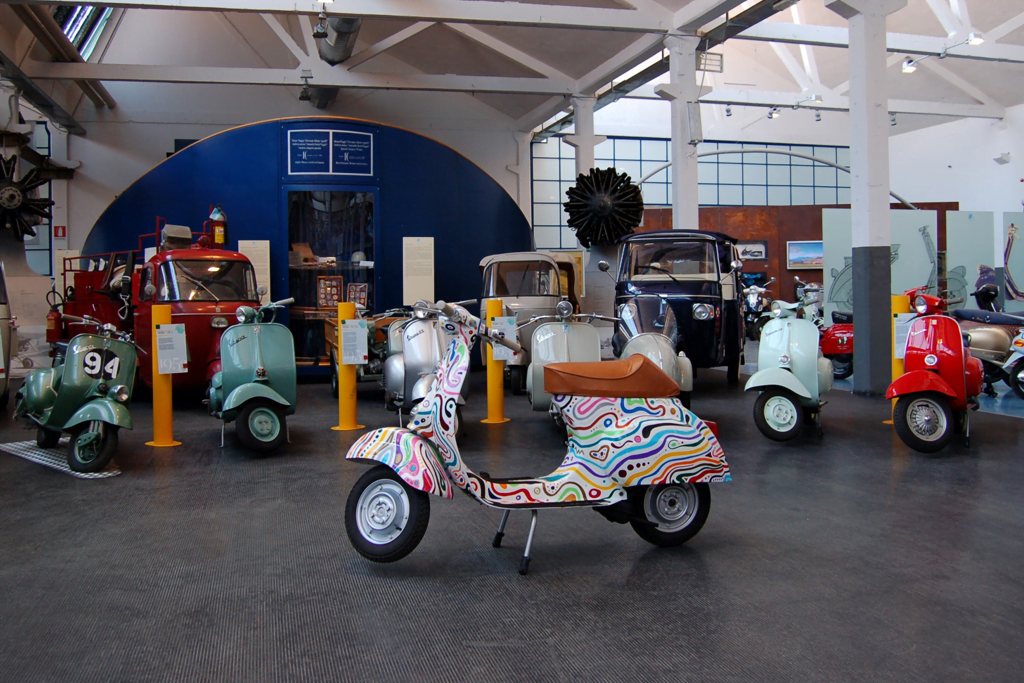
The Piaggio Historical Museum is for those who love engines. The Peroni Museum is great for those who love a beer, and the Lavazza Museum for those who don't get up without a cup of coffee.
The person who put together this diverse program was the Museimpresa association, founded in 2001, with the aim of valuing companies from a cultural point of view, valuing historical and documentary heritage.
Check out a selection of the best Italian institutional museums
Piaggio Historical Museum (Pontedera) – The wasp is one of the most Italian symbols in the world, so the Piaggio Museum, located in the province of Pisa, offers visitors the possibility of strolling among a precious collection of wasps from all eras , on a Made in Italy style trip.
After the visit, it is possible to continue the journey among the hills of Valdarno, a place of high quality wine production, and then visit the Certosa di Pisa, a former monastery built in 1366, which today functions as the Natural Museum of the University of Pisa.
Lavazza Museum (Turin) – Opened a few days ago, it was designed by the North American studio Ralph Appelbaum Associates and is located within the Nuvola Lavazza complex, a new management center for the company.
The space, which offers five different galleries to visit, allows for a sensorial journey through global coffee culture.
In the surrounding area, a suggestion is to walk in Valentino Park, with elegant squares, trees and rivers.
Also nearby, it is possible to visit the baroque complex of Stupiningi, designed in 1730, which became a UNESCO World Humanitarian Heritage Site.
READ TOO
By This is