











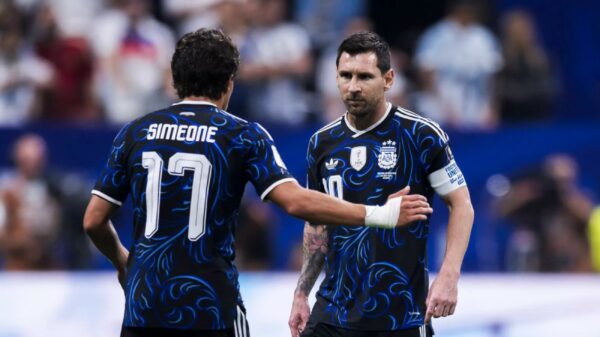


The Museo Nazionale dell'Emigrazione Italiana (MEI) in Genoa has released a video showing how Italian emigration helped found Argentina's most traditional clubs and remains alive in the national team that finished as runner-up in the 2026 World Cup, defeated by Spain 1-0 in extra time in the final played in New York.
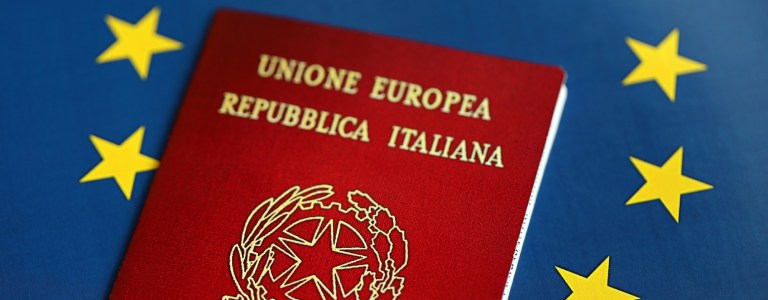
Around three million Italians crossed the ocean to Argentina starting in the second half of the 19th century. The country still hosts the largest community of Italian citizens outside of Italy, with approximately 990 registered with AIRE, according to the Italiani nel Mondo report by the Migrantes Foundation.
Clubs founded by immigrants
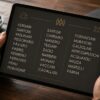
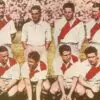
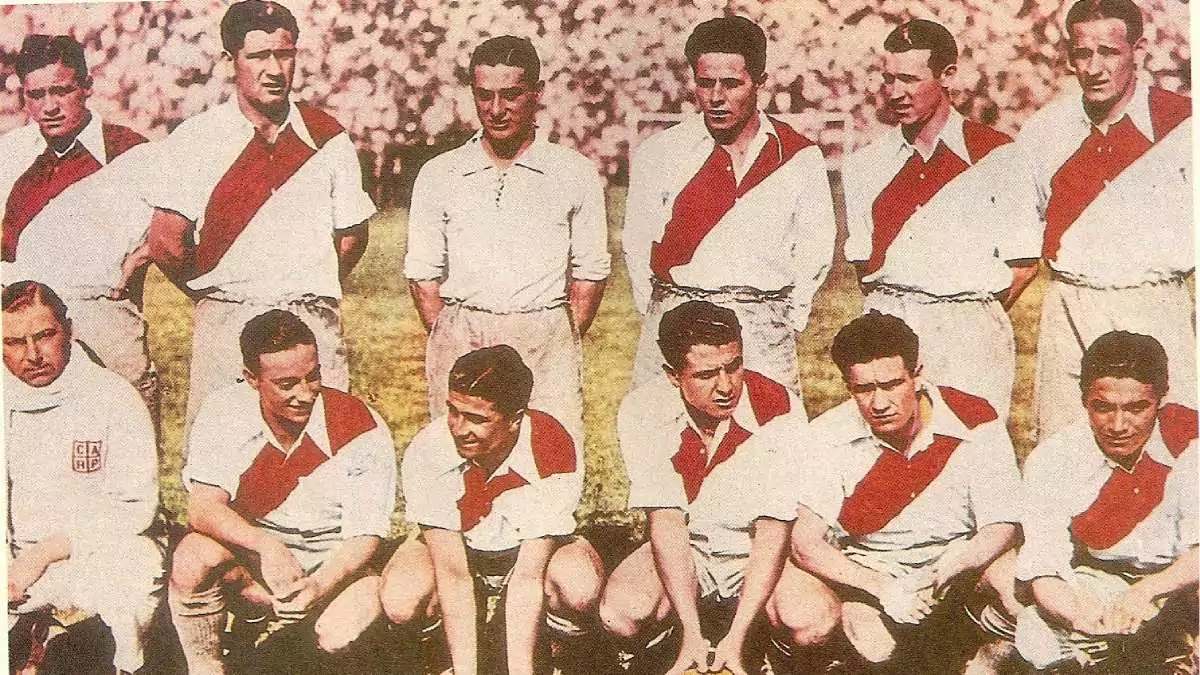
The video reminds us that several of Argentina's top teams were founded by Italians or the children of immigrants. River Plate emerged in 1901 with the participation of Enrique Zanni, Enrique Salvarezza, Bernardo Messina, and Livio Ratto.
Boca Juniors was founded in 1905 by Esteban Baglietto, Santiago Sana, Alfredo Scarpati, and the brothers Juan Antonio and Teodoro Farenga. San Lorenzo, on the other hand, was founded in 1908 by Father Lorenzo Massa, along with Antonio Scaramusso and the Monti brothers.
From Scaloni to Messi
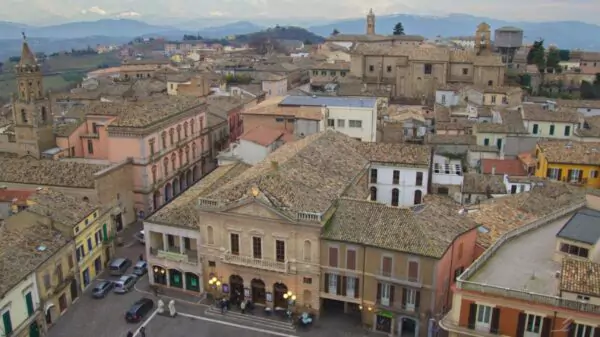
In the current national team, the Italian roots begin with coach Lionel Scaloni, whose great-grandfather left Magliano di Tenna, in the Marche region, at the beginning of the 20th century. His family history allowed him to retain his Italian citizenship.
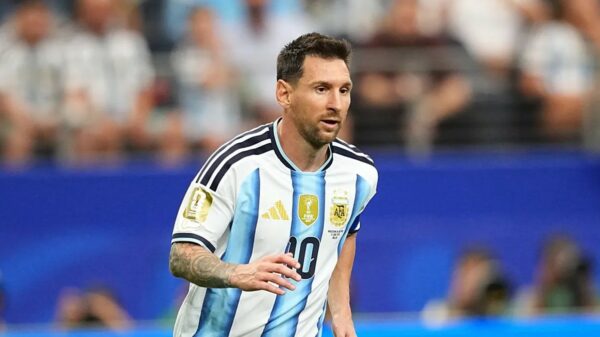
The greatest symbol is Lionel Messi. The captain descends from two families who emigrated from the Marche region: his paternal great-great-grandfather, Angelo Messi, left Montefiore di Recanati in 1883, and his maternal side originated in San Severino Marche. The player holds Italian citizenship and is registered in the municipality of Recanati.
The list also includes Nicolás Tagliafico, with paternal grandparents from Genoa and maternal family from Lamezia Terme, and Giuliano Simeone, born in Rome and descended from a family from Rivello, in Basilicata. Rodrigo De Paul, Giovani Lo Celso, and Germán Pezzella also have Italian origins.
A century of connection
The connection goes back a long way. In the first World Cup, in 1930, the top scorer was Guillermo Stábile, son of emigrants from San Pietro al Tanagro, in the province of Salerno. Later came Mario Kempes, champion in 1978, Daniel Passarella, winner in 1978 and 1986, and Oscar Ruggeri, champion in Mexico in 1986.
The reverse also happened: Argentinians Luis Monti, Raimundo Orsi, Enrique Guaita, and Attilio Demaría were world champions with Italy in 1934, and Mauro Camoranesi lifted the trophy with the Azzurri in 2006.
The video, conceived by Paolo Masini and Andrea Pedemonte, is on display at the museum and on the official MEI channels. The stories are part of the Il civico delle radici project, which installs plaques with QR codes on the homes of emigrants in Italy. (With information from the National Museum of Italian Emigration)