


































By Italianism
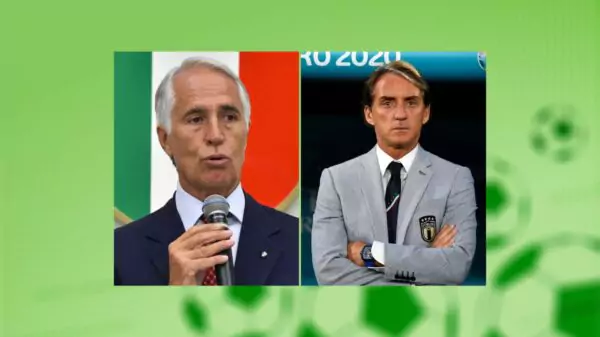
Antonio Tajani looked at Spain, saw half a million migrants about to be regularized, and perceived a threat: they “They will be able to go to Italy.The deputy prime minister even added that, for Spanish speakers, "learning Italian is easier." This statement says more about the anxiety within the Italian government than about the politics of Madrid.

Because there's a problem with the script. The Italian state's own figures tell the opposite story.
The Italian is the one leaving.
Between 2013 and 2023, approximately 560.000 young people aged 18 to 34 left Italy, according to ISTAT, based on AIRE records. Among them, almost 100 were graduates aged 25 to 34. In 2023 alone, the country lost 53.000 residents in the net loss of those who left and those who returned.
The calculation isn't just demographic. North East Foundation It is estimated that the brain drain cost Italy 134 billion euros between 2011 and 2023, roughly 10 billion per year.
Tajani's fear, therefore, rests on a fragile premise. Italy is not the coveted destination that the speech suggests. It is a country that cannot support its own children, with youth unemployment at 18,7% at the beginning of 2025 and wages below the European average.
The Spanish mirror
While Rome fears an immigration that may never even arrive, Madrid made the opposite move.It made residency more flexible, broadened pathways to recognition, and began attracting people who settle, work, and contribute. The same linguistic proximity that Tajani cited as a risk is, on the other side of the Pyrenees, an argument for integration.
There is also an underlying irony. Immigration has become the sacred cow From an irresponsible right wing that, decades ago, spoke of open doors for anyone who wanted to help build the country. Today, the same camp treats the arrival of the "other" as a problem, even when that "other" resembles culturally and economically the European that Italy claims to want.
There is freedom of movement within the European Union, that's true. Tajani is right on that point. But this freedom works both ways. And, in the past decade, it has functioned primarily as an exit strategy for young Italians, not as an entry strategy for migrants who haven't even left Spain yet.
If Italy wants to decide who enters, perhaps it first needs to answer why so many people insist on leaving.