




























the italian Angelo Del Vecchio arrived in Brazil and began manufacturing musical instruments. More than 100 years later, its products are a reference in the country.
It all started at the end of the 19th century, more precisely in the year 1.900, when the Italian Angelo Del Vecchio, born in the city of Ripon, in the region of Sicilia, received as a wedding gift a trip to Brazil.

As your wife Carmela Messina I already had two brothers who worked in São Paulo, it was in the capital of São Paulo that the couple came for a walk. However, what was supposed to be a vacation ended up becoming a turning point in their lives, as the couple fell in love with Brazil and decided to stay.
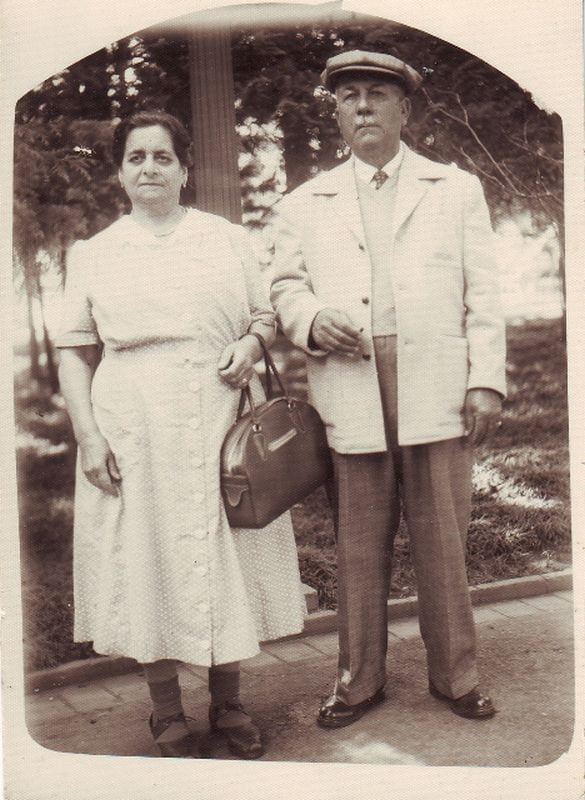
luthier Del Vecchio
As Angelo already worked as a luthier in Italy, manufacturing mandolins, he decided to continue working in the same area in his new country. To do this, he opened a small factory and musical instrument store in the old Largo Riachuelo, browse flag Square, in São Paulo, in 1902.
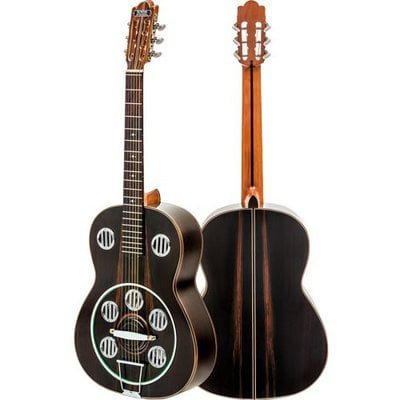
After 18 years, in 1920, the company ended up moving to Rua Aurora, in the neighborhood of Santa Ifigenia, where better working conditions increased the quality and quantity of manufactured products. From this stage onwards, Angelo Del Vecchio invented a series of guitar models, which were patented, including the model called “Dynamic Guitar”.
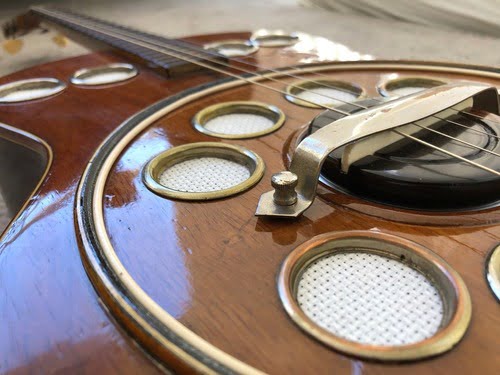
The “Dynamic Guitar” was created by Del Vecchio in 1930, and one of its main characteristics is the greater sound volume, due to the placement of aluminum cones in the center of the body. These guitars are still manufactured by the company today, to order.
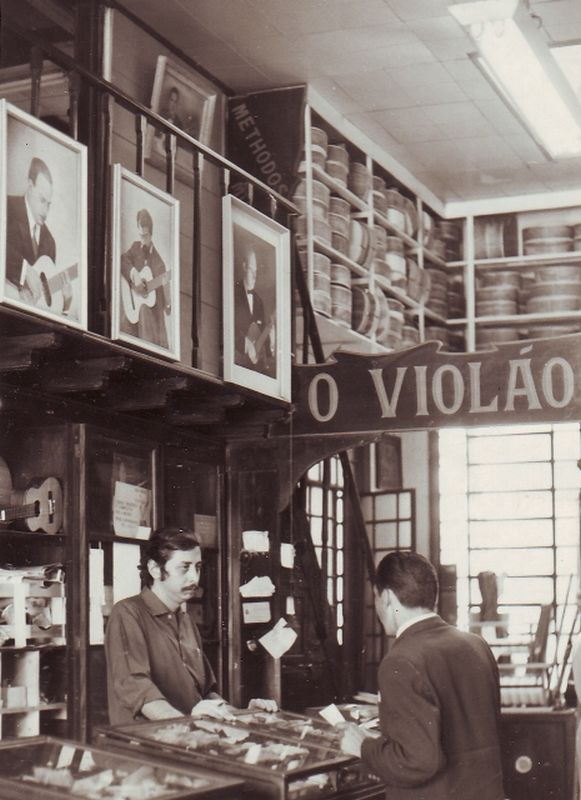
Italian tradition
It is worth remembering that, in those first decades of the 20th century, the pioneers in guitar manufacturing in Brazil, in addition to Angelo Del Vecchio, were the luthiers Tranquillo Giannini e Romeo Di Giorgio, also Italian immigrants living in the city of São Paulo.
In 1948, the company began to be run by the second generation of the family, that is, by Angelo's children, and was renamed Del Vecchio Brothers. While Francisco Del Vecchio took care of the administrative part, his brother Salvador Del Vecchio was responsible for the technical part of manufacturing.
Salvador was responsible for creating new systems and structures, which gave rise to new models of guitars, such as the so-called “Timbre Vox”, “SuperVox” e “Nylon Vox”. In 1968, with the inclusion of his grandson in the business Angelo Sergio Del Vecchio, son of Francisco and Lidia Del Vecchio, the company was renamed Casa Del Vecchio.
Del Vecchio international
From that moment on, the company began to become known throughout the country and even outside the country, due to the family's efforts to publicize the quality of your products. In the 1970s, the company expanded its service, starting to sell other musical instruments, such as wind, keyboard and percussion, among others.
From 1980 onwards, when Angelo Sergio Del Vecchio's management really gained momentum, the business expanded even further and the brand consolidated itself as one of the most important in the field of manufacturing and distribution of string instruments in the country. Therefore, the company started to operate at another address, when a new factory was installed in the Lapa neighborhood, close to the Piqueri bridge.
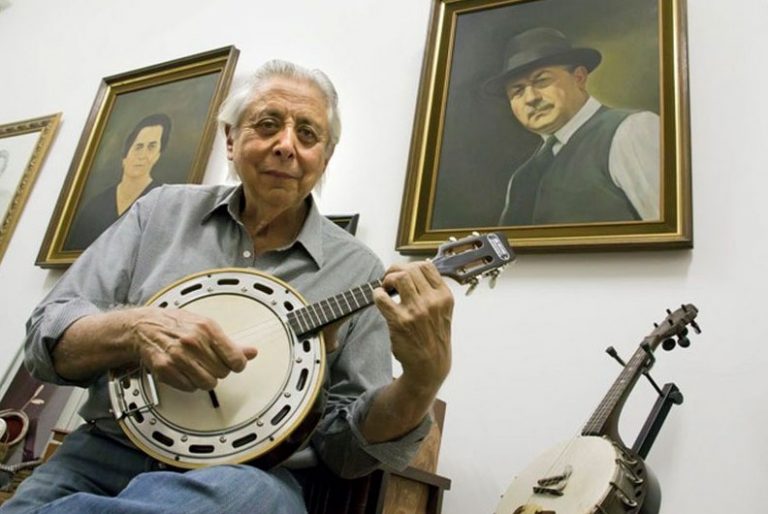
In the year of 2000, Casa Del Vecchio celebrated its 100 years of existence, tradition and its consolidation as a historic landmark in the industry of the city of São Paulo. It was at this time that the company launched the slogan “Why a century of sound cannot pass in silence”.
The strength of tradition
In the last decades until today, Casa Del Vecchio continues to be a tradition reserve amidst the musical instrument market in Brazil, which nowadays is almost entirely dominated by imported instruments, mainly from China.
The store continues to operate at the same address, on Rua Aurora, in Santa Ifigenia, for over 100 years, and manufactures a line of differentiated musical instruments, which includes guitars, violate, banjos, chips, mandolins, dynamic guitars e Hawaiian guitars. They are models for professionals, students and intermediate level instrumentalists.
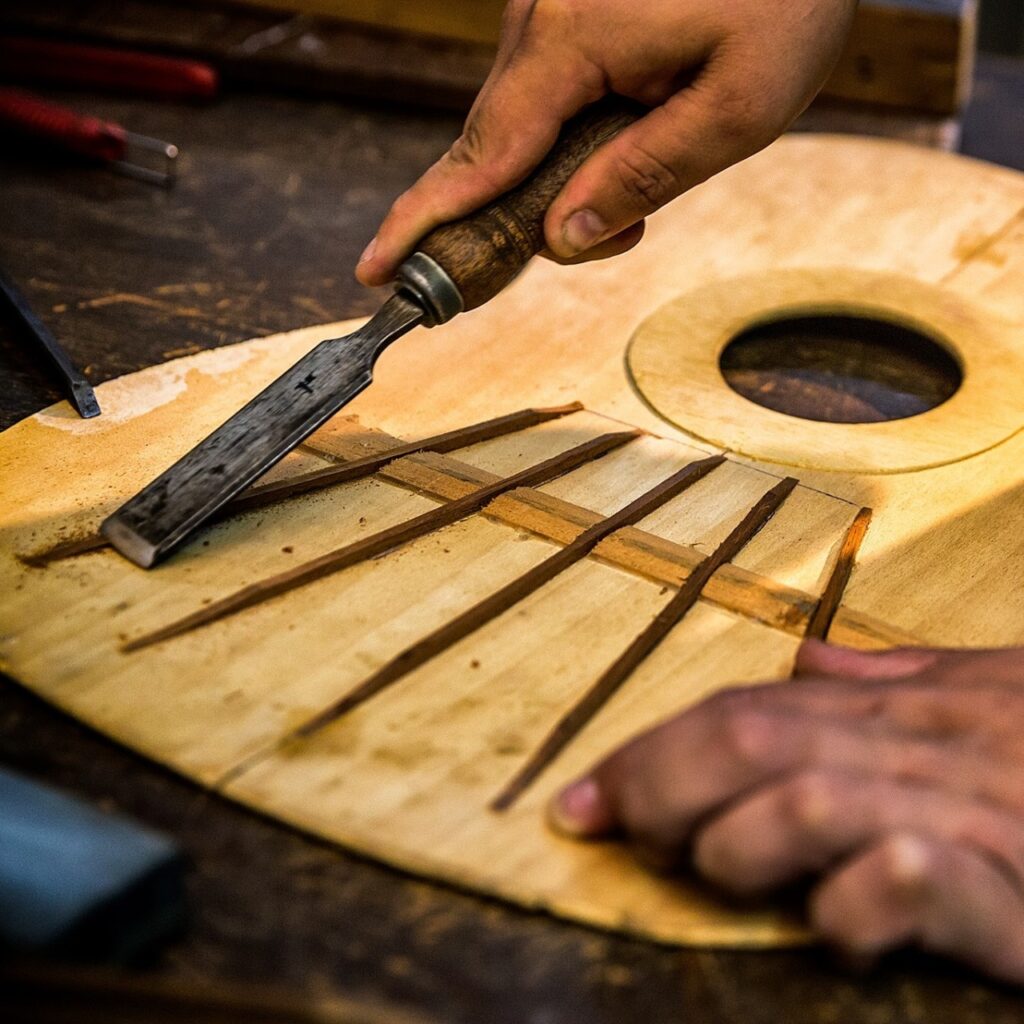
This tradition could only be maintained by a family of Italian immigrants, who made a point of keep working over the decades to manufacture the best products. With this, they ended up making a name for themselves in the world from Brazil and forever left their mark on the lives of several generations of music lovers.
By Roberto Schiavon/Italianism