


















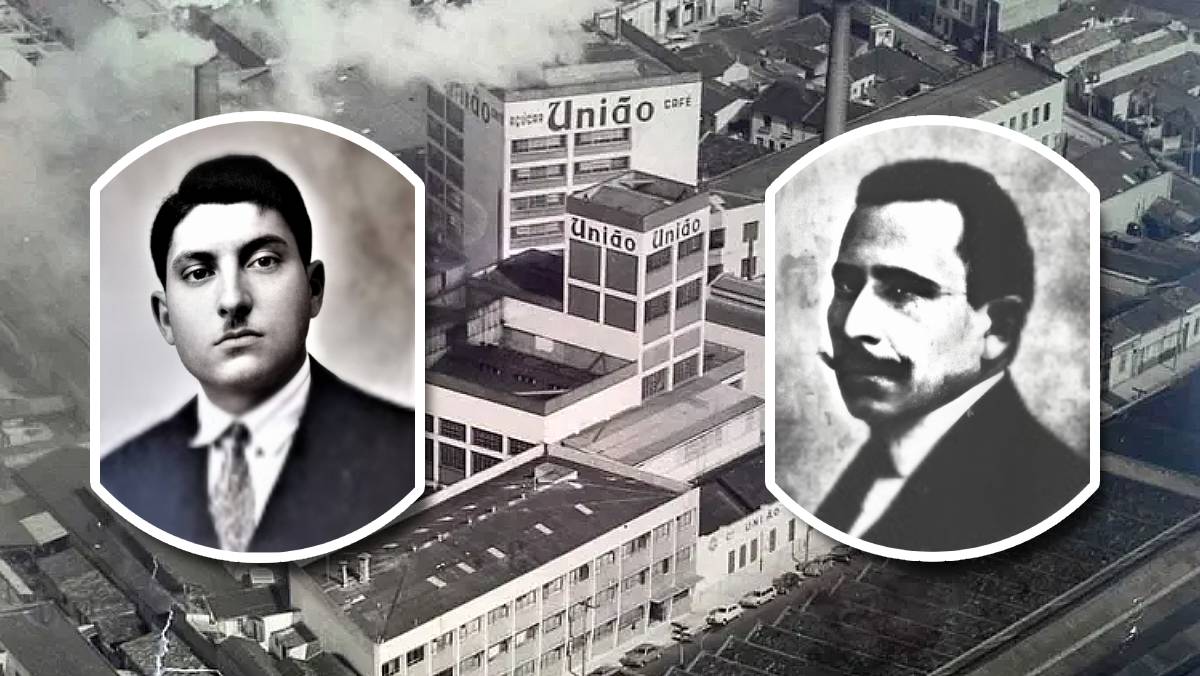
Os Carbone brothers They know what it means to undertake. Giuseppe e Nicola arrived in Brazil to sell wine and created the Companhia União de Refinadores de Açúcar.
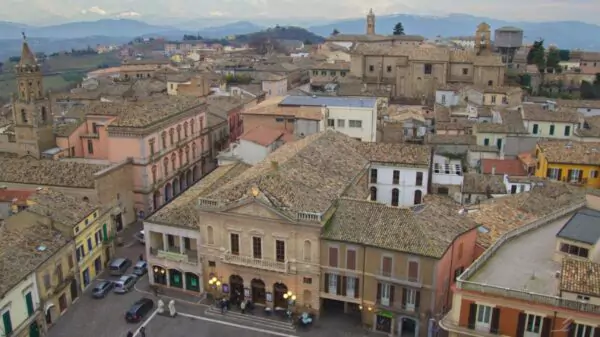
It all started when Domenico Puglisi Carbone, a wine producer who lived in the city of Ripon, located in the province of Catania, the Italy, decided to send his children to sell his products in Brazil.
Thus, brothers Giuseppe, 20 years old, and Nicola Puglisi Carbone, 17 years old, arrived in the country in 1886, with the mission of opening a commercial representation of old Domenico's wines. In 1888, they created the Puglisi Company, in Sao Paulo.
At that time, the market in Brazil was very competitive between Italian products and wines from Portugal and France. However, due to the large number of Italians in Brazil, business progressed Quite.
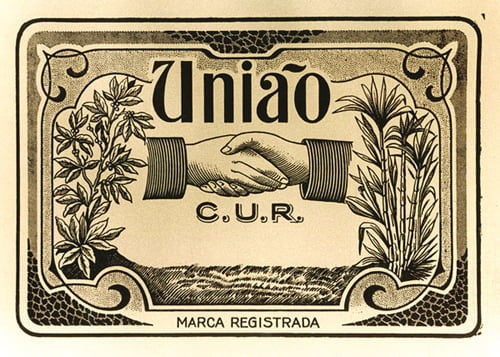
Carbone brothers bet on harmony
With your vision extremely entrepreneurial, the Carbone brothers began to observe the market and decided to go diversification of its activities. They decided to develop the sugar trade, however, they observed that there was cutthroat competition between several small refineries.
The solution they found was to bring together the little ones São Paulo refiners and convince them to leave the competition aside and come together to form a single company. This would be a way of guaranteeing everyone more products Quality and, as a result, a most loyal clientele and profits.
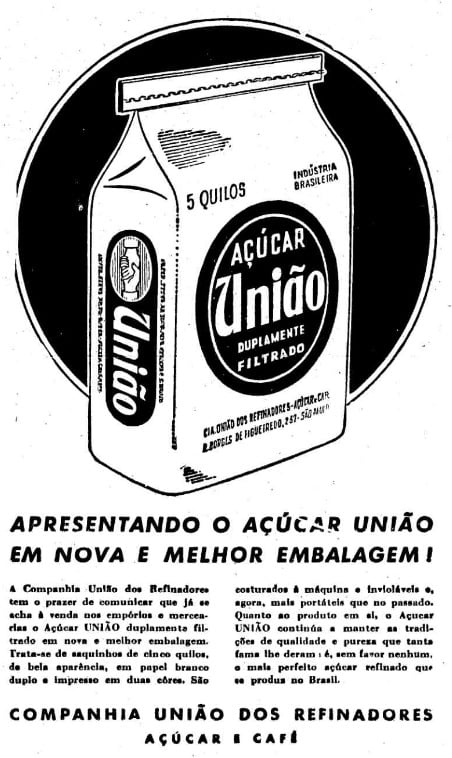
That was how, in 1910, the Companhia União dos Refinadores. It didn't take long for the strategy to prove itself to be correct.
The company, chaired by Nicola Puglisi Carbone, began its activities with 150 workers, in an area of 6.300 square meters in São Paulo.
With the popularization of coffee, it was incorporated into the corporate name, which was changed to Companhia União dos Refinadores – Sugar and Coffee.
Communication with customers makes a difference
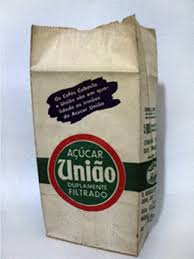
In the following years, the company's main products, Açúcar União and Café União, began to incorporate new features, including in the way they were sold. communicate with your customers. The classic example came in the 50s, when union sugar started to bring printed recipes on the back of their packaging.
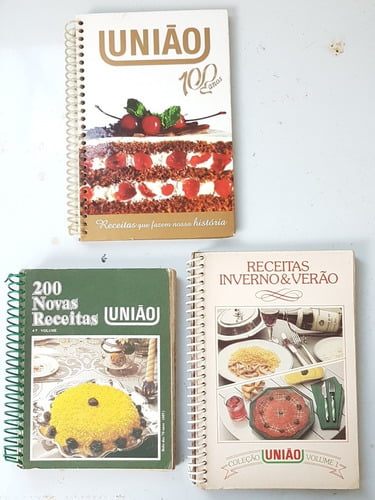
Until the 1960s, the brand began to develop a very close relationship with its public, through culinary contests, which had the winning recipes also printed on the product packaging.
The company also created the União Experimental Kitchen, to test and evaluate all recipes sent, and the results were published in books, which are now available on the group's website. Between 1962 and 2011, almost 50 thousand students participated in confectionery courses in the space Sweet Home Union.
In 1973, when he already held 95% of the market, Union control was transferred to the copersucar, and the company also began to operate in the alcohol market, with the brands Coperalcool e Unialcool.
In 2000, the company sold to Sara lee its coffee business, which included brands such as Caboclo e Pestle. In 2005, Grupo Nova América acquired União, and since 2009 the brand belongs to Cosan. Finally, in 2012, União was acquired by camil.
Over the last decade, the company has launched several lines of natural sugars, in diet, organic, brown and confectionery versions, among others. The União brand represents today 32% of the market of refined.
The brand of Italian entrepreneurship
The União factory in the neighborhood of Mooca, in São Paulo, was deactivated in 2006. But the chimney that represented the União group was preserved, as it was considered a cultural asset and historical heritage da Mooca by the Municipal Council for the Preservation of Historical, Cultural and Environmental Heritage of the City of São Paulo (Conpresp).
In 25 years in Brazil, Carbone brothers They were among the most prominent industrialists in the capital of São Paulo. They had co-participation in credit institutions, such as Italian Commercial Bank and owned the Santista Mill, a pioneering company in the production of wheat flour in Brazil.
Furthermore, they were shareholders of the Paulista Refining Company, Santos City CompanyTwo General Warehouses It's from Grande Hotel do Guarujá, a city that still has a main avenue named after the brothers.
Nicola died in 1935, aged 66, and his brother Giuseppe in 1939, aged 73. Two immigrants who left a strong mark on the italian entrepreneurship in Brazil.
By Roberto Schiavon/Italianism