
































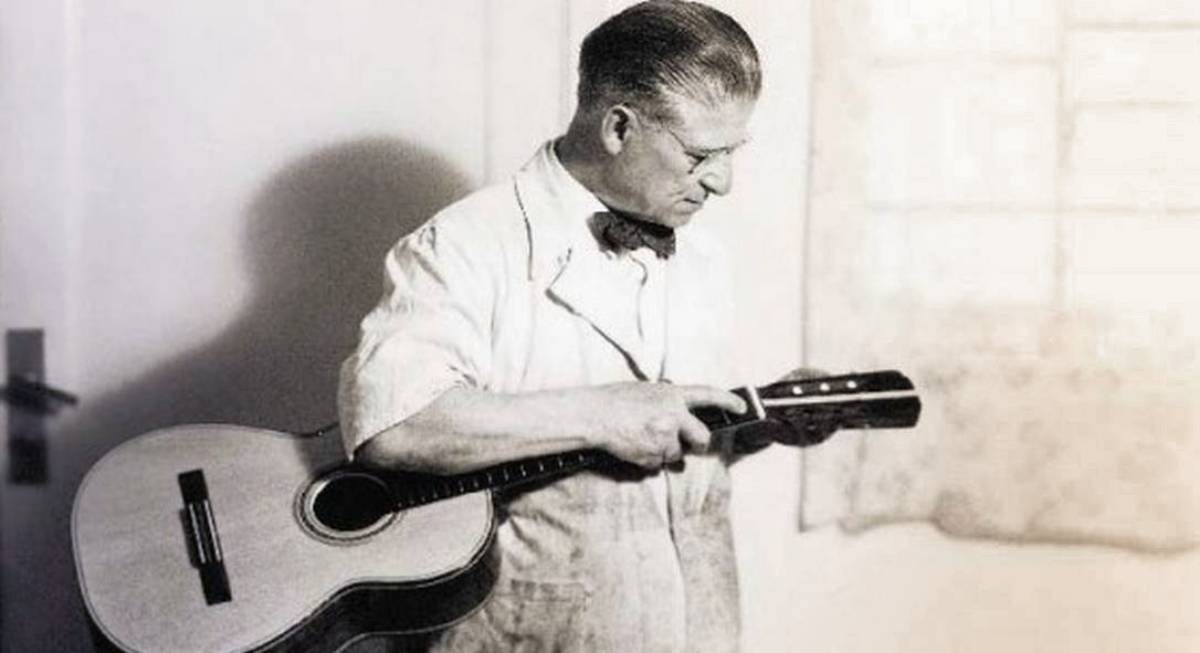
The guitars By Giorgio They are part of the history of Brazilian music. This story began with the arrival of the Italian. Romeo Di Giorgio to the country.
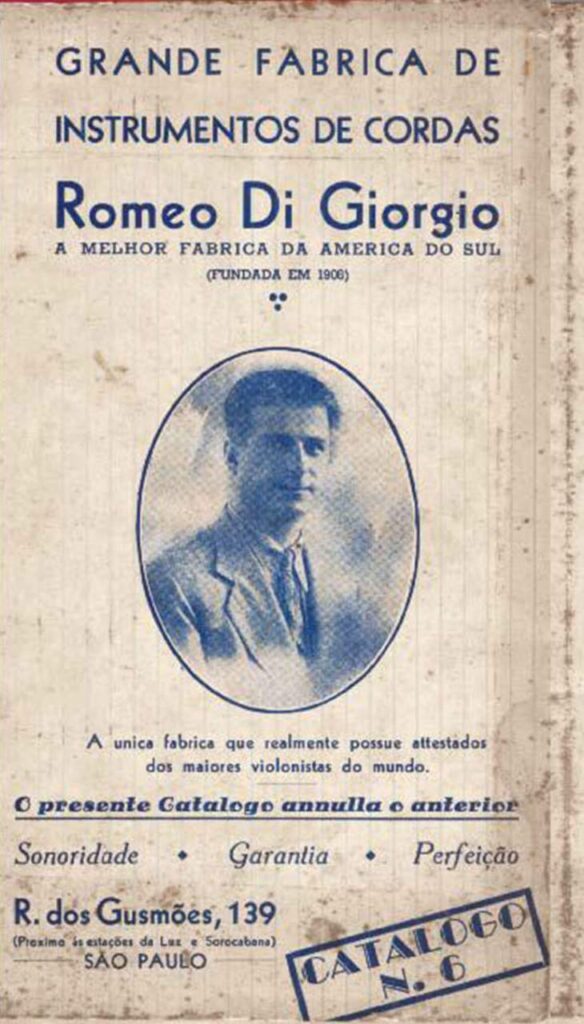
Born in 1889 in Rome, in Italy, the young luthier Romeu Di Giorgio came to Brazil very young, at the beginning of the 20st century, to find work.

Arriving here, the Italian immigrant came to live in the city of São Paulo, where he opened in 1908 the Romeu Di Giorgio Fine Guitar Atelier, starting to sell his musical instruments to Italian community.
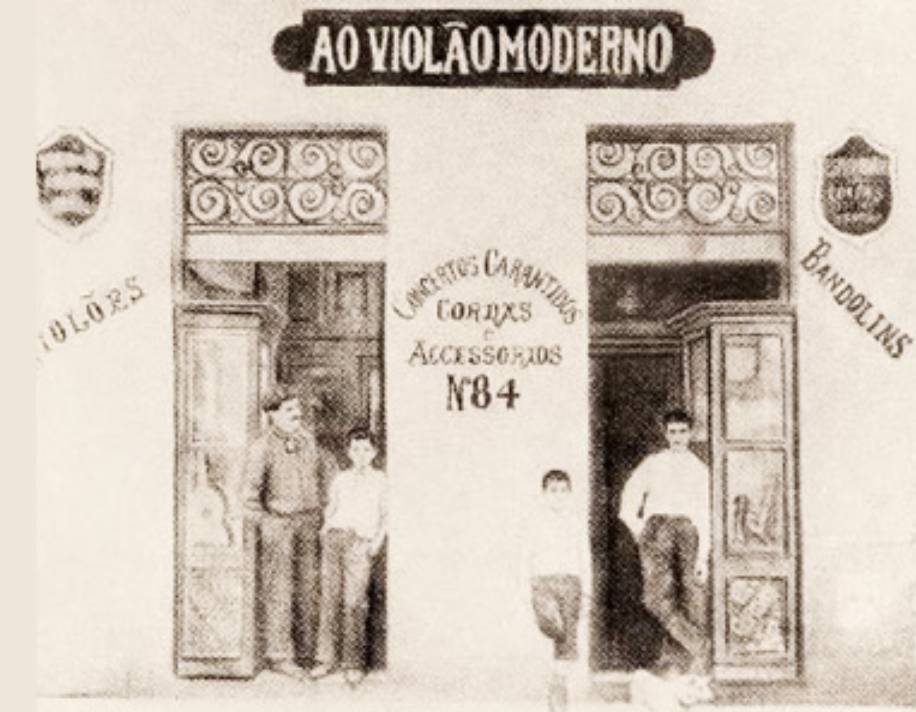
In the studio, Romeu began to put into practice the lessons he had learned from another Italian, the violin luthier Lorenzo Fritelli, who taught him the secrets of acoustic musical instruments.
Di Giorgio gains new facilities
The company also produced other stringed musical instruments, such as violas, violins, mandolins and violas da gamba, widely used by European immigrants in season.
The instruments were widely accepted by the community and sales began to expand to other audiences, ensuring the business success in the following years.
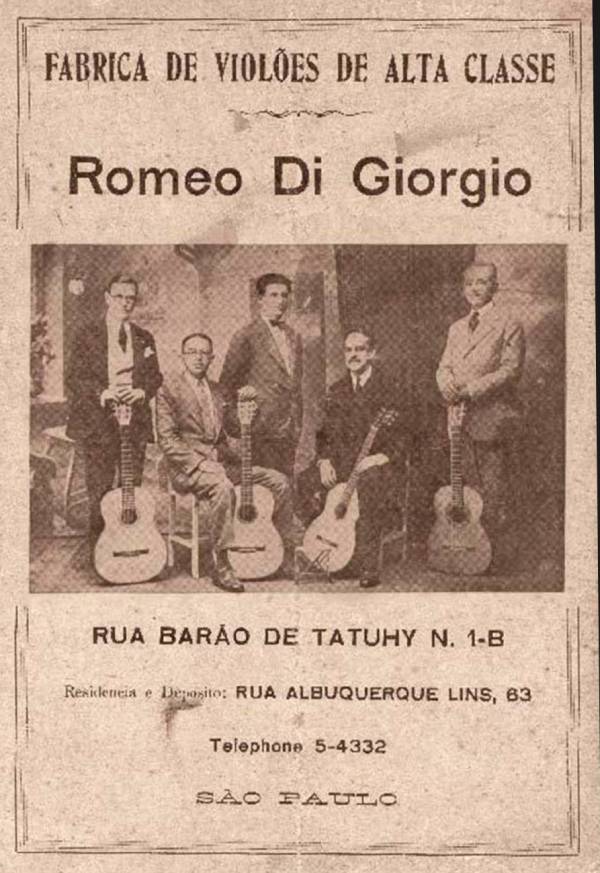
In the 40s, the company already had the name of Industry and Commerce of Musical Instruments and Strings Di Giorgio Ltda. It was when the factory gained premises on Rua Voluntários da Pátria, in the neighborhood of Santana. It was the time of serenades and guitar culture was growing in Brazil, favoring Di Giorgio's sales.
At the end of the 50s, the company had 20 employees, including the young Reinaldo Proetti, which Romeo decided to “adopt”, after the death of his only son.
Success with Bossa Nova
In the 60s came the Bossa Nova and, at that time, business grew even more. The group was already chaired by Reinaldo, who decided that the company would dedicate itself exclusively to manufacturing guitars. Thus, 1.000 branded guitars were produced per month.
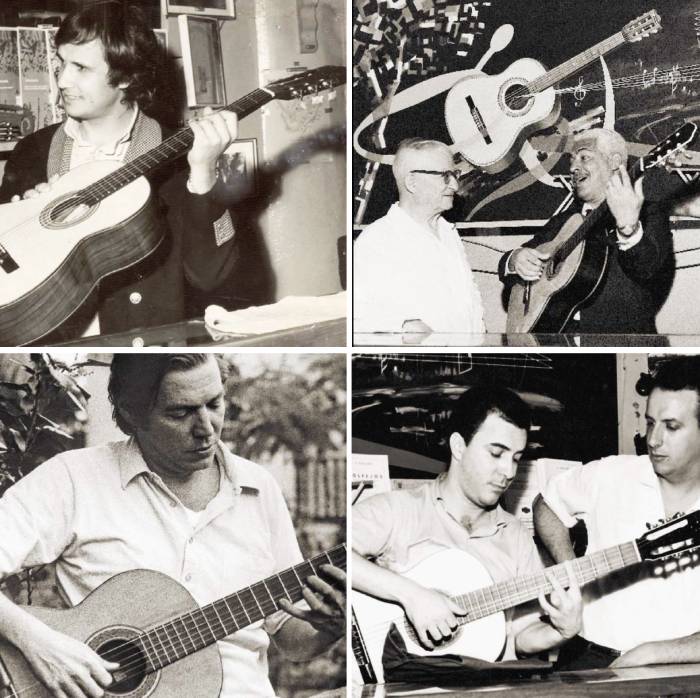
Although decisive for business growth, the change brought logistical challenges, as in the following years the enormous demand for guitars resulted in a disorderly growth of the company.
There were manufacturing points spread across different locations in São Paulo, and production of up to 150 guitars per day, without adequate structure for this.
To solve these problems, in 1985 a factory was opened in Franco da Rocha, with 20 thousand square meters, 200+ employees, and capacity to produce 6 thousand guitars per month.
The year 1985 also marked the death of Reinaldo Proetti and his son took over the business, Reinaldo Proetti Junior, representing third generation of the family.
With production concentrated in Franco da Rocha, the company began to invest in technology in the following years, when Reinaldo Neto He also started working at Di Giorgio. In 2007, shortly before the company centenary, he brought new woodworking equipment from Germany.
In 2019, Di Giorgio filed a request for judicial recovery, aiming to gain momentum for the restructuring of the company. Manufacturing migrated to Asia and some product lines underwent adaptations.
Generations of musicians have played a Di Giorgio
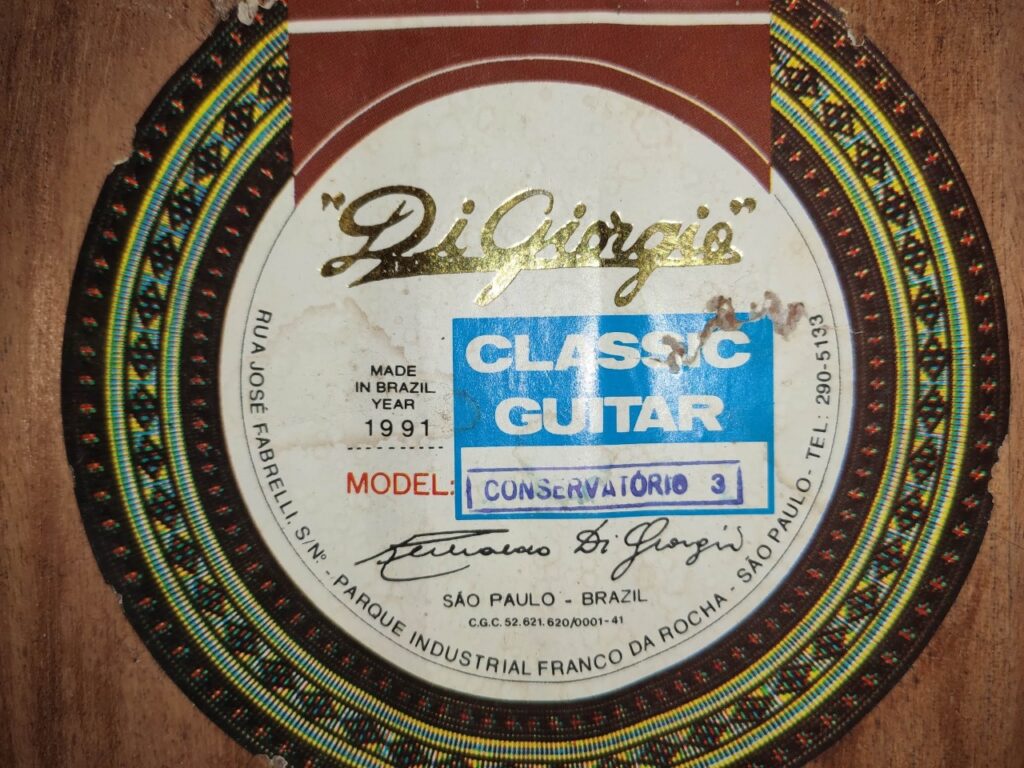
Di Giorgio marked entire generations of Brazilian musicians, who keep memories related to an instrument from the brand. It is the case that Márcio Rocha, 54 years old, musician born in São Roque and based in Araraquara, both municipalities in the interior of São Paulo.

He had a Di Giorgio model guitar Miss model 1977, which he obtained by exchanging it for a leather shoulder bag in 1985. “With this guitar I traveled and played around the south of Minas, when I was studying Biology in Alfenas. He was the one I met Milton Nascimento, Lô Borges, Beto Guedes and many others”, he says.
The guitar ended up being sold at a time of crisis, shortly before Márcio moved to Araraquara. “Unfortunately, I had to sell my beloved companion, but to this day I regret it. I've never found a guitar as good as that one. He was beautiful, his hand was decorated with marquetry and a wonderful sound. She left great memories.”
Such affective memory is due to the efforts of Romeu Di Giorgio, one of many Italian immigrants who won by working on their New Earth.
By Roberto Schiavon/Italianism
Photo credit: Company website/Reproduction