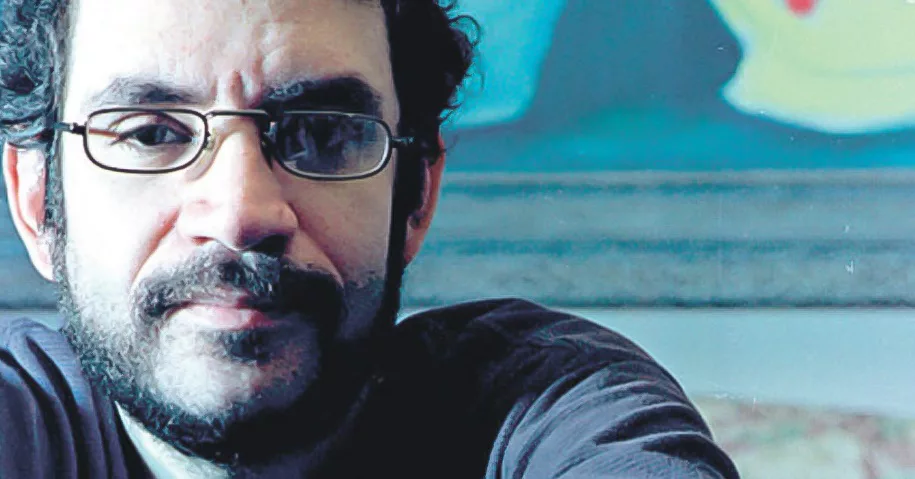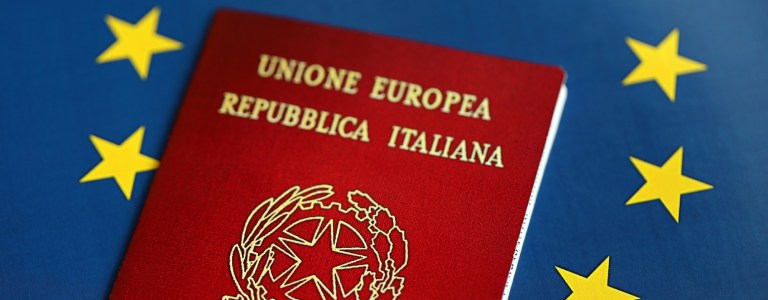







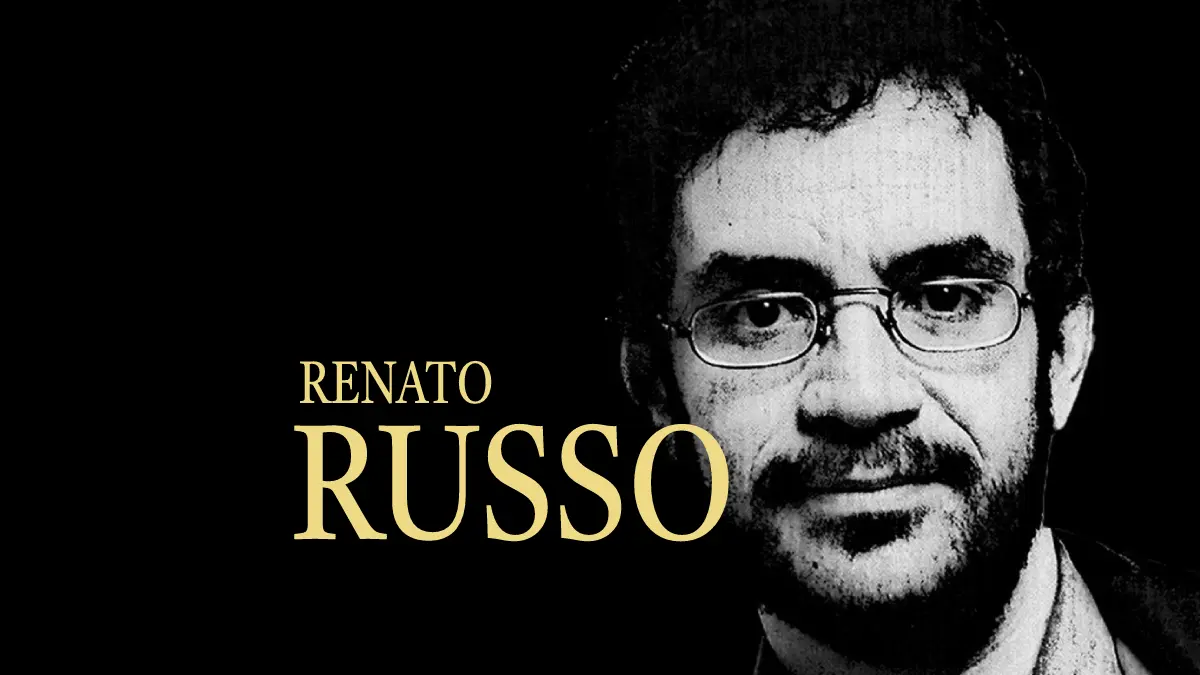
The singer Renato Russo, artistic name of Renato Manfredini Junior, was one of the most important personalities of the brazilian rock. Both his stage name and his real surname are from Italian origin.
He chose the Russian “surname” as the name for his artistic career in honor of figures he admired, such as philosophers Bertrand Russell (English) and Jean-Jacques Rousseau (Swiss) and the French painter Henri Rousseau.
Na Italy, this surname originated from the nickname given to red-haired people, with black hair. reddish color, or even due to the color of the ancestor's skin.
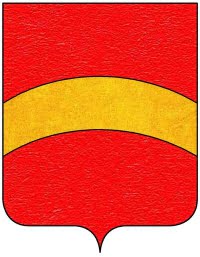
Origin of the Russian surname
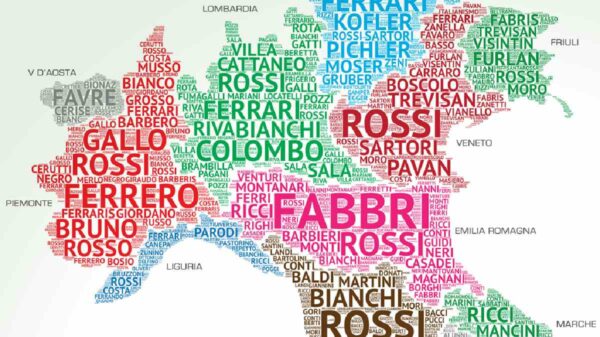
The Russian surname is second most popular in Italy, second only to the family name Rossi. It is found throughout the peninsula, with a greater concentration in the regions of campania, especially in the provinces of Naples and Sicily.
Its variants are the Russian surnames, Russetti, Russian, Russolo, Russotti, Russotto and Russu.
According to the Italian website Cognomix, there are around 50312 Russian families in Italy, mainly in the Campania regions (16.298), Sicilia (9.555) and Puglia (4.956).
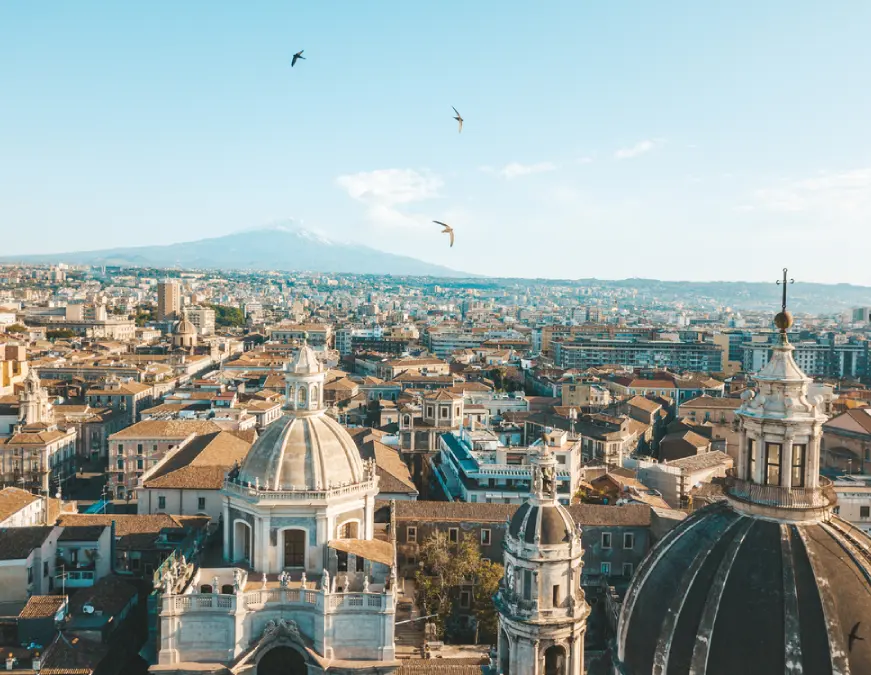
This surname is the most popular in Sicily, in the province of Catania and in the city of Catania.
Origin of the surname Manfredini
The surname Manfredini derives from the Germanic name Manifred, which in the Middle Ages was pronounced Manifredus and in Italian it is pronounced manfred. This name has the meaning of “peace maintained by force”.
The surname Manfredini is typical of the region of Emilia Romagna and Lombardy, but also has lineages in eastern Lombardy.
There are approximately 2599 Manfredi families in Italy, mainly in Emilia-Romagna (1219), Lombardia (683) and Tuscany (250).
The Manfredini surname is the 121st most popular in the Emilia-Romagna region, the 18th in the province of Modena and the third most common in the city of Pievepelago, located in Modena.
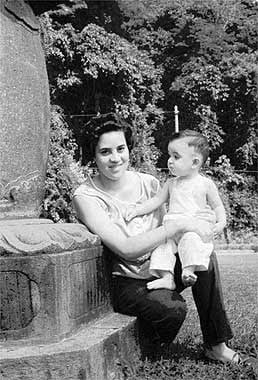
Renato Russo's Italian ancestry
Singer, songwriter and producer Renato Russo became known as the band's lead singer urban Legion, formed in Brasília in the 1980s. Before that, he was part of the group Electric Abortion, which had in its formation Fê Lemos, current drummer of Initial Capital.
Born in Rio de Janeiro in March 27th, 1960, Renato was the son of the economist Renato Manfredini and the English teacher Maria do Carmo de Oliveira, both from Paraná.
The Manfredini were Italian immigrants from the commune of Sesto ed Uniti, in the province of Cremona, who settled in the state of Paraná.
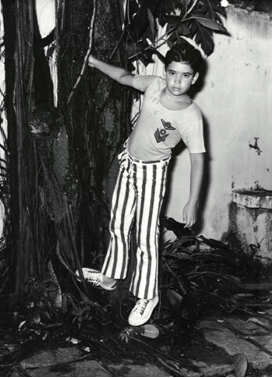
Childhood and youth
Until he was six years old, Renato lived in Rio de Janeiro with his family. He started studying early at Olavo Bilac College, on Governador Island, north of the city. In 1967, she went with her family to New York, as her father, an employee at Banco do Brasil, was transferred to the Forest Hills branch, in the district of Queens.
During this time, Renato was introduced to the American language and culture. In 1969, the family returned to Brazil and Renato went to live with an uncle in Governor's Island, Rio de Janeiro.
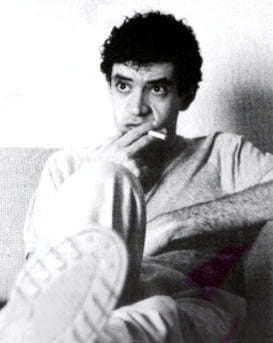
Overcoming in Brasilia
In 1973, the family changed the Rio de Janeiro by Brasilia. Two years later, at the age of fifteen, Renato was diagnosed with epiphysiolysis, a bone disease. He underwent surgery to implant three platinum pins in his pelvis.
He ended up spending six months in bed, barely able to move, and remained in recovery for about a year and a half. During his treatment, Renato dedicated himself almost entirely to listening to music and began his extensive career. record collection of the most varied styles. Shortly afterwards, she passed the entrance exam for journalism at Brasília Unified Education Center (Ceub).
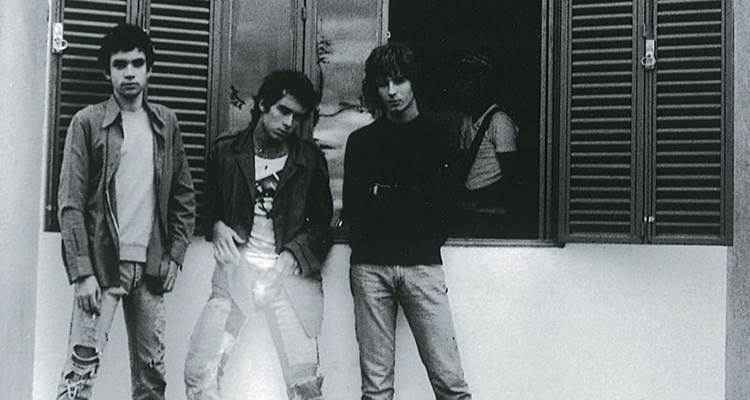
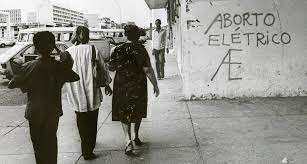
Electric Abortion
Between 1978 and 1981, Renato worked as a teacher of English language and literature at Cultura Inglesa and did some work as a journalist on radio programs. At the same time, he formed the band Aborto Elétrico alongside Fê Lemos and the guitarist Andrew Pretorius, all influenced by the english punk rock and American. In this band, Renato Russo played bass and sang.
The band even had on bass Flávio Lemos, brother of Fê Lemos and current bassist of Capital Inicial, as well as Ico Ouro-Preto, brother of Dinho Ouro-Preto, who would later be the lead singer of Capital. It was at this time that the band composed songs such as Boredom (With a big T for you) e What country is this?, which would later enter the repertoire of Legião Urbana, and Summer Vascaína, which was left with the Initial Capital.
When the band was gaining some fame in the Brasília punk circuit, Fê and Renato fought and the Electric Abortion ended.
Solitary Troubadour and Urban Legion
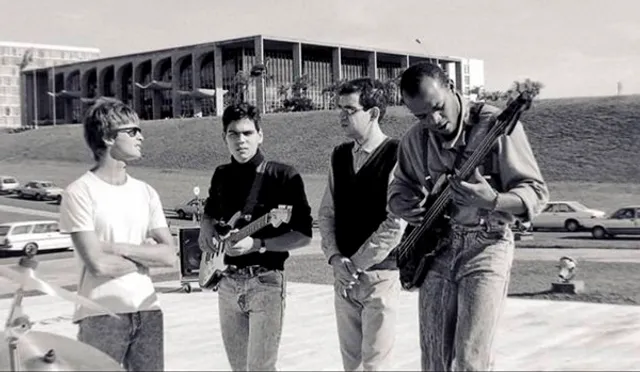
Renato continued for a while as The Lone Troubadour, singing and playing the twelve-string guitar, but later formed a band with Marcelo Bonfa on the battery. In 1982, with Villa-Lobos data on guitar and Renato rocha On bass, this band became Legião Urbana.
Their main influences were the post-punk bands that emerged at the time. Renato Russo looked up to names like Robert Smith, lead singer of The Cure, and Morrissey, vocalist of the band The Smiths.
At the head of Legião, which included bassist Renato Rocha between 1984 and 1989 and later followed with Renato, Dado Villa-Lobos and Marcelo Bonfá, artist Renato Russo lived the peak of his career, creating an even messianic relationship with fans, who identified with his lyrics that spoke of teenage conflicts, always in a challenging tone regarding the hypocrisies of society.
Drugs and bisexuality
In some interviews, Renato spoke openly about his drug addiction, who even got in the way of the band at some shows, according to a report by Villa-Lobos data.
In 1990, Renato publicly assumed his bisexuality, which had been revealed by him to his mother shortly before. Despite the conservative mindset of the time and attempts to explore the subject by the media, the artist always dealt naturally with the theme, which was even addressed in some of the band's lyrics, such as Boys and Girls.
The death of Renato Russo
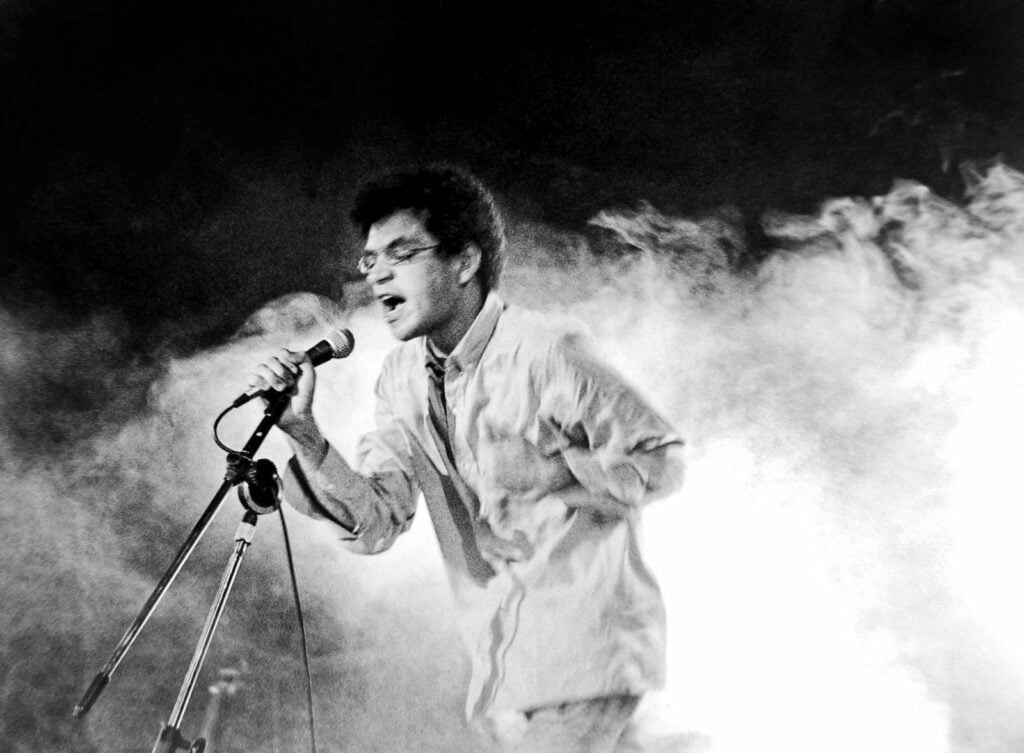
Renato Russo died in October 11th, 1996, aged 36, due to complications caused by HIV, a disease that he never publicly acknowledged. He would have contracted the virus after getting involved with an HIV-positive boy he met in New YorkIn 1989.
As a legacy, Renato left eight studio albums by Legião Urbana, as well as five live albums and some released posthumously. She also recorded three solo albums and sang alongside artists such as Herbert Viana, Adriana Calcanhotto, Cássia Eller and Erasmus Carlos.
In October 2008, the magazine Rolling Stone Brazil promoted the List of One Hundred Greatest Artists of Brazilian Music and Renato Russo got the 25st place.
He left a son, the cultural producer Giuliano Manfredini, who at the time of his death was 7 years old. She also left behind a sister, the singer, actress and English teacher Carmen Teresa Manfredini.
The band sold around 20 million records during Renato's lifetime. And it remains one of the most popular groups of all time in Brazil.
songs like Will, Fathers and Children, I Know, Lost time and Indians, among many others, continue to impact several generations of fans of Brazilian rock since the 1980s.
Renato Russo at the cinema
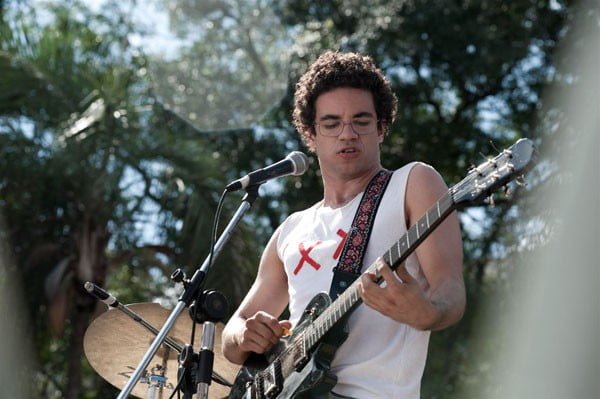
In 2013 the film was released We are so young, with direction from Antonio Carlos da FontouraThe film portrays Renato Russo's adolescence and the beginning of his interest in music, including the first two years of Legião Urbana. The role of Renato Russo was played by the actor... Thiago Mendonca.
In the same year, the film Western Caboclo, adaptation of the song of the same name by Renato, directed by René Sampaio. The cast features names such as Fabrício Boliveira (João de Santo-Cristo) and Isis Valverde (Maria Lúcia).
In January 2022 the film was released Eduardo and Monica, also inspired by a song by Legião Urbana. The cast features Gabriel Leone (Eduardo) and Alice Braga (Mônica) and the direction also went to René Sampaio.